
Contents
- 1 Introduction & Spiritual Essence
- 2 Historical Origins & Scriptural Legend
- 3 Architectural Marvels
- 4 Darshan & Ritual Logistics
- 5 Practical Visitor Guidance
- 6 Pilgrimage Connectivity
- 6.1 How to Reach
- 6.2 Nearby Sacred Sites (Pilgrimage Circuit)
- 6.3 Frequently Asked Questions (FAQ)
- 6.3.1 1. Is there a VIP Darshan entry at Kedareshwar Temple?
- 6.3.2 2. Can I perform the Shraaddh ritual at Kedar Ghat?
- 6.3.3 3. What is the significance of the “Kedar Khand” mentioned in scriptures?
- 6.3.4 4. Are there accommodation facilities near the temple?
- 6.3.5 5. What are the offerings (Prasad) usually made here?
- 7 Photo Gallery
- 8 Historical Records & Details
Introduction & Spiritual Essence
The Kedareshwar Temple in Varanasi stands as a monumental testament to ancient devotion and the eternal allure of Lord Shiva. Located on the serene banks of the holy Ganges at Kedar Ghat, this temple is one of the most significant shrines in the spiritual geography of Kashi. For devotees, this is not merely a place of worship but a sacred Kshetra (region) believed to grant immediate liberation (Mukti).
Primary Deity and Form
The presiding deity is Kedareshwar, a form of Lord Shiva. The Shivling installed here is believed to be a Swayambhu (self-manifested) manifestation. It is a Parthiv Shivling, representing the earth element, and is situated in a stone sanctum that exudes a palpable aura of spiritual energy. The temple is revered as the earthly abode of the Kedareshwar Jyotirlinga located in the Himalayas.
Phalaśruti: The Boon of Darshan
According to the Kashi Khand of the Skanda Purana, the spiritual potency of this temple is unparalleled. It is believed that:
- Sevenfold Merit: Performing Pooja at Kedareshwar in Kashi yields seven times greater punya (merit) than performing the same ritual at the Kedareshwar shrine in the Himalayas.
- Ancestral Cleansing: Devotees observe a strict Vrath (fast) on the Shukla Paksha Chaturdasi (14th day of the bright fortnight) during the Chaitra month (March–April), breaking the fast on Poornima after darshan. This ritual is known to cleanse ancestral karma and grant peace to departed souls.
- Immediate Liberation: Kashi is divided into three Khands—Omkar, Vishweshwar, and Kedar. It is believed that those who die within the Kedar Khand (the jurisdiction of this temple) attain Moksha (liberation) immediately, without undergoing the intermediate pains of the afterlife.
Historical Origins & Scriptural Legend
The history of Kedareshwar Temple is deeply woven into the mythological fabric of Varanasi. While the exact date of construction remains undocumented in available records, the temple’s foundations are traced back to ancient times, likely rebuilt and renovated over centuries by local kings and devotees respecting the traditional Dravidian style.
The Legend of Brahmin Vashisht
According to the Kashi Khand (Chapter 77), a young Brahmin boy named Vashisht resided in Ujjain. He and his Guru were ardent devotees who traveled frequently to the Himalayas to offer prayers at the Kedareshwar Jyotirling. Tragically, his Guru passed away during one of these journeys but attained a place at Mount Kailash due to his piety.
Left alone, Vashisht settled in Kashi, maintaining his devotion. As he aged and could no longer make the arduous journey to the Himalayas, he prayed intensely to Lord Shiva, requesting that the Lord manifest in Kashi himself. Moved by his Bhakti, Lord Shiva appeared as the Kedareshwar Ling in Kashi, decreeing that worship here would be more potent than even the Himalayan original.
Connection to Jyotirlingas
Kedareshwar Varanasi is one of the twelve Shiv Lingas in Kashi that represent the twelve famous Jyotirlingas of India. Specifically, this shrine represents the Kedareshwar Jyotirling located in Uttarakhand.
Architectural Marvels
The Kedareshwar Temple showcases a distinct Dravidian architectural style, a rarity in the typically North Indian Nagara-style dominated Varanasi. This influence highlights the historical movement of sadhus and the cultural synthesis between South India and Kashi.
Vastu and Layout
- The Shikhara: The temple features a tiered Shikhara (spire) typical of Dravidian temple architecture, adorned with intricate carvings and capped by a Kalash.
- The Sanctum Sanctorum: The inner shrine (Garbhagriha) is dark and atmospheric, housing the Parthiv Shivling. The Lingam is worshipped in a pit-like structure, often covered with a silver mask or flowers, emphasizing its ancient, earthen origins.
- The Mandapa: A spacious Mandapa (hall) allows devotees to gather for prayers and Aarti. The pillars of the mandapa bear subtle carvings, reflecting South Indian artistic sensibilities.
While not officially tagged as an ASI protected monument, the temple maintains its structural integrity through the patronage of the Kumaraswamy Mutt of Tamil Nadu, who have been the traditional caretakers (Pujaris) for centuries.
Darshan & Ritual Logistics
The temple follows a rigorous schedule of worship, adhering to the ancient Agama traditions. The atmosphere shifts from the meditative stillness of early morning to the vibrant energy of evening Aartis.
Daily Timings
Timings may vary slightly during extreme weather or specific festivals.
| Session | Timing | Event |
|---|---|---|
| Morning | 03:00 AM – 11:00 PM | Temple Open (Continuous Darshan) |
| Early Morning | 03:15 AM | Mangala Aarti |
| Mid-Morning | 10:00 AM | Second Aarti |
| Evening | 05:30 PM | Third Aarti |
| Night | 10:30 PM | Shayan Aarti (Closing Ritual) |
Key Sevas and Rituals
Devotees can participate in several powerful rituals:
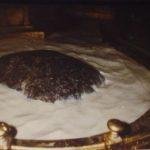
- Anna Abhishek: Performed annually, the Shivling is bathed in cooked rice, symbolizing the offering of sustenance and gratitude.
- Monday Pooja: Taking a dip in the Ganges at Kedar Ghat followed by a Pooja at the temple on Mondays is considered highly auspicious.
- Shravan Month Special: The last Monday of the Shravan month (July–August) sees a massive influx of devotees. The temple is adorned with flowers, and special Abhishek is performed.
- Shraaddh at Kedar Ghat: Performing Shraaddh (ancestral rites) on an Amavasya (new moon) that falls on a Tuesday at Kedar Ghat is believed to liberate ancestors.
2026 Festival Dates & Online Booking
Assuming the current year is 2026, here are the key dates for planning:
- Maha Shivaratri: February 26, 2026 (Major celebrations, night-long Aarti).
- Chaitra Poornima: April 12, 2026 (The specific date for the Vrath mentioned in Kashi Khand).
- Shravan Somvar: Mondays falling between July 14, 2026, and August 11, 2026.
Booking Seva: While traditional walk-ins are common, many temples in Varanasi are adopting digital systems. It is advisable to contact the temple office via phone (details below) or visit the Kashi Vishwanath Temple official portal which manages circuit routes for major Shiva shrines in Varanasi.
Practical Visitor Guidance
Visiting Kedareshwar Temple requires preparation, as the approach involves steps and narrow ghat lanes.
Dress Code and Etiquette
- Attire: Modest, traditional clothing is recommended. Men should wear Dhoti or Kurta-Pajama; women should wear Saree or Salwar Kameez.
- Photography: Photography is generally restricted inside the sanctum. It is permitted in the Mandapa but strictly prohibited during Aarti.
- Mobiles: Phones should be kept silent. Lockers are not available at this specific shrine, so travel light.
Crowd Management & Seasonal Advice
- Best Time to Visit: Early morning (4:00 AM – 6:00 AM) offers the most peaceful darshan. Evenings before the Shayan Aarti are also serene.
- Summer (May–June): Varanasi can be extremely hot. Carry a water bottle and an umbrella. The stone steps of Kedar Ghat reflect heat intensely.
- Monsoon (July–September): The Ganges swells, and the ghats can be slippery. Exercise caution while climbing the steps.
- Winter (November–February): The most pleasant time to visit, with cool mornings ideal for a dip in the Ganges before darshan.
Pilgrimage Connectivity
How to Reach
The temple is centrally located in Varanasi but requires navigating the old city’s narrow lanes.
- Address: B-6/102, Kedar Ghat, Mansarovar Ghat, Varanasi, Uttar Pradesh 221001.
- By Road: The nearest approachable point by vehicle is Sonarpura (approx. 1 km away). From there, you must walk or take a cycle rickshaw through the heritage lanes to Kedar Ghat.
- By Boat: The most scenic route. Hire a boat from Dasaswamedh Ghat or Scindia Ghat and ask to be dropped at Kedar Ghat. From the river steps, the temple is a short walk upwards.
- By Air: Lal Bahadur Shastri International Airport (VNS) is approximately 25 km away. Taxis are available directly to the ghats.
- By Rail: Varanasi Junction (BSB) is the main railway station, roughly 5-6 km from Kedar Ghat. Autos and e-rickshaws can take you to the nearest drop-off point.
Nearby Sacred Sites (Pilgrimage Circuit)
Integrate your visit to Kedareshwar with these nearby shrines to complete a divine circuit:
- Manikarnika Ghat: The primary cremation ground of Varanasi, located just south of Kedar Ghat. It is a profound place to witness the cycle of life and death.
- Tulsi Manas Temple: A short boat ride or walk away, this temple is where saint Tulsidas wrote the Ramcharitmanas. It features beautiful marble carvings of the epic.
- Durga Temple (Durga Kund): Known as the Monkey Temple, it is a vibrant red structure built in the Nagara style, dedicated to Goddess Durga.
Frequently Asked Questions (FAQ)
1. Is there a VIP Darshan entry at Kedareshwar Temple?
Unlike the massive Kashi Vishwanath Corridor, Kedareshwar Temple operates on a more traditional, community-based access. There is no formal VIP entry system. However, visiting during non-peak hours (early morning or late night) provides a swift and intimate darshan experience.
2. Can I perform the Shraaddh ritual at Kedar Ghat?
Yes, Kedar Ghat is one of the most auspicious locations in Varanasi for performing Shraaddh and Pinda Daan. It is highly recommended to hire a reputable Pandit (priest) who specializes in Kashi Khand rituals for this specific ceremony.
3. What is the significance of the “Kedar Khand” mentioned in scriptures?
The Kedar Khand is one of the three divisions of ancient Kashi. Dying within this geographical area—stretching from Kedareshwar Temple to the surrounding ghats—is believed to grant instant liberation (Moksha) to the soul, bypassing the cycle of rebirth.
4. Are there accommodation facilities near the temple?
Accommodation is not available directly at the temple. However, the area of Godaulia and Assi Ghat (a short walk north) are lined with Dharamshalas, guest houses, and budget hotels suitable for pilgrims.
5. What are the offerings (Prasad) usually made here?
The primary offering is Water (Jal), Milk, and Bilva Patra (Bael leaves). On special occasions like Mondays, devotees offer Chandana (sandalwood paste) and Raw Rice. The annual Anna Abhishek (rice offering) is unique to this temple.
Photo Gallery
Historical Records & Details
| Date built: | – |
|---|---|
| Deity: | Kedareshwar |
| Architectural style: | Dravidian architecture |
| Major festivals | Mahashivratri |
| Locale: | Varanasi |
| District:: | Varanasi |
| Address: | Kedar ghat, Mansarovar Ghat, Varanasi, Uttar Pradesh 221001 |
| Phone | – |
Recent Posts

Shri Kaamkoteeshwar Mandir, Varanasi – History & Significance
In the heart of Kashi, the eternal city of Lord Shiva, where the Ganges flows with celestial grace, stands the Shri Kaamkoteeshwar Mandir. This sacred Sannidhi is not merely a temple but a profound spiritual bridge between the Northern…

ओ सांवरे तूने ही मुझको संभाला – Lyrics & Meaning
ओ सांवरे तूने ही मुझको संभाला – A Prayer to Shyam Origin & Spiritual Essence Why This Bhajan Resonates Devotees chant this when overwhelmed by life’s storms—the refrain ‘तूने ही मुझको संभाला’ is the soul’s sigh of relief: “You…

कथा ये है महाराज मेरे की – Lyrics & Meaning
कथा ये है महाराज मेरे की छत्रपति संभाजी महाराज – A Prayer to Chhatrapati Sambhaji Maharaj Origin & Spiritual Essence Why This Bhajan Resonates Devotees chant this when their spirit feels tested—its powerful refrain “महाराज मेरे” is a soul’s…

Rigveda Samhita Yathartha Anuvada (ऋग्वेद संहिता यथार्थ अनुवाद) – Complete Set with Anvayartha & Hindi/English Translation
The Rigveda is the oldest surviving scripture of humanity and the foundational text of Sanātana Dharma. For serious students, scholars, UPSC aspirants studying ancient Indian history, Sanskrit learners, and spiritual seekers, a precise and grammatically structured translation is indispensable.…

आना भी अकेला है जाना भी अकेला है – Lyrics & Meaning | BharatTemples
आना भी अकेला है जाना भी अकेला है – A Prayer to the Divine Witness Origin & Spiritual Essence Why This Bhajan Resonates Devotees turn to this bhajan in moments of deep reflection—when life’s attachments begin to ache. The…

माता शेरावाली के द्वार जो भी जाता है – Lyrics & Meaning
माता शेरावाली के द्वार जो भी जाता है – A Prayer to Maa Sherawali Origin & Spiritual Essence Why This Bhajan Resonates Devotees turn to this bhajan in times of fear or uncertainty—its promise that no one leaves Maa’s…

मार लेना सपणी उबार लेणा भवरा – Lyrics & Meaning
मार लेना सपणी उबार लेणा भवरा – A Prayer to the Divine Beloved Origin & Spiritual Essence Why This Bhajan Resonates Devotees chant this in moments of deep vulnerability—its cry of “मार लेना सपणी, उबार लेणा भवरा” is the…

हमें श्याम सुंदर भरोसा तुम्हारा – Lyrics & Meaning
हमें श्याम सुंदर भरोसा तुम्हारा – A Prayer to Shyam Sundar Origin & Spiritual Essence Why This Bhajan Resonates Devotees chant this when feeling alone—its refrain ‘de do sahara’ is the soul’s cry for divine support. Lyrics in Hindi…

Mere Satguru Ne Di Thi Davai Lyrics in Hindi & Meaning
Mere Satguru Ne Di Thi Davai: Invoking the Guru’s Liberating Wisdom This soul-stirring bhajan venerates the Satguru (True Spiritual Master) as the divine physician who dispenses the only remedy for life’s deepest sufferings. Composed by Sant Karmaveer Tufani, it…

Janm Diyo Thari Maa Dukh Dekhiyo Lyrics in Hindi & Meaning
जन्म दियो थारी माँ दुख देखियो (Maa’s Grief Upon Birthing You) This soul-stirring Chetavani Bhajan (admonitory hymn) is addressed to the Divine Mother (Maa) – a call for repentance when children forget their filial duties in the dark age…