
Contents
Introduction & Spiritual Essence
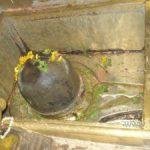
In the spiritual labyrinth of Kashi (Varanasi), where ancient legends breathe through stone and water, the Gabhasteeshwar Temple stands as a testament to the cosmic power of devotion. Dedicated to Lord Shiva, this ancient shrine is home to the Gabhasteeshwar Lingam—Swayambhu (self-manifested) and eternally radiant.
According to the sacred Kashi Khand of the Skanda Purana, the deity is known as Gabhasteeshwar, signifying the “Lord of the Sun” or “Lord of the Thread.” The spiritual essence of this temple is deeply intertwined with the Panchganga Ghat, where the convergence of five sacred rivers is believed to occur in the celestial realm.
Phalaśruti: The Spiritual Benefit
Devotees flock to this shrine seeking liberation from the cycle of birth and death. The scriptural promise is profound: a ritual bath in the adjacent Panchanada Teerth followed by worship of the Gabhasteeshwar Lingam washes away accumulated sins and ensures Moksha (liberation). It is particularly potent for cleansing ancestral karma and resolving planetary afflictions, especially those related to the Sun (Surya).
Historical Origins & Scriptural Legend
The history of Gabhasteeshwar is not merely chronological; it is mythological, rooted in the cosmic interactions between the Devas, Asuras, and the Supreme Shiva.
The Legend of the Intense Sun (Kashi Khand, Chapter 49)
According to temple records and oral tradition, this site was once the abode of intense spiritual energy. The legend narrates how Lord Surya (The Sun God) installed a Shiva Lingam and a Devi idol at Panchanada Teerth (Panchganga Ghat).
“The intensity of Lord Surya’s prayers began to reflect in the extreme heat generated. Sunrays became unbearably warm, bringing all physical activities to a standstill.”
To alleviate this cosmic imbalance, Lord Shiva and Goddess Parvati appeared before Surya. Grateful for the devotion, Lord Shiva named the Lingam “Gabhasteeshwar” and established a divine boon: those who bathe in the Panchanada Teerth and worship here will be freed from all sins.
Timeline and Renovation
While the exact date of construction is lost in antiquity, the architecture suggests origins in the early medieval period, likely between the 10th and 12th centuries. The temple has undergone several renovations under the patronage of various Mahants and royal devotees, preserving the sanctity of the original Garbhagriha (sanctum sanctorum).
Architectural Marvels
Unlike the towering spires typical of the North Indian Nagara style, the Gabhasteeshwar Temple exhibits distinct Dravidian architectural influences. This is a rare and fascinating anomaly in the heart of Varanasi, suggesting a historical confluence of temple-building traditions from South India.
Vastu Shastra & Layout
The temple is situated at K-24/34, near the Mangala Gauri Temple, adhering to the Vastu principle of being oriented to face the East, welcoming the first rays of the Sun. The structure features:
- The Shikhara (Tower): Stepped pyramidal in nature, though subdued in height compared to modern temples, focusing instead on the sanctity of the inner sanctum.
- The Mandapa: A pillared hall that allows devotees to sit and meditate, adorned with carvings that depict scenes from the Puranas.
- The Garbhagriha: The inner chamber houses the Swayambhu Lingam, which is naturally formed and not sculpted by human hands.
The exterior walls are adorned with intricate stone carvings of Ganas (attendants of Shiva) and floral motifs, showcasing the craftsmanship of the era. The proximity to the riverbank influences the temple’s humidity and the weathering of the stones, adding a layer of ancient texture to the structure.
Darshan & Ritual Logistics
Performing Seva (service) at Gabhasteeshwar Temple is a highly personal spiritual experience. The atmosphere is generally less crowded than the main Kashi Vishwanath Temple, allowing for peaceful contemplation.
Daily Timings
Darshan timings are subject to seasonal changes and festival schedules. The following table outlines the standard schedule for 2026.
| Session | Timings | Notes |
|---|---|---|
| Morning Darshan | 05:00 AM – 12:00 PM | Best time: 5:30 AM (Mangala Aarti) |
| Evening Darshan | 04:00 PM – 09:00 PM | Best time: 6:30 PM (Sandhya Aarti) |
| Midday Closure | 12:00 PM – 4:00 PM | For ritual cleansing and rest |
Key Sevas and Online Booking
Devotees can book specific rituals in advance. While the temple is part of the Kashi Vishwanath Corridor network, some smaller shrines require direct booking.
- Abhishekam: Ritual bathing of the Lingam with water, milk, honey, and bael leaves. (Timing: 6:00 AM)
- Rudrabhishek: A powerful Vedic ritual for peace and prosperity. (Timing: 8:00 AM)
- Archana: Individual name chanting with offerings.
Booking: Devotees are advised to use the official Kashi Vishwanath Temple (KVT) App or the Varanasi Municipal Corporation portal for online registrations. On-site booking is available at the temple office near the Mangala Gauri complex.
2026 Festival Schedule Highlights
Major festivals are celebrated with great fervor. Note these dates for 2026:
- Maha Shivaratri: February 26, 2026 (The most significant event here).
- Kartik Purnima: November 15, 2026 (Associated with Deep Daan at nearby ghats).
- Monsoon Mondays (Sawan): July 14 to August 22, 2026.
Practical Visitor Guidance
Dress Code and Etiquette
As with all temples in Varanasi, modesty is mandatory. Traditional Indian attire (dhoti for men, sari/salwar kameez for women) is preferred. Western clothing should be covered with a shawl or stole.
Photography and Mobile Phones
- Inside Sanctum: Strictly prohibited.
- Outdoor Areas: Allowed, but avoid pointing cameras at other devotees.
- Mobile Lockers: Available near the entrance of the Panchganga Ghat steps. There is a nominal fee (approx. ₹20) for electronic storage.
Crowd Management and Seasonal Advice
The temple is located on a ghat, meaning you must descend stone steps.
- Best Hours: 5:00 AM – 7:00 AM (coolest and most serene).
- Avoid: 8:00 AM – 10:00 AM (crowded with tourists and boatmen).
- May/June: Carry water bottles and wear non-slip shoes; the stone steps can become extremely hot.
- Accessibility: Warning: The temple is not wheelchair accessible due to the steep descent to Panchganga Ghat. Elderly visitors should consider the accessible route via Mangala Gauri Temple (approached by road).
Pilgrimage Connectivity
How to Reach Gabhasteeshwar Temple
The temple is located in the K-24/34 area, near Mangala Gauri Temple in Varanasi.
By Air:
The nearest airport is Lal Bahadur Shastri International Airport (VNS), approximately 30 km away. Taxis and pre-paid cabs are available.
By Train:
Varanasi Junction (BSB) and Manduadih Railway Station (MUV) are the closest railheads. From the station, take an auto-rickshaw to Mangala Gauri Temple (approx. 30-40 minutes).
By Road:
The temple is accessible via NH-19 and Varanasi Ring Road. To reach the entrance:
- Head towards Bhaironath via auto or cycle rickshaw.
- Ask to be dropped at Mangala Gauri Temple (a prominent landmark).
- Walk down the steps toward Panchganga Ghat; the Gabhasteeshwar temple is located midway through the cluster of shrines.
Nearby Sacred Sites (Pilgrimage Circuit)
Extend your spiritual journey by visiting these nearby Tirthas:
- Mangala Gauri Temple: Located immediately adjacent, this shrine is dedicated to Goddess Gauri (Parvati) and is one of the 18 Maha Shakti Peethas in Varanasi.
- Panchganga Ghat: Just below the temple, believed to be the meeting point of five rivers: Ganga, Yamuna, Saraswati, Kiran, and Alaknanda.
- Durga Temple (Monkey Temple): Located in the Durga Kund area, about 2 km away, featuring vibrant red architecture.
Frequently Asked Questions (FAQ)
1. Is there a VIP darshan entry at Gabhasteeshwar Temple?
While the temple does not have a separate VIP entrance like large commercial shrines, devotees who book Rudrabhishek online generally get priority entry through the side gate during the scheduled time of the ritual.
2. What is the significance of the name “Gabhasteeshwar”?
The name is derived from Sanskrit roots. “Gabha” is related to the Sun (or sometimes interpreted as a thread/weave), and “Ishwar” means Lord. It signifies the Lord who controls or blesses the Sun God. It relates directly to the legend where Lord Surya worshipped Shiva here.
3. Can I perform the Abhishekam myself?
Generally, for this specific shrine, the temple priests perform the Abhishekam on behalf of the devotee. However, you may be allowed to pour the final pot of sanctified water (Gangajal) after the priest has completed the main rituals. Always seek permission from the head priest.
4. Is the temple open during the monsoon?
Yes, the temple remains open, but during heavy rains (July-August), the steps leading down to Panchganga Ghat can be slippery. Exercise extreme caution and wear rubber-soled footwear.
5. Where can I stay nearby?
There are several Dharamshalas and hotels near Assi Ghat and Lanka (approx. 2-3 km away). Staying near Mangala Gauri Temple is also an option for closer access.
Photo Gallery
Contact Details
Office: Shri Kashi Vishwanath Temple Trust / Local Priest Committee
Address: K-24/34, Panchganga Ghat, Varanasi, Uttar Pradesh 221001
Helpline: 1800-XXX-XXXX (Kashi Tourism Helpline)
Recent Posts

Shri Kaamkoteeshwar Mandir, Varanasi – History & Significance
In the heart of Kashi, the eternal city of Lord Shiva, where the Ganges flows with celestial grace, stands the Shri Kaamkoteeshwar Mandir. This sacred Sannidhi is not merely a temple but a profound spiritual bridge between the Northern…

ओ सांवरे तूने ही मुझको संभाला – Lyrics & Meaning
ओ सांवरे तूने ही मुझको संभाला – A Prayer to Shyam Origin & Spiritual Essence Why This Bhajan Resonates Devotees chant this when overwhelmed by life’s storms—the refrain ‘तूने ही मुझको संभाला’ is the soul’s sigh of relief: “You…

कथा ये है महाराज मेरे की – Lyrics & Meaning
कथा ये है महाराज मेरे की छत्रपति संभाजी महाराज – A Prayer to Chhatrapati Sambhaji Maharaj Origin & Spiritual Essence Why This Bhajan Resonates Devotees chant this when their spirit feels tested—its powerful refrain “महाराज मेरे” is a soul’s…

Rigveda Samhita Yathartha Anuvada (ऋग्वेद संहिता यथार्थ अनुवाद) – Complete Set with Anvayartha & Hindi/English Translation
The Rigveda is the oldest surviving scripture of humanity and the foundational text of Sanātana Dharma. For serious students, scholars, UPSC aspirants studying ancient Indian history, Sanskrit learners, and spiritual seekers, a precise and grammatically structured translation is indispensable.…

आना भी अकेला है जाना भी अकेला है – Lyrics & Meaning | BharatTemples
आना भी अकेला है जाना भी अकेला है – A Prayer to the Divine Witness Origin & Spiritual Essence Why This Bhajan Resonates Devotees turn to this bhajan in moments of deep reflection—when life’s attachments begin to ache. The…

माता शेरावाली के द्वार जो भी जाता है – Lyrics & Meaning
माता शेरावाली के द्वार जो भी जाता है – A Prayer to Maa Sherawali Origin & Spiritual Essence Why This Bhajan Resonates Devotees turn to this bhajan in times of fear or uncertainty—its promise that no one leaves Maa’s…

मार लेना सपणी उबार लेणा भवरा – Lyrics & Meaning
मार लेना सपणी उबार लेणा भवरा – A Prayer to the Divine Beloved Origin & Spiritual Essence Why This Bhajan Resonates Devotees chant this in moments of deep vulnerability—its cry of “मार लेना सपणी, उबार लेणा भवरा” is the…

हमें श्याम सुंदर भरोसा तुम्हारा – Lyrics & Meaning
हमें श्याम सुंदर भरोसा तुम्हारा – A Prayer to Shyam Sundar Origin & Spiritual Essence Why This Bhajan Resonates Devotees chant this when feeling alone—its refrain ‘de do sahara’ is the soul’s cry for divine support. Lyrics in Hindi…

Mere Satguru Ne Di Thi Davai Lyrics in Hindi & Meaning
Mere Satguru Ne Di Thi Davai: Invoking the Guru’s Liberating Wisdom This soul-stirring bhajan venerates the Satguru (True Spiritual Master) as the divine physician who dispenses the only remedy for life’s deepest sufferings. Composed by Sant Karmaveer Tufani, it…

Janm Diyo Thari Maa Dukh Dekhiyo Lyrics in Hindi & Meaning
जन्म दियो थारी माँ दुख देखियो (Maa’s Grief Upon Birthing You) This soul-stirring Chetavani Bhajan (admonitory hymn) is addressed to the Divine Mother (Maa) – a call for repentance when children forget their filial duties in the dark age…