
Contents
- 1 Avimukteshwar Temple Varanasi: The Definitive Pilgrimage Guide
- 1.1 1. Introduction & Spiritual Essence
- 1.2 2. Historical Origins & Scriptural Legend
- 1.3 3. Architectural Marvels
- 1.4 4. Darshan & Ritual Logistics
- 1.5 5. Practical Visitor Guidance
- 1.6 6. Pilgrimage Connectivity
- 1.7 7. Frequently Asked Questions (FAQ)
- 1.8 Photo Gallery
- 1.9 How to Reach:
- 1.10 Contact Details
Avimukteshwar Temple Varanasi: The Definitive Pilgrimage Guide
| Date built: | {DATE} |
|---|---|
| Deity: | Avimukteshwar |
| Architectural style: | Dravidian architecture |
| Major festivals | – |
| Locale: | Varanasi |
| District:: | Varanasi |
| Address: | – |
| Phone | – |
Varanasi or Kashi is known as Avi Mukta Kshetra and a person who dies here attains Moksha and has no rebirth. There has been a lot of discussions and doubts raised in various places whether Avimukteshwar temple is the main temple or the Vishwanath Temple. In ancient texts and granths Avimukteshwar temple has been given importance.
It is stated in ancient texts that a person having the darshan of Avimuktheshwar Ling is relieved of all his Paap Karmas of several generations and has no rebirth. It is also believed that Bhagvan Vishwanath performs pooja of Avimukteshwar every day. Avimuktheshwar ling finds mention in Ling Puran, Kashi Khand, as also in Brahma Vaivart Puran.
According to historical evidences, there was a magnificent temple of Avimukteshwar Ling and in this premises Vishweshwar Ling was also present. Devotees had darshan of both lingas in the same premises. But there was a bout of destructions during Mughal period and the Avimukthshwar Ling may not be in the same place as envisaged in Kashi Khand.
1. Introduction & Spiritual Essence
At the heart of Kashi (Varanasi) lies a spiritual paradox that has intrigued pilgrims for millennia. While the Kashi Vishwanath Temple draws millions, the Avimukteshwar Temple is historically and scripturally revered as the true spiritual anchor of the city. The name Avimukta translates to “one who never abandons,” while Ishwar refers to the Supreme Lord Shiva. This temple is dedicated to Avimukteshwar Ling, a Swayambhu (self-manifested) deity.
Phalaśruti: The Fruits of Darshan
Why do devotees specifically seek the Avimukteshwar darshan? The spiritual potency of this site is unparalleled in Sanatana Dharma.
- Moksha (Liberation): Kashi is the only place where souls are believed to attain immediate liberation (Moksha) upon death. The Avimukteshwar Ling is the guardian of this promise.
- Cleansing Ancestral Karma: Scriptures claim that a single darshan of this Ling washes away the Paap Karma (sins) of seven generations of ancestors.
- Destruction of Rebirth: Devotees believe that viewing the Avimukteshwar Ling ensures freedom from the cycle of birth and death.
2. Historical Origins & Scriptural Legend
The history of the Avimukteshwar Temple is deeply interwoven with the mythology of Kashi. Unlike many temples built by dynasties, this site is described as eternal.
The existence and significance of the Avimukteshwar Ling are not merely oral traditions but are codified in major Puranas:
- The Ling Puran: Explicitly describes the glory of the Avimukta Kshetra.
- Kashi Khand (Skanda Purana): This text details the geography of Kashi and states that Lord Vishwanath (the Vishwanath Temple deity) acts as the Pujaka (priest) for Avimukteshwar.
- Brahma Vaivart Puran: Reinforces the concept that the Avimukteshwar Ling is the primal Shiva of Kashi.
- Abhishekam: Ritual bathing of the Lingam with milk, honey, and water.
- Archana: Recitation of names (Naamavali).
- Booking Portal: All bookings are handled via the official Shri Kashi Vishwanath Temple website (kashiviswanath.org).
- Maha Shivaratri: February 26, 2026 (Special night-long darshan).
- Shravan Month: July 14 – August 11, 2026 (Peak pilgrimage season).
- Kartik Purnima: November 15, 2026 (Deepotsav).
- Mobile phones and cameras are prohibited inside the sanctum.
- Free locker facilities are available at designated security checkpoints before entering the Corridor.
- Nearest Airport: Lal Bahadur Shastri International Airport (LBS) (25 km).
- Nearest Railway Station: Varanasi Junction (3 km) or Kashi Vishwanath Mandir Station (0.5 km).
- By Road: The temple is located in Chowk, Varanasi. It is accessible via NH 19 and the inner city roads. Access to the temple is restricted to pedestrians and vehicles with special permits; auto-rickshaws drop pilgrims at the designated entry gates (Godaumia Gate or Rajendra Prasad Gate).
- Kashi Vishwanath Temple: Located immediately adjacent to the Avimukteshwar shrine.
- Annapurna Mata Temple: Just a short walk away, the goddess of nourishment.
- Sankat Mochan Hanuman Temple: Located 2 km away, known for relieving devotees of troubles.
Historical Evidence
According to historical records and temple inscriptions, the Avimukteshwar Ling was originally housed in a magnificent structure alongside the Vishweshwar Ling (the original form of Vishwanath). However, the temple faced significant destruction during the Mughal period in the 12th and 17th centuries. Despite these invasions, the Avimukteshwar Ling survived and remained accessible, though the exact architectural location shifted over time. Today, it is situated within the complex of the Kashi Vishwanath Temple (New Temple).
3. Architectural Marvels
The current architectural layout of the Avimukteshwar shrine is a testament to resilience and Dravidian influence.
Dravidian Style
As noted in the temple records, the architectural style aligns with the Dravidian school of temple architecture. This is characterized by the vertical elevation of the Shikhara (tower) and intricate sculptural work on the Mandapas (pillared halls). The sanctum (Garbhagriha) is designed to focus all energy toward the Swayambhu Lingam.
Notable Sculptures
The temple premises feature exquisite carvings depicting various forms of Shiva, scenes from the Puranas, and guardians of the cardinal directions. The fusion of North Indian spiritual sentiment with Dravidian architectural syntax makes this temple a unique study in Vastu Shastra.
4. Darshan & Ritual Logistics
Visiting the Avimukteshwar Temple requires understanding the logistics of the larger Kashi Vishwanath Complex.
Daily Timings (2026 Schedule)
Timings may vary slightly during festivals.
| Session | Timing |
|---|---|
| Morning Darshan | 03:00 AM – 11:00 AM |
| Midday Closure | 11:00 AM – 12:00 PM |
| Evening Darshan | 12:00 PM – 10:00 PM |
| Night Darshan | 10:30 PM – 1:00 AM |
Key Sevas & Online Booking
Devotees can perform specific Sevas for the Avimukteshwar Ling. Since the temple is part of the Kashi Vishwanath Corridor, bookings are centralized.
2026 Major Festival Dates
5. Practical Visitor Guidance
Security and logistics at the Kashi Vishwanath Corridor are strict. Here is what you need to know:
Dress Code & Etiquette
Modest attire is mandatory. Traditional Indian clothing (Kurta-Pajama, Dhoti, Saree) is preferred. Western clothing like shorts or sleeveless tops is restricted.
Mobile & Photography
Accessibility
The Kashi Vishwanath Corridor is largely wheelchair accessible with ramps, though the inner sanctum requires standing.
Crowd Management
Best Time to Visit: Early morning (3 AM – 5 AM) or late night (10 PM – 12 AM). Avoid Mondays in the month of Shravan.
6. Pilgrimage Connectivity
How to Reach Avimukteshwar Temple
Nearby Sacred Sites (The Kashi Pilgrimage Circuit)
7. Frequently Asked Questions (FAQ)
Is there a VIP darshan entry for Avimukteshwar Temple?
Yes. Since the temple is within the Kashi Vishwanath Corridor, VIP darshan passes (Pooja Passes) issued by the temple trust allow you to access the inner sanctum with minimal waiting time. These can be booked online 2-3 months in advance.
Do I need to pay for entering the temple?
Entry to the Corridor and the Avimukteshwar Temple is free. However, specific Sevas (rituals) and Abhishekam require a ticket. Vendors offering flowers and offerings outside the temple charge separately.
Why is Avimukteshwar considered distinct from Vishwanath?
While Vishwanath represents the “Ruler of the Universe,” Avimukteshwar represents the “Giver of Liberation.” Traditionally, Avimukteshwar is the primary deity, and Vishwanath performs his worship. They are two sides of the same divine coin.
Can I find accommodation near the temple?
Yes. There are numerous Dharamshalas and Hotels in Varanasi. The Kashi Vishwanath Trust also runs guest houses like the Shri Kashi Vishwanath Guest House (Varanasi) which are in proximity to the temple.
Photo Gallery
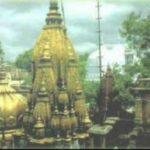
How to Reach:
Presently Avimukteshwar Ling is situated in the same premises of Vishwanath Temple viz. Ck-35/19, Chowk, Varanasi. Regarding directions to reach this temple, devotees may kindly refer to Visweshwar temple.
Contact Details
Official Address
Recent Posts

Shri Kaamkoteeshwar Mandir, Varanasi – History & Significance
In the heart of Kashi, the eternal city of Lord Shiva, where the Ganges flows with celestial grace, stands the Shri Kaamkoteeshwar Mandir. This sacred Sannidhi is not merely a temple but a profound spiritual bridge between the Northern…

ओ सांवरे तूने ही मुझको संभाला – Lyrics & Meaning
ओ सांवरे तूने ही मुझको संभाला – A Prayer to Shyam Origin & Spiritual Essence Why This Bhajan Resonates Devotees chant this when overwhelmed by life’s storms—the refrain ‘तूने ही मुझको संभाला’ is the soul’s sigh of relief: “You…

कथा ये है महाराज मेरे की – Lyrics & Meaning
कथा ये है महाराज मेरे की छत्रपति संभाजी महाराज – A Prayer to Chhatrapati Sambhaji Maharaj Origin & Spiritual Essence Why This Bhajan Resonates Devotees chant this when their spirit feels tested—its powerful refrain “महाराज मेरे” is a soul’s…

Rigveda Samhita Yathartha Anuvada (ऋग्वेद संहिता यथार्थ अनुवाद) – Complete Set with Anvayartha & Hindi/English Translation
The Rigveda is the oldest surviving scripture of humanity and the foundational text of Sanātana Dharma. For serious students, scholars, UPSC aspirants studying ancient Indian history, Sanskrit learners, and spiritual seekers, a precise and grammatically structured translation is indispensable.…

आना भी अकेला है जाना भी अकेला है – Lyrics & Meaning | BharatTemples
आना भी अकेला है जाना भी अकेला है – A Prayer to the Divine Witness Origin & Spiritual Essence Why This Bhajan Resonates Devotees turn to this bhajan in moments of deep reflection—when life’s attachments begin to ache. The…

माता शेरावाली के द्वार जो भी जाता है – Lyrics & Meaning
माता शेरावाली के द्वार जो भी जाता है – A Prayer to Maa Sherawali Origin & Spiritual Essence Why This Bhajan Resonates Devotees turn to this bhajan in times of fear or uncertainty—its promise that no one leaves Maa’s…

मार लेना सपणी उबार लेणा भवरा – Lyrics & Meaning
मार लेना सपणी उबार लेणा भवरा – A Prayer to the Divine Beloved Origin & Spiritual Essence Why This Bhajan Resonates Devotees chant this in moments of deep vulnerability—its cry of “मार लेना सपणी, उबार लेणा भवरा” is the…

हमें श्याम सुंदर भरोसा तुम्हारा – Lyrics & Meaning
हमें श्याम सुंदर भरोसा तुम्हारा – A Prayer to Shyam Sundar Origin & Spiritual Essence Why This Bhajan Resonates Devotees chant this when feeling alone—its refrain ‘de do sahara’ is the soul’s cry for divine support. Lyrics in Hindi…

Mere Satguru Ne Di Thi Davai Lyrics in Hindi & Meaning
Mere Satguru Ne Di Thi Davai: Invoking the Guru’s Liberating Wisdom This soul-stirring bhajan venerates the Satguru (True Spiritual Master) as the divine physician who dispenses the only remedy for life’s deepest sufferings. Composed by Sant Karmaveer Tufani, it…

Janm Diyo Thari Maa Dukh Dekhiyo Lyrics in Hindi & Meaning
जन्म दियो थारी माँ दुख देखियो (Maa’s Grief Upon Birthing You) This soul-stirring Chetavani Bhajan (admonitory hymn) is addressed to the Divine Mother (Maa) – a call for repentance when children forget their filial duties in the dark age…