
Contents
- 1 The Definitive Pilgrimage Guide: Aapa Stambeshwar Temple, Varanasi
The Definitive Pilgrimage Guide: Aapa Stambeshwar Temple, Varanasi
In the spiritual labyrinth of Kashi, where every stone whispers Vedic hymns, the Aapa Stambeshwar Temple stands as a silent sentinel of knowledge. A beacon for seekers of Brahma Gyan (supreme knowledge), this shrine offers a unique spiritual vibration that bridges the ancient Vedic era with the modern devotee’s quest for enlightenment.
1. Introduction & Spiritual Essence
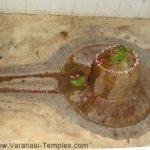
Located in the heart of Varanasi, the Aapa Stambeshwar Temple is dedicated to Lord Shiva in the form of a Swayambhu Lingam (self-manifested phallic symbol). Unlike the grand, towering deities found elsewhere, the sanctity of this temple lies in its subtle, potent energy. The primary deity, Aapa Stambeshwar, is believed to be the granter of Brahma Gyan—the ultimate knowledge of the self and the universe.
Phalaśruti: The Benefits of Visitation
According to the Kashi Khand of the Skanda Purana, worshipping at this specific shrine yields profound results:
- Intellectual Clarity: It is traditionally believed that offering prayers here removes ignorance and enhances cognitive abilities, making it a favored site for students and scholars.
- Cleansing Ancestral Karma: Rituals performed for ancestors (Pitra Dosh Nivaran) are considered highly effective here, helping to liberate the lineage from karmic debts.
- Professional Wisdom: Devotees visit to seek wisdom in decision-making, particularly for those in education, law, and governance.
2. Historical Origins & Scriptural Legend
Scriptural References: The Kashi Khand
The temple finds its roots deeply embedded in the Skanda Purana, specifically the Kashi Khand (Chapter 97). The sacred texts narrate a divine conversation between Lord Shiva and Goddess Parvati, where Shiva describes the mystical geography of Kashi. It was during this discourse that the Aapa Stambeshwar Ling was revealed as a site of immense spiritual potency.
Local Oral Tradition (Sthala Purana)
Tradition holds that this Lingam was discovered near the Madhyameshwar temple. The name “Aapa” is often associated with the concept of protection or fulfillment. Legend says that the great sage Narada once stopped here to rest and received divine knowledge directly from the resonance of the Lingam. The temple, though modest in structure, has survived centuries of the Kashi floods and historical transitions, maintaining its spiritual lineage.
3. Architectural Marvels
While the origin of the shrine is ancient, the visible structure of the Aapa Stambeshwar Temple reflects the architectural sensibilities of later eras. The temple is designed in the Dravidian architectural style, characterized by its pyramid-like towers and ornate sculptural work.
Key Vastu Elements
Despite its compact size in the dense neighborhood of Dara Nagar, the temple adheres to Vastu Shastra principles. The inner sanctum (Garbhagriha) is oriented to allow natural light to fall upon the Lingam during specific times of the year. The entrance is flanked by intricate carvings depicting scenes from Hindu mythology.
Notable Features
- The Sanctum: The Aapa Stambeshwar Lingam is placed in a shallow basin, allowing devotees to perform Abhishekam (ritual bathing) with water and milk personally.
- Surrounding Shrines: Adjacent to the main deity are smaller shrines dedicated to Lord Ganesha and Goddess Parvati, completing the divine trinity within the complex.
4. Darshan & Ritual Logistics
Visitors are encouraged to check specific timings during festival seasons, as schedules can vary. Below is the standard operating schedule for 2026.
Daily Darshan Timings
| Session | Timing | Status |
|---|---|---|
| Morning | 5:00 AM – 12:00 PM | Open |
| Evening | 4:00 PM – 9:00 PM | Open |
| Special Note | Closed for 2 hrs midday | Daily |
Key Sevas & Online Booking
For the year 2026, temple trusts in Varanasi are increasingly digitizing their offerings. While Aapa Stambeshwar is a smaller shrine, it is often managed in conjunction with larger local trusts.
- Abhishekam: Performed daily. Devotees can bring their own milk/water or purchase from the temple counter.
- Rudrabhishek: A highly potent Vedic ritual. Booking usually requires 24 hours’ notice.
- Online Seva: While this specific temple may not have a standalone app, most Kashi temple bookings are consolidated via the Kashi Vishwanath Corridor app or local trusts. Look for “Shri Kashi Vishwanath Temple Trust” for broader booking access.
2026 Festival Dates
- Maha Shivaratri: February 26, 2026 (Major celebrations; expect extended hours).
- Sawan Somvar: July 14 – August 11, 2026 (Special morning rituals).
- Diwali: October 21, 2026 (Evening lighting ceremony).
5. Practical Visitor Guidance
Visiting the Aapa Stambeshwar Temple requires navigating the narrow lanes of Dara Nagar. Preparation is key to a serene experience.
Visitor Etiquette & Rules
- Dress Code: Traditional attire is recommended. Men should wear dhotis or trousers; women should wear sarees or full-length skirts. Modesty is strictly respected.
- Photography: Photography is generally prohibited inside the sanctum sanctorum. Flash photography is strictly banned.
- Mobile Lockers: Due to the narrow lanes, large bags are not advised. Small lockers are available at the main entrance of the temple complex.
- Accessibility: The temple has a few steps at the entrance. It is not fully wheelchair accessible, but assistance is available from temple volunteers.
Crowd Management
- Best Hours: 5:00 AM (Early Morning) or 7:00 PM (Evening Aarti) are the most peaceful times.
- Seasonal Advice:
- May-June: Temperatures exceed 40°C. Carry water and a head covering.
- Monsoon (July-Sept): Lanes can get slippery; wear rubber-soled sandals.
6. Pilgrimage Connectivity
How to Reach Aapa Stambeshwar Temple
The temple is located at K-53/66, Dara Nagar, Varanasi, Uttar Pradesh.
- By Air: Lal Bahadur Shastri International Airport (LBS) is approximately 25 km away. A taxi to the Vishwanath Temple area takes about 60 minutes.
- By Rail: Varanasi Junction (BSB) is the nearest major railway station (approx. 6 km). Rickshaws are readily available.
- By Road: The temple lies 1.5 km from the Kashi Vishwanath Corridor. Access is best via Godaulia or Bisheshwarganj. Private vehicles must park at the designated outer parking lots; the inner sanctum is pedestrian-only.
Nearby Sacred Sites
- Madhyameshwar Temple: Located very close by, this shrine is mentioned alongside Aapa Stambeshwar in the Kashi Khand.
- Boodhwa Baba Temple (Hanuman): A notable local landmark that serves as a reference point for finding the Aapa Stambeshwar temple.
- Kashi Vishwanath Temple: The ultimate destination of Kashi, located just a short rickshaw ride away.
7. Frequently Asked Questions (FAQ)
1. Is there a VIP darshan entry?
Due to the temple’s smaller size and location within a residential area, there is no formal VIP entry system. Darshan is generally quick and accessible to all devotees.
2. Can I book a priest for a personal Puja?
Yes, the local priests serving at the temple can be engaged for personal rituals like Rudrabhishek or Ganesh Puja. It is advisable to visit in the morning hours to arrange this service directly.
3. What is the significance of the well mentioned near the temple?
The area is known for ancient water bodies (Koop) mentioned in Kashi Khand. These wells are considered sacred, though for ritual purification, the water provided in the temple sanctum is recommended.
4. Is the temple safe for solo female travelers?
Yes, Varanasi is generally safe. However, as the temple is in a narrow lane, it is advisable to visit during daylight hours or with a trusted guide if visiting late in the evening.
5. What is the best time of year to visit for knowledge and studies?
Mid-February to March (before summer heat) and November (post-monsoon) offer the best weather. Guru Pushya Yoga periods are considered highly auspicious for academic blessings.
Recent Posts

Shri Kaamkoteeshwar Mandir, Varanasi – History & Significance
In the heart of Kashi, the eternal city of Lord Shiva, where the Ganges flows with celestial grace, stands the Shri Kaamkoteeshwar Mandir. This sacred Sannidhi is not merely a temple but a profound spiritual bridge between the Northern…

ओ सांवरे तूने ही मुझको संभाला – Lyrics & Meaning
ओ सांवरे तूने ही मुझको संभाला – A Prayer to Shyam Origin & Spiritual Essence Why This Bhajan Resonates Devotees chant this when overwhelmed by life’s storms—the refrain ‘तूने ही मुझको संभाला’ is the soul’s sigh of relief: “You…

कथा ये है महाराज मेरे की – Lyrics & Meaning
कथा ये है महाराज मेरे की छत्रपति संभाजी महाराज – A Prayer to Chhatrapati Sambhaji Maharaj Origin & Spiritual Essence Why This Bhajan Resonates Devotees chant this when their spirit feels tested—its powerful refrain “महाराज मेरे” is a soul’s…

Rigveda Samhita Yathartha Anuvada (ऋग्वेद संहिता यथार्थ अनुवाद) – Complete Set with Anvayartha & Hindi/English Translation
The Rigveda is the oldest surviving scripture of humanity and the foundational text of Sanātana Dharma. For serious students, scholars, UPSC aspirants studying ancient Indian history, Sanskrit learners, and spiritual seekers, a precise and grammatically structured translation is indispensable.…

आना भी अकेला है जाना भी अकेला है – Lyrics & Meaning | BharatTemples
आना भी अकेला है जाना भी अकेला है – A Prayer to the Divine Witness Origin & Spiritual Essence Why This Bhajan Resonates Devotees turn to this bhajan in moments of deep reflection—when life’s attachments begin to ache. The…

माता शेरावाली के द्वार जो भी जाता है – Lyrics & Meaning
माता शेरावाली के द्वार जो भी जाता है – A Prayer to Maa Sherawali Origin & Spiritual Essence Why This Bhajan Resonates Devotees turn to this bhajan in times of fear or uncertainty—its promise that no one leaves Maa’s…

मार लेना सपणी उबार लेणा भवरा – Lyrics & Meaning
मार लेना सपणी उबार लेणा भवरा – A Prayer to the Divine Beloved Origin & Spiritual Essence Why This Bhajan Resonates Devotees chant this in moments of deep vulnerability—its cry of “मार लेना सपणी, उबार लेणा भवरा” is the…

हमें श्याम सुंदर भरोसा तुम्हारा – Lyrics & Meaning
हमें श्याम सुंदर भरोसा तुम्हारा – A Prayer to Shyam Sundar Origin & Spiritual Essence Why This Bhajan Resonates Devotees chant this when feeling alone—its refrain ‘de do sahara’ is the soul’s cry for divine support. Lyrics in Hindi…

Mere Satguru Ne Di Thi Davai Lyrics in Hindi & Meaning
Mere Satguru Ne Di Thi Davai: Invoking the Guru’s Liberating Wisdom This soul-stirring bhajan venerates the Satguru (True Spiritual Master) as the divine physician who dispenses the only remedy for life’s deepest sufferings. Composed by Sant Karmaveer Tufani, it…

Janm Diyo Thari Maa Dukh Dekhiyo Lyrics in Hindi & Meaning
जन्म दियो थारी माँ दुख देखियो (Maa’s Grief Upon Birthing You) This soul-stirring Chetavani Bhajan (admonitory hymn) is addressed to the Divine Mother (Maa) – a call for repentance when children forget their filial duties in the dark age…