Agastheeswarar Temple Ponneri: History, Timings & Complete Guide
Receive daily temple updates, divine darshan, and morning bhajans directly on WhatsApp.
Contents
- 1 Agastheeswarar Temple, Ponneri: The 107th Lingam of Sage Agastya
Agastheeswarar Temple, Ponneri: The 107th Lingam of Sage Agastya
Agastheeswarar Temple, Ponneri**, Thiruvallur**
| Date built: | |
|---|---|
| Deity: | Agastheeswarar |
| Architectural style: | Tamil Temple architecture |
| Major festivals | |
| Locale: | Ponneri |
| District:: | Thiruvallur |
| Address: | Agastheeswarar Temple,Ponneri – 601 204Thiruvallur District |
| Phone | +91 88254 10107 |
Original Source: https://tamilnadu-favtourism.blogspot.com/2018/06/agastheeswarar-temple-ponneri-thiruvallur.html
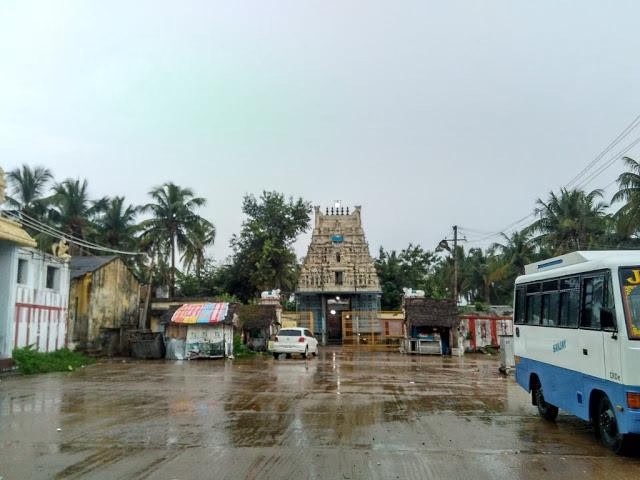
Agastheeswarar Temple is a Hindu Temple dedicated to Lord Shiva located at Ponneri Town in Thiruvallur District of Tamilnadu. Presiding Deity is called as Agastheeswarar and Mother is called as Anandhavalli. Sage Agasthya had installed and worshipped 108 Shiva in various places around Ponneri. Ponneri Agastheeswarar temple is the 107th and the 108th is Ashtothreeswarar or Nootru Ettu Easwarar temple 1 Km from Ponneri in Chinna Kavanam.
1. Introduction & Spiritual Essence
Nestled in the agricultural heartland of Thiruvallur district, the Agastheeswarar Temple in Ponneri stands as a testament to ancient Tamil Saivism. While the temple serves the local community daily, it holds a profound significance for Sri Ramana Maharshi devotees, as it is located in the same region where the sage’s ancestors lived.
Phalaśruti: The Benefit of Darshan
The primary deity, Agastheeswarar (a self-manifested or Swayambhu Lingam), is worshipped to alleviate stomach-related ailments and karmic imbalances. Tradition holds that worshipping here cleanses the devotee of “Graha Dosham” (planetary afflictions), specifically those caused by the planet Rahu. The Goddess here is Anandhavalli, bestowing eternal bliss upon her devotees.
📖 Related: Subramanya Swamy Temple Marungoor: History, Timings & Kumbhabhishekam Guide
2. Historical Origins & Scriptural Legend
The history of Ponneri is intertwined with the legend of Sage Agasthya, one of the Saptarishis.
The Legend of the Pot-Born Sage
According to the Sthala Purana, during the celestial wedding of Lord Shiva and Parvati in the Himalayas, the earth tilted towards the north. To restore balance, Sage Agasthya was directed to travel south. On his journey, the sage stopped at this location, which was then dense with Kadamba forests. Suffering from severe stomach pain, Agasthya prayed to Lord Shiva, who appeared and cured him. In gratitude, the sage installed a Lingam here and named him Agastheeswarar (The Lord of Agasthya).
Chronology of Construction
While exact dynastic records are sparse, temple architecture suggests origins dating back to the Medieval Chola period (circa 10th–13th century CE), with significant additions made during the Vijayanagara Empire rule. The temple inscriptions refer to the region as “Kumbamuni Mangalam,” derived from the sage’s association with the Kamandalam (water pot).
3. Architectural Marvels
The temple exemplifies classic Dravidian architecture, adhering to the principles of Vastu Shastra. It is a Panchayatana style temple, featuring a central shrine surrounded by subsidiary deities.
The Sanctum and Mandapas
The Garbhagriha (sanctum sanctorum) houses the Swayambhu Agastheeswarar Lingam. The Vimana (tower over the sanctum) is a modest yet ornate structure typical of Chola aesthetics. The Ardha Mandapa (entrance hall) features intricately carved pillars depicting various forms of Shiva and local folklore. Unlike grandiose temple complexes, Ponneri’s structure is intimate, designed for contemplative worship.
Notable Sculptures
The temple complex includes shrines for Lord Murugan with his consorts, Lord Ganesha, and a separate shrine for Anandhavalli. The outer walls bear inscriptions in Tamil script detailing land grants made to the temple centuries ago.
📖 Related: Kalahasteeswarar Temple History & Darshan Timings: Sayanavaram Guide
Photo Gallery
13062010362, Agastheeswarar Temple, Ponneri, Thiruvallur

2018-01-20, Agastheeswarar Temple, Ponneri, Thiruvallur
2018-01-20 (8), Agastheeswarar Temple, Ponneri, Thiruvallur
2018-01-20 (3), Agastheeswarar Temple, Ponneri, Thiruvallur
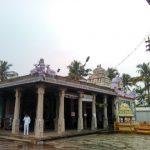
2017-09-28 (2), Agastheeswarar Temple, Ponneri, Thiruvallur
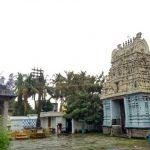
2017-09-28 (1), Agastheeswarar Temple, Ponneri, Thiruvallur
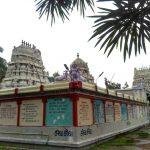
2017-09-28, Agastheeswarar Temple, Ponneri, Thiruvallur
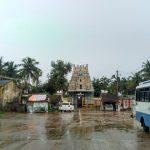
2017-09-28 (4), Agastheeswarar Temple, Ponneri, Thiruvallur
4. Darshan & Ritual Logistics
The temple administration conducts daily rituals strictly according to Agama Shastra. Below are the updated timings for 2026.
Daily Timings
| Session | Timing |
|---|---|
| Morning Darshan | 06:00 AM – 12:00 PM |
| Afternoon Closure | 12:00 PM – 04:30 PM |
| Evening Darshan | 04:30 PM – 08:00 PM |
| Special Note | Timings may extend during festivals. |
Sevas and Online Booking
Key Sevas include Mahadeepam (evening lamp offering), Abhishekam (ritual bathing of the deity), and Archana. While online booking via the official Tamil Nadu HR&CE portal is available for major festivals, daily sevas can be booked directly at the temple counter. Devotees are encouraged to call the provided contact number to confirm availability for specific rituals in 2026.
2026 Major Festival Dates
- Pradosham: Monthly (13th and 28th of every month, check local calendar).
- Shivratri: February 26, 2026 (Grand abhishekam throughout the night).
- Aadi Amavasai: August 22, 2026 (Special rituals for ancestors).
5. Practical Visitor Guidance
To ensure a smooth spiritual experience, please adhere to the following guidelines.
Code of Conduct
- Dress Code: Traditional attire is mandatory. Men should wear dhotis or trousers with shirts; women should wear sarees or salwar kameez.
- Photography: Strictly prohibited inside the sanctum sanctorum. Photography in the outer prakarams (corridors) is generally allowed, but seek permission from the temple staff.
- Footwear & Mobiles: Remove footwear at the designated stands outside the temple. Mobile phones should be on silent mode; lockers are not typically available, so travel light.
Crowd Management
Best Hours to Visit: Mornings between 7:00 AM and 9:00 AM offer the calmest darshan experience. Evenings around sunset are also serene.
Seasonal Advice:
During summer (March–June), the temperature in Ponneri can rise above 35°C. Carry a water bottle and an umbrella. During the monsoon (October–December), the roads leading to Ponneri can be damp; drive cautiously.
6. Pilgrimage Connectivity
The temple is easily accessible from Chennai, making it a popular weekend pilgrimage spot.
📖 Related: Veda Narayana Perumal Temple: History, Darshan Timings & Guide
How to Reach
- By Road: Take NH 16 (Chennai-Kolkata Highway) towards Padi/Redhills. Exit at Thatchur Koot Road and proceed towards Ponneri. The temple is walkable from the Ponneri Bus Stand (approx. 750 meters).
- By Rail: Ponneri Railway Station is the nearest railhead, located 1 km from the temple. It is on the Chennai Central–Sullurpeta line.
- By Air: Chennai International Airport (MAA) is approximately 37 km away.
Nearby Sacred Sites (Pilgrimage Circuit)
- Nootru Ettu Easwarar Temple (Chinna Kavanam): Located just 2.5 km away, this is the 108th Lingam installed by Sage Agasthya.
- Pulicat Lake (Pazhaverkadu): 20 km away. Famous for the Sri Lakshmi Narasimha Swamy Temple and the migratory bird sanctuary.
- Thirumazhisai Aadheenam: A historic Saiva monastic center located roughly 25 km away.
7. Frequently Asked Questions (FAQ)
1. Is there a VIP darshan entry?
The temple is a rustic, community-focused shrine. There is no formal VIP entry system like in large corporate temples. However, devotees can request priority darshan by paying a nominal fee at the counter for specific archanas.
2. What is the best time to visit Agastheeswarar Temple Ponneri?
The best months are November to February when the weather is cool and pleasant. However, the temple is open year-round.
3. Is the Agastheeswarar Temple accessible for senior citizens?
Yes, the temple has level ground access. However, the sanctum is small, and there might be steps at the entrance. A small ramp is available, but assistance may be required.
4. Are there accommodation facilities near the temple?
Lodging options are limited in Ponneri. For better facilities and hotels, pilgrims usually stay in Chennai (Redhills area) or travel to Tiruvallur (55 km).
5. What is the significance of the number 108 here?
Sage Agasthya is believed to have installed 108 Shiva Lingams in this region to regain his spiritual potency. The Agastheeswarar Temple in Ponneri is the 107th in the series, making it a vital stop for the “108 Shiva Sthalams” pilgrimage route.