
Contents
- 1 Amareshwar Temple, Varanasi: A Definitive Pilgrimage Guide
Amareshwar Temple, Varanasi: A Definitive Pilgrimage Guide
1. Introduction & Spiritual Essence
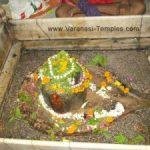
Amareshwar Temple, situated in the sacred heart of Varanasi (Kashi), is a profound spiritual beacon dedicated to Lord Shiva. The name “Amareshwar” translates to the Lord of the Immortals (Amara + Ishwar), signifying the eternal and imperishable nature of the divine consciousness residing here. This ancient shrine houses a Swayambhu (self-manifested) Lingam, believed to have emerged from the Ganga Sagar Teerth, carrying immense spiritual potency.
Phalaśruti: The Benefits of Visiting
According to the sacred Kashi Khand, the scriptures describe specific benefits for devotees who worship at Amareshwar:
- Longevity and Vitality: Worshippers are blessed with a long, happy life, free from the fear of untimely death.
- Ancestral Karmic Cleansing: Rituals performed here are believed to alleviate ancestral curses and remove planetary afflictions, particularly those related to Saturn (Shani).
- Proxy Pilgrimage: For devotees unable to undertake the arduous journey to the Amarnath Cave in Kashmir, praying to the Amareshwar Ling offers the same spiritual merit and blessings of Lord Shiva.
2. Historical Origins & Scriptural Legend
The history of Amareshwar Temple is deeply intertwined with the divine narratives of the Kashi Khand of the Shiva Purana. While specific dynastic builders are not explicitly recorded in modern texts, the temple’s origins are rooted in the celestial activities of Nandi, the vahana (vehicle) of Lord Shiva.
The Legend of Nandi and the 68 Lingas
Tradition holds that while Lord Shiva (in his form as Krithi Vaseshwar) sat with Goddess Uma Devi, Nandi bowed before them and recounted the installation of 68 sacred places of worship within Kashi. From the holy Ganga Sagar Teerth, a powerful Linga named Amareshwar manifested itself and was established in the city.
Historically, the temple complex reflects architectural influences spanning several centuries, with renovations common in the late 18th and 19th centuries, typical of the Brahminical architecture preserved in Varanasi’s labyrinthine galis. The structure is maintained by local trusts, preserving the sanctity of the self-manifested Lingam.
3. Architectural Marvels
Amareshwar Temple exemplifies the classic Dravidian style of architecture, adapted to the spatial constraints of Varanasi’s old city. Unlike the towering Nagara spires found in northern temples, this shrine emphasizes the sanctity of the inner sanctum (Garbhagriha).
- The Sanctum (Garbhagriha): The temple is located below ground level, creating a subterranean atmosphere that enhances the meditative energy. The Lingam is situated in the eastern wing of the structure.
- Materiality: The use of local sandstone and intricate carving work around the entrance frames the spiritual journey inward.
- Sculptural Details: Though modest in scale, the temple features intricate carvings depicting various forms of Shiva and traditional Vastu Shastra motifs, aligning the structure with cosmic energies.
- Status: While not a UNESCO heritage site, it falls under the protection of the Archaeological Survey of India (ASI) as part of the broader heritage precinct of Varanasi, ensuring its preservation.
4. Darshan & Ritual Logistics
To ensure a seamless pilgrimage experience in 2026, we recommend checking the online portal for real-time updates. The temple follows a standard Panchakoshi schedule.
Daily Darshan Timings
| Session | Timings |
|---|---|
| Morning Darshan | 05:00 AM – 12:00 PM |
| Afternoon Break | 12:00 PM – 03:00 PM |
| Evening Darshan | 03:00 PM – 11:00 PM |
Sevas and Online Booking
Devotees can book various Sevas (ritual offerings) to enhance their experience. It is recommended to book these at least 24 hours in advance via the official Varanasi temple committee portals (bharattemples.com integration).
- Abhishekam: Ritual bathing of the Lingam with Panchamrit (milk, honey, ghee, curd, sugar).
- Archana: Personalized chanting of Shiva mantras (Maha Mrityunjaya or Rudri).
- Rudrabhishek: A comprehensive Vedic ritual performed by priests.
2026 Major Festival Dates
Planning your visit around these festivals offers a heightened spiritual atmosphere (dates subject to lunar calendar confirmation):
- Maha Shivaratri: February 26, 2026 (Night-long vigil and special Abhishekam).
- Pradosh Vrat: Monthly (11th Feb, 13th March, 11th April, etc.) – Best time for darshan.
- Shravan Month: July – August 2026 (Peak pilgrimage season; Monday fasts).
- Kartik Purnima: November 5, 2026 (Deep Daan and Ganga Snan).
5. Practical Visitor Guidance
Varanasi’s old city can be challenging; preparation is key to a rewarding visit.
- Dress Code: Traditional attire is preferred (Dhoti/Kurta for men, Saree/Salwar Kameez for women). Avoid tight or revealing clothing.
- Photography & Mobiles: Photography is strictly prohibited inside the inner sanctum. Mobile phones must be kept on silent or deposited in lockers (available near the entrance).
- Crowd Management: The temple is crowded during Mondays and Shravan month. Best hours to visit: 6:00 AM (early morning) or 8:00 PM (evening Aarti).
- Accessibility: Due to the subterranean location, the temple has steep steps. It is not wheelchair accessible. Senior citizens are advised to visit during off-peak hours.
- Seasonal Advice:
- Summer (May-June): Temperatures exceed 40°C. Carry water and head coverings.
- Monsoon (July-Sept): Roads near Lolark Kund may be waterlogged; wear waterproof footwear.
6. Pilgrimage Connectivity
How to Reach Amareshwar Temple
Address: B-2/20, Bhadaini, Varanasi (Behind Lolark Kund).
- By Air: Lal Bahadur Shastri International Airport (LBS) is the nearest airport (approx. 30 km). Taxis and prepaid cabs are readily available to Dashashwamedh Ghat.
- By Rail: Varanasi Junction (BSB) is the primary railway station (approx. 7 km). Kashi Vishwanath Express is a major train connecting to Delhi.
- By Road: Located off NH-19 (Grand Trunk Road). From the station, take an auto-rickshaw to Assi Ghat; the temple is a short walk from the famous Lolark Kund.
Nearby Sacred Sites (The Panchakoshi Circuit)
- Lolark Kund: Just steps away. A historic sun temple and kund revered for curing infertility and skin diseases.
- Assi Ghat: The southernmost ghat of the Ganges, where the River Assi meets the Ganga. A major site for ritual bathing.
- Durga Temple (Monkey Temple): Located 2 km away in Durga Kund, showcasing Nagara style architecture and vibrant Durga Puja celebrations.
7. Frequently Asked Questions (FAQs)
Is there a VIP darshan entry at Amareshwar Temple?
No, Amareshwar Temple follows a traditional, egalitarian approach. While there is no separate VIP gate, devotees who book specific Sevas (like Rudrabhishek) in advance get priority access during their designated time slots.
What is the significance of the Ling being below ground level?
The subterranean placement represents the Anahata Chakra (heart center) and connects the devotee to the depths of the earth and the primordial energy. It is a common feature in many ancient Kashi shrines to maintain a cool temperature and spiritual focus.
Can I perform last rites (Pind Daan) here?
While Amareshwar is primarily a Shiva temple, the proximity to the Ganges and Lolark Kund makes it spiritually potent for ancestor worship. However, specific Pind Daan rituals are usually conducted at the Manikarnika or Harishchandra Ghats.
Is the temple open during Monsoon floods?
Yes, but access to the lower sanctum may be restricted if water levels at Lolark Kund rise significantly. Check local advisories during heavy rainfall.
Are there accommodation options nearby?
Yes, the Bhadaini and Assi Ghat area offers numerous guest houses (Dharamshalas) and heritage hotels catering to pilgrims of all budgets.
Conclusion
A visit to Amareshwar Temple is not merely a sightseeing activity but a dive into the ancient currents of Kashi’s spirituality. Whether seeking the blessings for a long life or the divine grace of Lord Shiva, this hidden gem behind Lolark Kund awaits your devotion.
Plan your 2026 pilgrimage with Bharat Temples. Book your seva, pack your bags, and surrender to the divine will of Amareshwar.
Recent Posts

Shri Kaamkoteeshwar Mandir, Varanasi – History & Significance
In the heart of Kashi, the eternal city of Lord Shiva, where the Ganges flows with celestial grace, stands the Shri Kaamkoteeshwar Mandir. This sacred Sannidhi is not merely a temple but a profound spiritual bridge between the Northern…

ओ सांवरे तूने ही मुझको संभाला – Lyrics & Meaning
ओ सांवरे तूने ही मुझको संभाला – A Prayer to Shyam Origin & Spiritual Essence Why This Bhajan Resonates Devotees chant this when overwhelmed by life’s storms—the refrain ‘तूने ही मुझको संभाला’ is the soul’s sigh of relief: “You…

कथा ये है महाराज मेरे की – Lyrics & Meaning
कथा ये है महाराज मेरे की छत्रपति संभाजी महाराज – A Prayer to Chhatrapati Sambhaji Maharaj Origin & Spiritual Essence Why This Bhajan Resonates Devotees chant this when their spirit feels tested—its powerful refrain “महाराज मेरे” is a soul’s…

Rigveda Samhita Yathartha Anuvada (ऋग्वेद संहिता यथार्थ अनुवाद) – Complete Set with Anvayartha & Hindi/English Translation
The Rigveda is the oldest surviving scripture of humanity and the foundational text of Sanātana Dharma. For serious students, scholars, UPSC aspirants studying ancient Indian history, Sanskrit learners, and spiritual seekers, a precise and grammatically structured translation is indispensable.…

आना भी अकेला है जाना भी अकेला है – Lyrics & Meaning | BharatTemples
आना भी अकेला है जाना भी अकेला है – A Prayer to the Divine Witness Origin & Spiritual Essence Why This Bhajan Resonates Devotees turn to this bhajan in moments of deep reflection—when life’s attachments begin to ache. The…

माता शेरावाली के द्वार जो भी जाता है – Lyrics & Meaning
माता शेरावाली के द्वार जो भी जाता है – A Prayer to Maa Sherawali Origin & Spiritual Essence Why This Bhajan Resonates Devotees turn to this bhajan in times of fear or uncertainty—its promise that no one leaves Maa’s…

मार लेना सपणी उबार लेणा भवरा – Lyrics & Meaning
मार लेना सपणी उबार लेणा भवरा – A Prayer to the Divine Beloved Origin & Spiritual Essence Why This Bhajan Resonates Devotees chant this in moments of deep vulnerability—its cry of “मार लेना सपणी, उबार लेणा भवरा” is the…

हमें श्याम सुंदर भरोसा तुम्हारा – Lyrics & Meaning
हमें श्याम सुंदर भरोसा तुम्हारा – A Prayer to Shyam Sundar Origin & Spiritual Essence Why This Bhajan Resonates Devotees chant this when feeling alone—its refrain ‘de do sahara’ is the soul’s cry for divine support. Lyrics in Hindi…

Mere Satguru Ne Di Thi Davai Lyrics in Hindi & Meaning
Mere Satguru Ne Di Thi Davai: Invoking the Guru’s Liberating Wisdom This soul-stirring bhajan venerates the Satguru (True Spiritual Master) as the divine physician who dispenses the only remedy for life’s deepest sufferings. Composed by Sant Karmaveer Tufani, it…

Janm Diyo Thari Maa Dukh Dekhiyo Lyrics in Hindi & Meaning
जन्म दियो थारी माँ दुख देखियो (Maa’s Grief Upon Birthing You) This soul-stirring Chetavani Bhajan (admonitory hymn) is addressed to the Divine Mother (Maa) – a call for repentance when children forget their filial duties in the dark age…