
Contents
- 1 Definitive Pilgrimage Guide: Atma Veereshwar Temple, Varanasi
Definitive Pilgrimage Guide: Atma Veereshwar Temple, Varanasi
By BharatTemples.com Heritage Architects & SEO Strategists
Introduction & Spiritual Essence
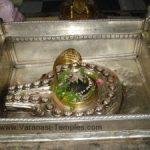
Nestled within the spiritual labyrinth of Varanasi (Kashi) lies the Atma Veereshwar Temple, a sanctuary where the cosmic energy of Lord Shiva manifests as the “Soul of the Hero.” This ancient Jyotirlinga site is not merely a structure of stone but a vortex of devotion, deeply embedded in the sacred geography of Kashi. The presiding deity, Atma Veereshwar, is revered as a Swayambhu (self-manifested) Linga, representing the eternal consciousness of Lord Shiva.
Phalaśruti: The Benefits of Pilgrimage
According to the sacred Kashi Khand (Skanda Purana), the spiritual potency of this temple is unparalleled. Devotees flock here for specific blessings:
- Progeny Blessings: Childless couples perform specific rituals here to be blessed with offspring, echoing the legend of Sage Vishwanar.
- Ancestral Liberation: Performing rites for ancestors (Pind Daan) at this Siddha Peeth is believed to cleanse ancestral karma.
- Success & Prosperity: Worshipping the Veereshwar Linga is said to bestow happiness, prosperity, and victory over obstacles.
Historical Origins & Scriptural Legend
While the architectural footprints suggest a long historical lineage, the temple’s true age is etched in scripture. The structure has undergone renovations over the centuries, preserving the Dravidian style of architecture amidst the North Indian landscape.
The Legend of Amitrajit (Kashi Khand, Chapter 82)
According to Kashi Khand, the origin of the Veereshwar Linga is rooted in the tale of King Amitrajit. A devout follower of Lord Vishnu, the King was guided by Narad Rishi to save a maiden named Malayagandini. They married and resided in Kashi, where she bore a son destined to live only 16 years due to a planetary defect (Daivika Dosha).
To save the King, the son was sent away but eventually undertook severe penance to please Lord Shiva. Appearing as a Linga, Lord Shiva blessed the boy. This divine form became known as the Veereshwar Linga (The Hero’s Linga). It is recorded that one who performs Abhishek and Archana here attains the spiritual merit of worshipping three crore Lingas.
The Blessing of Progeny (Kashi Khand, Chapter 11)
Another legend speaks of Sage Vishwanar and his wife, who prayed relentlessly for a child. Their devotion led them to the Siddha Peeth of Atma Veereshwar. The Lord, pleased with their recitation of the Abhilasha Ashtakam, appeared as an eight-year-old boy. The sage worshipped the boy with the fervor reserved for Shiva himself, and the boy eventually merged into the Atma Veereshwar Linga. It is believed that reciting this prayer for one year grants the boon of progeny.
Architectural Marvels
The Atma Veereshwar Temple stands as a testament to cultural fusion. While Varanasi is predominantly a Nagara-style architectural zone, this temple is a distinct example of the Dravidian Style (South Indian architecture).
Key Features:
- The Shikhara: The temple spire follows the Dravidian tiered pattern (Tala), distinct from the curvilinear Nagara shikharas typical of North India.
- Mandapa: The pillared hall allows for congregational worship, featuring carved stone brackets.
- The Sanctum: The inner sanctum houses the Atma Veereshwar Linga, oriented for darshan from the entrance porch.
Note: While specific ASI listing data for this smaller shrine varies, its preservation is maintained by local trusts adhering to the traditional Vastu Shastra principles governing the cosmic energy of Varanasi.
Darshan & Ritual Logistics
To ensure a seamless spiritual experience, we have outlined the daily schedule and ritual options for 2026.
Daily Timings
| Session | Timing | Activity |
|---|---|---|
| Morning | 05:00 AM – 12:00 PM | Mangala Aarti, Abhishek, General Darshan |
| Afternoon | 12:00 PM – 04:00 PM | Midday Rituals, Temple Rest/Deep Cleaning |
| Evening | 04:00 PM – 09:00 PM | Sandhya Aarti, Shringar, Darshan |
Key Sevas & Online Booking
Devotees can book specific Sevas to deepen their connection with the deity.
- Abhishekam (Rudra Abhishek): Performed with Panchamrit (milk, curd, honey, ghee, sugar) and water. Best time: Morning.
- Archana: Personalized chanting of the deity’s names.
- Rudra Japa: As mentioned in the temple lore, reciting Rudra Japa here is highly fruitful.
Booking: Most local Varanasi temple Sevas are booked via the Varanasi Sarva Seva Samaroh (VSS) or specific local trust websites. Search for “Atma Veereshwar Temple online seva booking” on the official portal of Shri Kashi Vishwanath Temple Trust for integrated services.
2026 Major Festival Dates
- Maha Shivaratri: February 26, 2026 (Special night-long vigils).
- Shravan Month: July 14 – August 12, 2026 (Peak pilgrimage season for Rudrabhishek).
- Kartik Purnima: November 5, 2026 (Deep Daan and Holy Bath).
- Mahadev Amavasya: September 2, 2026 (Specific rites for ancestors).
Practical Visitor Guidance
Navigating Varanasi requires preparation. The temple is located in the old city, which is pedestrian-friendly but crowded.
Code of Conduct
- Dress Code: Traditional attire is preferred (Dhoti/Kurta for men, Saree/Salwar for women). Avoid shorts/tank tops.
- Photography: Inside the sanctum sanctorum, photography is strictly prohibited. You may photograph the exterior architecture and gallery.
- Mobile Phones: Electronic devices should be silenced. Many temples require depositing phones in lockers before entry.
Crowd Management & Seasonal Advice
- Best Hours: Visit between 7:00 AM and 9:00 AM for the least crowded darshan.
- Summer (May-June): Temperatures soar above 40°C. Carry a reusable water bottle and cover your head with a scarf (Ghungta).
- Monsoon (July-September): Roads near Scindia Ghat can be slippery. Wear rubber-soled sandals with good grip.
Pilgrimage Connectivity
How to Reach
Address: Ck-7/158, Scindia Ghat, Varanasi, Uttar Pradesh 221001.
- Air: Lal Bahadur Shastri International Airport (LBS) is 25 km away. Taxi services take 45-60 minutes via NH31.
- Rail: Varanasi Junction (BSB) is the nearest major railway station (4 km). Auto-rickshaws can drop you at Chowk (Lahori Gate).
- Local Transport: From Chowk, the temple is a 15-minute walk through the narrow alleys. Alternatively, take a boat to Scindia Ghat and walk up the steps.
Nearby Sacred Sites
To complete your Varanasi circuit, visit these locations within walking distance:
- Manikarnika Ghat: The holiest cremation ground, just a 5-minute walk away.
- Kashi Vishwanath Temple (Main): Approximately 1 km from Scindia Ghat (accessible via boat or walking).
- Scindia Ghat: Known for the partially submerged Shiva temple, offering a serene riverbank atmosphere.
Frequently Asked Questions (FAQ)
1. Is there a VIP Darshan entry at Atma Veereshwar Temple?
Unlike the major Kashi Vishwanath Corridor, Atma Veereshwar is a smaller shrine. While there is no formal VIP ticket system, the temple management often allows priority entry for elderly devotees and those with severe mobility issues upon request.
2. Can I perform the Abhilasha Ashtakam recitation personally?
Yes. Devotees seeking progeny often recite the Abhilasha Ashtakam personally in the temple premises. However, engaging a temple priest (Pandit) ensures correct pronunciation and ritual protocol.
3. What are the fees for Abhishekam?
Fees vary based on the materials used. A standard Panchamrit Abhishekam typically ranges between ₹500 to ₹1100 depending on the specific package and donations offered. It is best to check the current rate at the temple office or via the official trust website.
4. Is the temple wheelchair accessible?
Due to its location in the historic Old City and the step-architecture typical of temples near Scindia Ghat, full wheelchair accessibility is limited. However, the ground floor main sanctum is accessible with assistance.
5. Is non-Hindu entry permitted?
Kashi is open to all seekers of spirituality. While the inner sanctum is strictly reserved for Hindus, the temple courtyard and architecture can be viewed by all visitors.
Conclusion
The Atma Veereshwar Temple offers a profound experience that transcends typical tourism. It is a journey into the legends of the Kashi Khand and a deep dive into the soul of Veereshwar. Whether you seek ancestral peace, the boon of progeny, or simply the darshan of an ancient Dravidian marvel, this temple awaits your devotion.
Disclaimer: Temple timings and rituals are subject to change based on local Hindu calendar dates and administrative notices. Please verify specific dates before your 2026 visit.
Recent Posts

ओ सांवरे तूने ही मुझको संभाला – Lyrics & Meaning
ओ सांवरे तूने ही मुझको संभाला – A Prayer to Shyam Origin & Spiritual Essence Why This Bhajan Resonates Devotees chant this when overwhelmed by life’s storms—the refrain ‘तूने ही मुझको संभाला’ is the soul’s sigh of relief: “You…

कथा ये है महाराज मेरे की – Lyrics & Meaning
कथा ये है महाराज मेरे की छत्रपति संभाजी महाराज – A Prayer to Chhatrapati Sambhaji Maharaj Origin & Spiritual Essence Why This Bhajan Resonates Devotees chant this when their spirit feels tested—its powerful refrain “महाराज मेरे” is a soul’s…

Rigveda Samhita Yathartha Anuvada (ऋग्वेद संहिता यथार्थ अनुवाद) – Complete Set with Anvayartha & Hindi/English Translation
The Rigveda is the oldest surviving scripture of humanity and the foundational text of Sanātana Dharma. For serious students, scholars, UPSC aspirants studying ancient Indian history, Sanskrit learners, and spiritual seekers, a precise and grammatically structured translation is indispensable.…

आना भी अकेला है जाना भी अकेला है – Lyrics & Meaning | BharatTemples
आना भी अकेला है जाना भी अकेला है – A Prayer to the Divine Witness Origin & Spiritual Essence Why This Bhajan Resonates Devotees turn to this bhajan in moments of deep reflection—when life’s attachments begin to ache. The…

माता शेरावाली के द्वार जो भी जाता है – Lyrics & Meaning
माता शेरावाली के द्वार जो भी जाता है – A Prayer to Maa Sherawali Origin & Spiritual Essence Why This Bhajan Resonates Devotees turn to this bhajan in times of fear or uncertainty—its promise that no one leaves Maa’s…

मार लेना सपणी उबार लेणा भवरा – Lyrics & Meaning
मार लेना सपणी उबार लेणा भवरा – A Prayer to the Divine Beloved Origin & Spiritual Essence Why This Bhajan Resonates Devotees chant this in moments of deep vulnerability—its cry of “मार लेना सपणी, उबार लेणा भवरा” is the…

हमें श्याम सुंदर भरोसा तुम्हारा – Lyrics & Meaning
हमें श्याम सुंदर भरोसा तुम्हारा – A Prayer to Shyam Sundar Origin & Spiritual Essence Why This Bhajan Resonates Devotees chant this when feeling alone—its refrain ‘de do sahara’ is the soul’s cry for divine support. Lyrics in Hindi…

Mere Satguru Ne Di Thi Davai Lyrics in Hindi & Meaning
Mere Satguru Ne Di Thi Davai: Invoking the Guru’s Liberating Wisdom This soul-stirring bhajan venerates the Satguru (True Spiritual Master) as the divine physician who dispenses the only remedy for life’s deepest sufferings. Composed by Sant Karmaveer Tufani, it…

Janm Diyo Thari Maa Dukh Dekhiyo Lyrics in Hindi & Meaning
जन्म दियो थारी माँ दुख देखियो (Maa’s Grief Upon Birthing You) This soul-stirring Chetavani Bhajan (admonitory hymn) is addressed to the Divine Mother (Maa) – a call for repentance when children forget their filial duties in the dark age…
Bhadi Sabha Mein Thane Manaun Lyrics in Hindi & Meaning
Bhadi Sabha Mein Thane Manaun: Invoking the Spear-Wielding Mother Mata Bhawani (श्री ज्वाला भवानी), the fiery manifestation of Shakti worshipped as the Protector of Dharma in Her Dhaulagarh sanctum. Origin & Spiritual Essence Composed in Rajasthani folk tradition by…