Bhadreshwar Temple Varanasi: History, Darshan Timings & Legend
Receive daily temple updates, divine darshan, and morning bhajans directly on WhatsApp.
Contents
- 1 Introduction & Spiritual Essence: The Sacred Bhadreshwar
- 2 Historical Origins & Scriptural Legend
- 3 Architectural Marvels
- 4 Darshan & Ritual Logistics (2026 Update)
- 5 Practical Visitor Guidance
- 6 Pilgrimage Connectivity
- 7 Frequently Asked Questions (FAQs)
- 8 Photo Gallery
Introduction & Spiritual Essence: The Sacred Bhadreshwar
Nestled within the labyrinthine lanes of Varanasi (Kashi), the Bhadreshwar Temple stands as a testament to ancient spiritual devotion. Dedicated to Lord Shiva, this shrine houses the Bhadreshwar Lingam, a swayambhu (self-manifested) form of the deity.
Why Visit Bhadreshwar Temple?
According to the sacred Kashi Khand of the Skanda Purana, worshipping Bhadreshwar is equivalent to visiting all holy teerths (water bodies) combined. The Phalaśruti (spiritual benefits) states that a devotee who takes a bath in the nearby (now extinct) Bhadrahritam Kund and worships the Lingam is cleansed of ancestral karma and is promised a place in Shiva Lok (heavenly abode) after death.
Historical Origins & Scriptural Legend
The history of Bhadreshwar Temple is deeply rooted in the Skanda Purana. While specific dynastic construction records are sparse—a common trait for many ancient Kashi shrines—oral tradition and temple records indicate immense antiquity.
📖 Related: Gyan Vinayak Temple Varanasi: History, Timings & Complete Guide
The Legend of Bhadrahritam
Tradition holds that Goddess Parvati requested Lord Shiva to describe the sacred ponds of Kashi. Shiva revealed that to the north of the Aswiniyeshwar temple lies a Kund named Bhadrahritam.
“By taking a bath in this Kund, a devotee obtains the merit equivalent to giving 1000 cows in charity.” — Kashi Khand, Chapter 97
On Purnima (full moon) days, specifically when the Poorva Bhadrapad star (known as Poornathi in Tamil) is ascendant, the spiritual potency of this location peaks. Although the physical Kund is no longer in existence, the Lingam remains the focal point of worship.
Architectural Marvels
The temple showcases the distinct grandeur of the Dravidian architectural style, a rare and fascinating blend within the predominantly North Indian (Nagara style) dominated skyline of Varanasi.
Vastu & Structural Details
- The Mandapa: The temple features a pillared hall typical of Dravidian styles, allowing devotees to gather before the sanctum.
- The Shikhara: While Dravidian towers are usually pyramidal, the compact structure here follows the vertical sanctity of Kashi Vastu.
- Sculpture: The sanctum houses the ancient Lingam, surrounded by smaller shrines dedicated to deities from the Shiva parivar.
Note on Preservation: While the temple is not a designated ASI (Archaeological Survey of India) protected site, its maintenance is a community effort, preserving the sanctity of the structure.
Darshan & Ritual Logistics (2026 Update)
Daily Timings
| Activity | Timing |
|---|---|
| Morning Darshan | 05:00 AM – 12:00 PM |
| Mid-day Closure | 12:00 PM – 4:00 PM |
| Evening Darshan | 4:00 PM – 9:00 PM |
📖 Related: Chintamani Vinayak Temple Varanasi: History, Timings & Darshan Guide
Key Sevas & Online Booking
Devotees can book various Sevas through the official Varanasi temple portals or on-site.
- Abhishekam: Performed daily morning (6:00 AM – 7:00 AM). Requires prior booking.
- Rudrabhishek: Special Vedic ritual performed on Mondays.
- Archana: Available throughout open hours.
2026 Festival Calendar:
– Maha Shivaratri: February 25, 2026
– Kartik Purnima: November 14, 2026
– Makar Sankranti: January 14, 2026
Practical Visitor Guidance
Dress Code & Etiquette
Visitors are expected to dress modestly. Traditional Indian attire is recommended. Shoes must be removed at the designated area outside the temple.
Crowd Management & Accessibility
- Best Time to Visit: Early mornings (5:00 AM – 7:00 AM) or late evenings avoid the peak local foot traffic.
- Accessibility: The temple is located in narrow lanes. It is accessible by foot but not suitable for vehicles.
- Summer Advice (May-June): Carry a water bottle and a handkerchief, as the marble flooring can become extremely hot.
Pilgrimage Connectivity
How to Reach Bhadreshwar Temple
Address: House No. Ck.2/4, Patani Tola, Bhosala Ghat, Varanasi, Uttar Pradesh 221001.
Transport Options:
- By Air: Lal Bahadur Shastri International Airport (VNS) is approx. 25 km away. Taxi services are available to Chowk.
- By Rail: Varanasi Junction (BSB) is the nearest major railway station (approx. 5 km).
- Local Access: Take an auto-rickshaw or cycle rickshaw to Chowk. From there, walk via the famous Sankata Devi Temple landmark to reach Patani Tola. Alternatively, hire a boat to Bhosala Ghat and climb the steps.
Nearby Sacred Sites (Pilgrimage Circuit)
Enhance your spiritual journey by visiting these nearby shrines:
- Sankata Devi Temple: Located very close, dedicated to the Goddess who removes obstacles.
- Aswiniyeshwar Temple: The reference point for the Bhadrahritam Kund mentioned in the Kashi Khand.
- Manikarnika Ghat: A short walk away, it is one of the holiest cremation ghats in Varanasi.
📖 Related: Eeshaneshwar Temple Varanasi: History, Darshan Timings & Guide
Frequently Asked Questions (FAQs)
1. Is there a VIP darshan entry available?
Generally, VIP darshan is not strictly enforced at this specific shrine due to its location in narrow lanes. However, priority is given to those performing paid Sevas like Abhishekam.
2. Is photography allowed inside the temple?
Photography inside the sanctum sanctorum is strictly prohibited to maintain the sanctity of the shrine. You may take photos of the outer architecture.
3. What is the significance of the Bhadreshwar Lingam?
It is considered one of the 56 Maha Panchkoshi Lingas of Kashi. Worshipping it is believed to purify the soul and remove ancestral debt (Pitra Dosha).
4. Are there mobile lockers available?
Small mobile lockers are available near the main gate for a nominal fee, but due to the temple’s compact size, it is advisable to travel light.
5. What is the best route during monsoon?
During heavy rains, the steps at Bhosala Ghat may get slippery. It is safer to approach via the Chowk route using a cycle rickshaw.
Photo Gallery
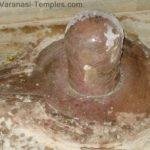
Bhadreshwar2-300×228, Bhadreshwar Temple, Varanasi