
Contents
- 1 Charchika Temple, Cuttack: The Definitive Pilgrimage Guide
Charchika Temple, Cuttack: The Definitive Pilgrimage Guide
Welcome to BharatTemples.com. As the Lead Heritage Architect, I invite you to explore the spiritual and architectural depths of the Shri Charchika Temple in Banki, Cuttack. This is not merely a travel guide but a devotional journey into the heart of Odisha’s Shakta tradition, centered around the fierce yet benevolent form of Maa Charchika Devi.
1. Introduction & Spiritual Essence
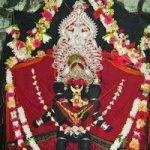
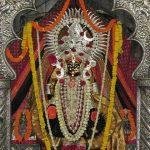
Located atop the serene Ruchika Parvata on the banks of the Renuka River in the Banki region of Cuttack, Odisha, the Charchika Temple is a beacon of Shakta worship. The presiding deity is Maa Charchika Devi, a unique form of Goddess Chamunda. Unlike standard depictions, this eight-armed deity sits upon a prostrate human body, wearing a garland of skulls—a depiction rooted deeply in Tantric traditions.
The Divine Form (Murti)
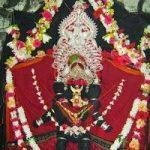
The Murti is a Swayambhu (self-manifested) idol, believed to date back to the 9th or 10th century. In her four right hands, Maa Charchika holds the Khadga (sword), Shula (trident), Katari (cleaver), and displays the Varadamudra (boon-giving gesture). Her left hands hold a severed head, a blood-cup, a Damru (drum), and a finger soaked in blood.
Phalaśruti: The Spiritual Benefits
Devotees visit Charchika Temple for specific spiritual victories and worldly protections. The Phalaśruti (benefits of worship) associated with Maa Charchika include:
- Cleansing of Ancestral Karma: Rituals performed here are believed to pacify the ancestors, granting them liberation (Moksha).
- Protection from Evil: As the fierce Chamunda, she removes negative energies and protects devotees from black magic or malefic planetary influences.
- Fulfillment of Desires: The Varadamudra indicates her grace in granting material and spiritual boons to sincere devotees.
2. Historical Origins & Scriptural Legend
The history of Charchika Temple is a tapestry of ancient mythology and archaeological evidence.
Scriptural & Mythological Roots
Tradition holds that the idol was created by Parashurama, the warrior-sage, embedding the site with immense spiritual energy. Local legends speak of the Renuka River, created by the Goddess herself to punish a devotee who misappropriated her ornaments. This event transformed the landscape, establishing the river’s sanctity.
Historical Timeline & Renovations
- 9th – 10th Century A.D.: The iconographic style of the deity aligns with the Bhaumakara dynasty rule in Odisha. This era marked a significant resurgence in temple construction and Tantric worship.
- 19th Century: While the deity is ancient, the current structural edifice was reconstructed in the 19th century. This restoration preserved the core sanctity while enhancing the structural integrity of the temple complex.
3. Architectural Marvels
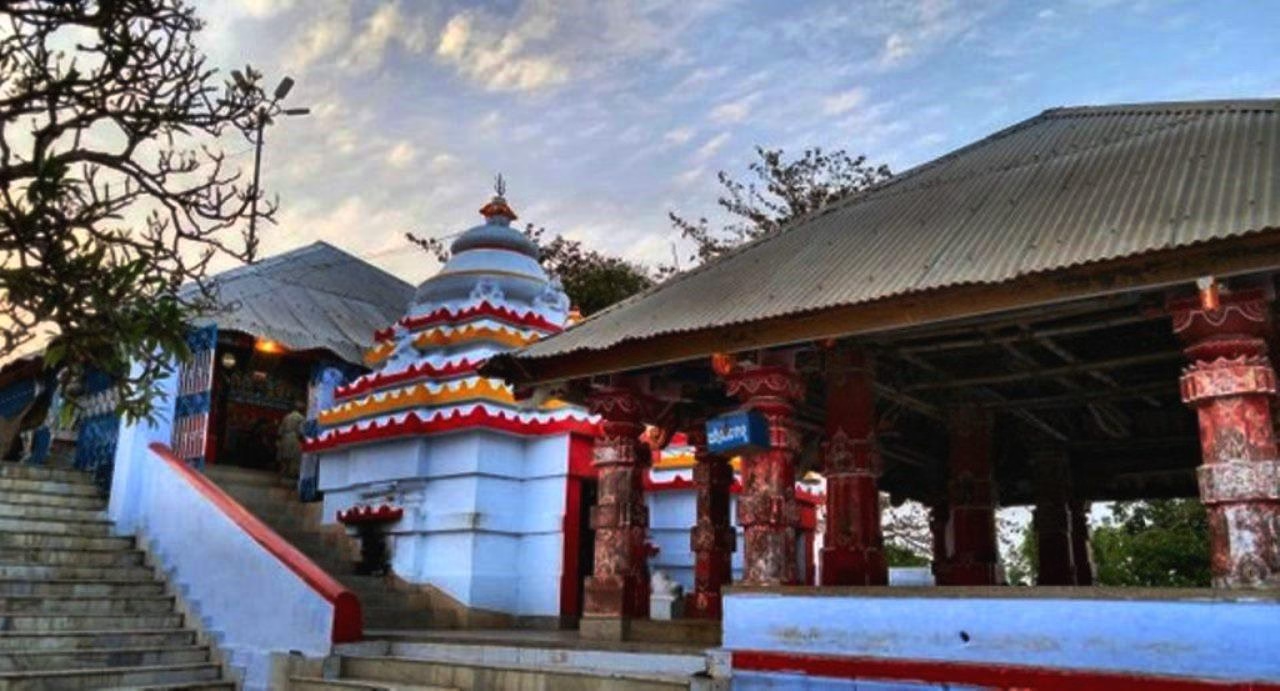
As an architectural heritage specialist, I find the Charchika Temple to be a fascinating study of the Kalingan style, though it exhibits an “impoverished” or simplified variant characteristic of the era.
Structure & Layout
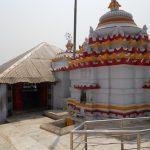
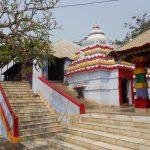
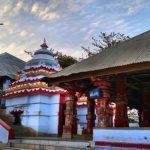
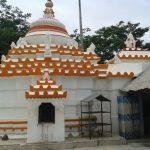
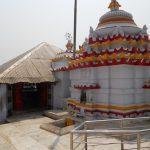
The temple follows the Pidha Vimana (pyramidal roof over the sanctum) plan, accompanied by a Jagamohana (assembly hall). A distinct feature is the Sunyavahini Mandapa, a wooden mandapa attached to the stone structure.
Materials & Artistry
- Construction: Built primarily with stone, the entire surface is thickly coated with lime plaster and whitewashed, protecting the structure from the humid Odisha climate.
- Wooden Ceilings: Unlike typical stone temples, the ceiling of the Mandapa is made of wood, featuring intricate carvings of episodes from the Bhagavata Purana.
- Sculptural Details: The wooden ceiling is adorned with floral motifs, lotus medallions, and animal figures like elephants, ducks, and peacocks. The exterior niches (Parsvadevatas) house four-armed Chamunda and Mahisasuramardini (Durga slaying the buffalo demon).
4. Darshan & Ritual Logistics
Planning your visit to the Charchika Temple requires awareness of the daily rituals and seasonal festivals. Below are the projected timings and major dates for the year 2026.
Daily Darshan Timings
| Session | Timing | Status |
|---|---|---|
| Morning Darshan | 6:00 AM – 12:00 PM | Open |
| Afternoon Break | 12:00 PM – 3:00 PM | Closed |
| Evening Darshan | 3:00 PM – 8:00 PM | Open |
| Special Morning Puja | 6:00 AM – 6:30 AM | Abhishekam |
Key Sevas & Online Booking
While physical booking is available at the temple counter, the Odisha government’s OSDA (Odisha Shrine Administration) portal facilitates online bookings for major festivals.
- Abhishekam: Ritual bathing of the deity. Best performed during the morning break.
- Archana: Recitation of hymns. Can be booked for individual devotees or families.
- Naivedyam: Offering of food items to the Goddess.
Major 2026 Festivals
- Durga Puja (Shodasha Dinatmaka Puja): October 10 – October 19, 2026. This is the most significant event at Charchika Temple, drawing thousands of devotees. The temple is adorned with flowers and lights.
- Kumar Purnima: October 24, 2026. Celebrated five days after Dussehra, this is a major festival in Odisha, particularly famous at this temple. It marks the worship of the youthful deity Kartikeya.
- Navaratri: Observed twice a year (Spring and Autumn), with special Yagnas performed in the evenings.
5. Practical Visitor Guidance
To ensure a smooth and respectful visit, please adhere to the following guidelines.
Dress Code & Etiquette
As a traditional Shakta Peetha, modest dress is mandatory. Men should wear dhotis or full-length trousers and shirts; women should wear sarees, salwar kameez, or long skirts. Avoid shorts, sleeveless tops, or torn clothing.
Photography & Electronics
- Photography: Strictly prohibited inside the sanctum sanctorum (Garbhagriha) and the Jagamohana. Heritage photography may be allowed in the outer courtyard, but seek permission from the temple administration.
- Mobile Lockers: A cloakroom facility is available near the entrance for electronic devices and footwear.
Crowd Management & Accessibility
- Best Hours: Visit between 6:00 AM – 7:00 AM for a peaceful darshan or 4:00 PM – 5:00 PM in the evening.
- Seasonal Advice:
- May (Summer): Odisha experiences high temperatures. Carry water and cover your head.
- July-September (Monsoon): The Renuka river flows nearby; be cautious of slippery steps leading to the temple hillock.
- Accessibility: The temple is on a small hillock. While steps lead to the top, the sanctum has narrow passages that may be challenging for wheelchair users.
6. Pilgrimage Connectivity
How to Reach Charchika Temple
The temple is located in Banki, approximately 35 kilometers from Cuttack city.
- By Air: The nearest airport is Biju Patnaik International Airport in Bhubaneswar, roughly 55 km away (approx. 1.5 hours drive via NH 16).
- By Rail: The nearest major railway junction is Cuttack. From Cuttack, hire a taxi or take a local bus to Banki via the Mahavinayak Temple route.
- By Road: The temple is well connected via State Highway 12 (Banki-Barchana Road). Buses and taxis are frequently available from Cuttack and Bhubaneswar.
Nearby Sacred Sites
Extend your pilgrimage with these nearby spiritual stops:
- Mahavinayak Temple (Ganesha Temple): Located on the way between Cuttack and Banki, this is one of the famous Ganesha temples in Odisha.
- Baladevajew Temple, Banki: An ancient temple dedicated to Lord Balarama, located in the vicinity of Banki town.
- Baidyanath Temple (Puruna Cuttack): A historic Shiva temple in the old town of Cuttack, dedicated to Vaidyanath (the Lord of Physicians).
Photo Gallery
7. Frequently Asked Questions (FAQs)
Is there a VIP darshan entry at Charchika Temple?
Currently, the Charchika Temple does not have a specific commercial VIP entry system like large-scale Tirupati facilities. However, devotees performing specific Sevas (like Abhishekam) generally have a separate queue for entry into the sanctum.
What is the significance of the ‘Sunyavahini Mandapa’?
The Sunyavahini Mandapa is a unique wooden hall attached to the stone temple. The name signifies the etheric or void nature of the space, intended for meditation and Tantric rituals. The wooden ceiling here is a rare architectural heritage of Odisha.
Can we visit Charchika Temple with kids?
Yes, but caution is advised. The climb up the hillock can be tiring for young children. Ensure they are well-hydrated. The sanctum is crowded during festivals, so it is advisable to visit during off-peak hours.
Is there a temple in Mathura dedicated to Maa Charchika?
Yes, it is noted in regional lore that a temple dedicated to Maa Charchika exists in Mathura (Uttar Pradesh) near the Yamuna River, reflecting the pan-Indian reach of Shakta worship.
Where can I find the official address and contact?
The official temple administration is managed locally in Banki. For specific queries, it is best to contact the Banki Panchayat Samiti office in Cuttack district.
Recent Posts

Shri Kaamkoteeshwar Mandir, Varanasi – History & Significance
In the heart of Kashi, the eternal city of Lord Shiva, where the Ganges flows with celestial grace, stands the Shri Kaamkoteeshwar Mandir. This sacred Sannidhi is not merely a temple but a profound spiritual bridge between the Northern…

ओ सांवरे तूने ही मुझको संभाला – Lyrics & Meaning
ओ सांवरे तूने ही मुझको संभाला – A Prayer to Shyam Origin & Spiritual Essence Why This Bhajan Resonates Devotees chant this when overwhelmed by life’s storms—the refrain ‘तूने ही मुझको संभाला’ is the soul’s sigh of relief: “You…

कथा ये है महाराज मेरे की – Lyrics & Meaning
कथा ये है महाराज मेरे की छत्रपति संभाजी महाराज – A Prayer to Chhatrapati Sambhaji Maharaj Origin & Spiritual Essence Why This Bhajan Resonates Devotees chant this when their spirit feels tested—its powerful refrain “महाराज मेरे” is a soul’s…

Rigveda Samhita Yathartha Anuvada (ऋग्वेद संहिता यथार्थ अनुवाद) – Complete Set with Anvayartha & Hindi/English Translation
The Rigveda is the oldest surviving scripture of humanity and the foundational text of Sanātana Dharma. For serious students, scholars, UPSC aspirants studying ancient Indian history, Sanskrit learners, and spiritual seekers, a precise and grammatically structured translation is indispensable.…

आना भी अकेला है जाना भी अकेला है – Lyrics & Meaning | BharatTemples
आना भी अकेला है जाना भी अकेला है – A Prayer to the Divine Witness Origin & Spiritual Essence Why This Bhajan Resonates Devotees turn to this bhajan in moments of deep reflection—when life’s attachments begin to ache. The…

माता शेरावाली के द्वार जो भी जाता है – Lyrics & Meaning
माता शेरावाली के द्वार जो भी जाता है – A Prayer to Maa Sherawali Origin & Spiritual Essence Why This Bhajan Resonates Devotees turn to this bhajan in times of fear or uncertainty—its promise that no one leaves Maa’s…

मार लेना सपणी उबार लेणा भवरा – Lyrics & Meaning
मार लेना सपणी उबार लेणा भवरा – A Prayer to the Divine Beloved Origin & Spiritual Essence Why This Bhajan Resonates Devotees chant this in moments of deep vulnerability—its cry of “मार लेना सपणी, उबार लेणा भवरा” is the…

हमें श्याम सुंदर भरोसा तुम्हारा – Lyrics & Meaning
हमें श्याम सुंदर भरोसा तुम्हारा – A Prayer to Shyam Sundar Origin & Spiritual Essence Why This Bhajan Resonates Devotees chant this when feeling alone—its refrain ‘de do sahara’ is the soul’s cry for divine support. Lyrics in Hindi…

Mere Satguru Ne Di Thi Davai Lyrics in Hindi & Meaning
Mere Satguru Ne Di Thi Davai: Invoking the Guru’s Liberating Wisdom This soul-stirring bhajan venerates the Satguru (True Spiritual Master) as the divine physician who dispenses the only remedy for life’s deepest sufferings. Composed by Sant Karmaveer Tufani, it…

Janm Diyo Thari Maa Dukh Dekhiyo Lyrics in Hindi & Meaning
जन्म दियो थारी माँ दुख देखियो (Maa’s Grief Upon Birthing You) This soul-stirring Chetavani Bhajan (admonitory hymn) is addressed to the Divine Mother (Maa) – a call for repentance when children forget their filial duties in the dark age…