
Contents
- 1 Jateeshwar and Pataleshwar Temple: The Divine Hidden Shiva Lingas of Varanasi

1. Introduction & Spiritual Essence
In the spiritual geography of Kashi (Varanasi), every stone breathes with a specific divine energy. The Jateeshwar and Pataleshwar temple complex is a rare sanctuary where two distinct forms of Lord Shiva reside in unison. While often referred to collectively due to their proximity, they carry individual mythological signatures that draw pilgrims from across the globe.
- Primary Deity: Lord Shiva (as Jateeshwar and Pataleshwar).
- Alternate Names: Jata Dev, Pataleswar, Krithi Vaseshwar (contextual).
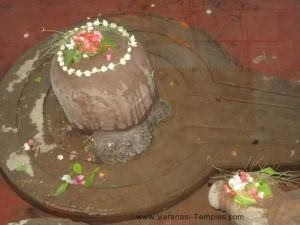
- Form: The Swayambhu (self-manifested) Shiva Lingam. This is not an artist-carved idol, but a natural geological form revered as the cosmic pillar of fire.
Phalaśruti: The Fruits of Visitation
According to the Kashi Khand, scriptures hold specific potency for this location. The Phalaśruti (benefits of devotion) for this temple is profound:
“A devotee who worships Jateeshwar (Pataleshwar) will have all wishes fulfilled and will attain Moksha (liberation from the cycle of rebirth).”
Specifically, the temple is associated with cleansing ancestral karma (Pitra Dosha) and resolving planetary afflictions (Graha Dosha), as Lord Shiva is the compassionate destroyer of sins.
2. Historical Origins & Scriptural Legend
The dating of this temple is enigmatic, typical of ancient Kashi shrines where structure often supersedes historical record.
The Myth of Jateeshwar (The Rameshwaram Connection)
According to Kashi Khand, Chapter 69, the divine sage Narada once asked Lord Shiva about the migration of sacred energies. Tradition holds that a Shiva Linga from the Rameshwaram region of South India manifested in Varanasi. This Linga is known as Jata Dev (referencing the matted locks of Shiva, or Jata). It is situated near the Eka Danta Vinayak (Ganesha with one tusk).
The Pataleshwar Legend
While the exact oral legend varies, “Pataleshwar” translates to “Lord of the Underworld” (Patala). It is believed that this Linga represents Shiva’s authority over the subterranean realms. Some local scholars argue that the two temples, Jateeshwar and Pataleshwar, represent the dual nature of Shiva: the Ascetic (Jateeshwar) and the Dweller of the Depths (Pataleshwar).
Renovations
The current architectural structure reflects the Maratha and Shankaracharya styles of renovation prevalent in the 18th and 19th centuries, though the sanctum remains ancient. The temple has been maintained through the patronage of the Maratha Rajas and the local Bengali Tola community.
3. Architectural Marvels
The architecture of the Jateeshwar and Pataleshwar temple complex is a classic example of the Nagara style of North Indian temple architecture, adapted to the narrow lanes of Varanasi.
Key Structural Elements
- Garbhagriha (Sanctum Sanctorum): Unlike grand temples, the sanctum here is compact and intimate. The vertical emphasis of the Nagara style is visible in the tower, though it is subdued due to urban constraints.
- Shikhara (Spire): The spire features amalaka (ribbed disk) motifs, symbolizing the lotus of the sun or the center of the universe.
- Mandapa (Pillared Hall): The hall allows devotees to circumambulate (Pradakshina) the sanctum. The stone flooring is smooth, worn down by centuries of pilgrim footsteps.
The masonry uses typical Banaras stone (chunar sandstone), which is durable and weather-resistant. The entrance is often guarded by dwarapalas (guardian deities), typical of temple complexes.
4. Darshan & Ritual Logistics
Devotees visiting the Jateeshwar and Pataleshwar temples should note that these are active worship centers within the dense residential area of Bengali Tola.
Daily Timings
| Session | Timings | Activity |
|---|---|---|
| Morning | 05:00 AM – 12:00 PM | Mangala Aarti, Abhishekam |
| Afternoon | 12:00 PM – 04:00 PM | Temple Rest / Periodic Pushpanjali |
| Evening | 04:00 PM – 09:00 PM | Shayan Aarti, Deep Daan |
*Timings are subject to seasonal variations (Panchang).
Key Sevas & Booking
While online infrastructure for these specific smaller shrines is evolving, bookings are typically handled via the central Kashi Vishwanath Temple trust or local pandits.
- Abhishekam: Ritual bathing of the Shiva Linga with milk, honey, and water.
- Archana: Individual chanting of names (Jata Dev and Pataleshwar).
- Rudrabhishek: A powerful Vedic ritual for removal of obstacles.
- Online Seva: Devotees should check the Kashi Vishwanath Corridor app or official websites for “Online Puja Booking” to see if these specific shrines are included in the circuit tickets.
2026 Festival Calendar Highlights
Major festivals are celebrated with great fervor. Plan your visit accordingly, as crowds increase significantly.
- Shivratri (February 26, 2026): The most auspicious day for Shiva devotees. The temple remains open all night.
- Kashi Yatra (June-July 2026): During the Kanwar Yatra, the temple is adorned with marigolds and bel leaves.
- Diwali (October 20, 2026): Celebrated with massive earthen lamp (Diya) lighting.
5. Practical Visitor Guidance
Visiting these temples requires navigating the spiritual yet chaotic lanes of Varanasi.
Rules & Etiquette
- Dress Code: Traditional attire is preferred. Men should wear dhoti or trousers (no shorts), and women should wear sarees or salwar kameez. Caution: These temples are within residential areas; modesty is paramount.
- Photography: Strictly prohibited inside the sanctum sanctorum. Photography of the external architecture is permitted but avoid capturing other devotees without permission.
- Mobile & Lockers: Small shrines may not have cloakrooms. It is advisable to carry minimal belongings. Use the main Kashi Vishwanath Corridor locker facilities before entering the old city if carrying heavy bags.
- Accessibility: The lanes of Bengali Tola are narrow (often 3-4 feet wide). They are uneven and may be slippery due to water offerings. Wheelchairs cannot access the inner sanctum directly.
Crowd Management
- Best Hours: Early morning (6:00 AM – 8:00 AM) offers the most peaceful darshan. Avoid 7:00 PM to 9:00 PM if you dislike crowds.
- Seasonal Advice:
- May-June: Extreme heat (45°C+). Carry water and cover your head.
- Monsoon (July-Aug): High humidity and waterlogging possible. Wear slip-resistant footwear.
- Winter (Dec-Jan): Pleasant days, cold nights. Ideal for walking.
6. Pilgrimage Connectivity
How to Reach
The temple is located in the Bengali Tola area, very close to the Kashi Vishwanath Corridor.
- Nearest Railway Station: Varanasi Junction (BSB) is 5 km away (approx. 20 mins by auto).
- Nearest Airport: Lal Bahadur Shastri International Airport (VNS) is 25 km away.
- Road Access: From the main Corridor, you can take an e-rickshaw to Bengali Tola Post Office. From there, it is a 5-10 minute walk into the residential lanes. Follow signs for “Pataleshwar Temple” or ask locals for “Jata Dev”.
Nearby Sacred Sites (Circuit)
- Eka Danta Vinayak: Located in the same neighborhood, this Ganesha is the remover of obstacles and is traditionally worshipped before entering the Shiva temple.
- Kashi Vishwanath Corridor: The main complex is a short walk away (15 minutes).
- Manikarnika Ghat: Walk towards the ghats to witness the Aarti and the cycle of life and death, completing the spiritual journey of Varanasi.
7. Frequently Asked Questions (FAQ)
Is there a VIP Darshan entry at Jateeshwar Temple?
Given the temple’s location in a narrow residential lane and its smaller size, there is no separate VIP entry gate like in large complexes. Darshan is first-come, first-served. However, visiting during off-peak hours (early morning) ensures a quick and private darshan.
What is the exact address of Jateeshwar Temple?
The temple is situated in Bengali Tola, Varanasi. Specifically, it is located outside or in the vicinity of House No. D.32/118. Look for the entrance near the Bengali Tola Post Office Gully.
Can I perform Rudrabhishek here?
Yes, Rudrabhishek is performed here. However, it is best to coordinate with a local Pandit associated with the temple or book through the wider Kashi Vishwanath Trust services to ensure the necessary materials (milk, bilva leaves, flowers) are arranged.
Is Pataleshwar and Jateeshwar the same?
They are distinct Shiva Lingas but are often grouped together due to their proximity and combined worship in the same architectural complex. Jateeshwar is associated with the Rameshwaram migration legend, while Pataleshwar signifies the subterranean aspect of Shiva.
What is the best time to visit Varanasi for temple darshan?
The best months are October to March. The weather is cool and pleasant, allowing you to explore the old city lanes comfortably. Avoid the peak summer afternoons (April to June).
| Date built: | – |
|---|---|
| Deity: | Jateeshwar, Pataleshwar |
| Architectural style: | Hindu Temple architecture |
| Major festivals | – |
| Locale: | Varanasi |
| District:: | Varanasi |
| Address: | – |
| Phone | – |
Recent Posts

ओ सांवरे तूने ही मुझको संभाला – Lyrics & Meaning
ओ सांवरे तूने ही मुझको संभाला – A Prayer to Shyam Origin & Spiritual Essence Why This Bhajan Resonates Devotees chant this when overwhelmed by life’s storms—the refrain ‘तूने ही मुझको संभाला’ is the soul’s sigh of relief: “You…

कथा ये है महाराज मेरे की – Lyrics & Meaning
कथा ये है महाराज मेरे की छत्रपति संभाजी महाराज – A Prayer to Chhatrapati Sambhaji Maharaj Origin & Spiritual Essence Why This Bhajan Resonates Devotees chant this when their spirit feels tested—its powerful refrain “महाराज मेरे” is a soul’s…

Rigveda Samhita Yathartha Anuvada (ऋग्वेद संहिता यथार्थ अनुवाद) – Complete Set with Anvayartha & Hindi/English Translation
The Rigveda is the oldest surviving scripture of humanity and the foundational text of Sanātana Dharma. For serious students, scholars, UPSC aspirants studying ancient Indian history, Sanskrit learners, and spiritual seekers, a precise and grammatically structured translation is indispensable.…

आना भी अकेला है जाना भी अकेला है – Lyrics & Meaning | BharatTemples
आना भी अकेला है जाना भी अकेला है – A Prayer to the Divine Witness Origin & Spiritual Essence Why This Bhajan Resonates Devotees turn to this bhajan in moments of deep reflection—when life’s attachments begin to ache. The…

माता शेरावाली के द्वार जो भी जाता है – Lyrics & Meaning
माता शेरावाली के द्वार जो भी जाता है – A Prayer to Maa Sherawali Origin & Spiritual Essence Why This Bhajan Resonates Devotees turn to this bhajan in times of fear or uncertainty—its promise that no one leaves Maa’s…

मार लेना सपणी उबार लेणा भवरा – Lyrics & Meaning
मार लेना सपणी उबार लेणा भवरा – A Prayer to the Divine Beloved Origin & Spiritual Essence Why This Bhajan Resonates Devotees chant this in moments of deep vulnerability—its cry of “मार लेना सपणी, उबार लेणा भवरा” is the…

हमें श्याम सुंदर भरोसा तुम्हारा – Lyrics & Meaning
हमें श्याम सुंदर भरोसा तुम्हारा – A Prayer to Shyam Sundar Origin & Spiritual Essence Why This Bhajan Resonates Devotees chant this when feeling alone—its refrain ‘de do sahara’ is the soul’s cry for divine support. Lyrics in Hindi…

Mere Satguru Ne Di Thi Davai Lyrics in Hindi & Meaning
Mere Satguru Ne Di Thi Davai: Invoking the Guru’s Liberating Wisdom This soul-stirring bhajan venerates the Satguru (True Spiritual Master) as the divine physician who dispenses the only remedy for life’s deepest sufferings. Composed by Sant Karmaveer Tufani, it…

Janm Diyo Thari Maa Dukh Dekhiyo Lyrics in Hindi & Meaning
जन्म दियो थारी माँ दुख देखियो (Maa’s Grief Upon Birthing You) This soul-stirring Chetavani Bhajan (admonitory hymn) is addressed to the Divine Mother (Maa) – a call for repentance when children forget their filial duties in the dark age…
Bhadi Sabha Mein Thane Manaun Lyrics in Hindi & Meaning
Bhadi Sabha Mein Thane Manaun: Invoking the Spear-Wielding Mother Mata Bhawani (श्री ज्वाला भवानी), the fiery manifestation of Shakti worshipped as the Protector of Dharma in Her Dhaulagarh sanctum. Origin & Spiritual Essence Composed in Rajasthani folk tradition by…