Kali Mata Mandir, Ladakh: History, Darshan Timings & Complete Guide
Receive daily temple updates, divine darshan, and morning bhajans directly on WhatsApp.
Contents
Perched high in the Trans-Himalayan range, the Kali Mata Mandir in Stok, Ladakh, stands as a testament to unwavering faith in one of the most rugged terrains on Earth. Dedicated to Goddess Kali, the fierce incarnation of Shakti, this temple serves as a spiritual anchor for the local Stokpa community and a profound stop for pilgrims traversing the Buddhist-dominated landscapes of Ladakh.
Why Devotees Visit
Unlike the serene, meditative atmosphere of Gompas, the Kali Mata Mandir vibrates with a raw, protective energy. The primary deity, a Swayambhu (self-manifested) murti, is believed to be the guardian of Stok village. Devotees visit to seek blessings for:
- Protection from Negative Forces: As Kali is the destroyer of evil, locals believe her presence wards off malevolent spirits prevalent in high-altitude regions.
- Ancestral Karma Cleansing: Rituals here are often performed to pacify ancestors and resolve unresolved lineage issues (Pitra Dosh).
- Strength & Courage: Facing the harsh Himalayan elements, pilgrims draw resilience from the deity’s fierce form.
Historical Origins & Scriptural Legend
The history of Kali Mata Mandir is deeply intertwined with the royal legacy of Ladakh and the spiritual syncretism of the region.
The Stok Connection
According to temple records and local oral history, the temple is closely linked to the Stok Royal Palace, the current residence of the royal descendants of the Namgyal dynasty. While the palace dates back to the 14th century, the Kali Mandir has served as the royal family’s presiding deity shrine for centuries.
📖 Related: मेरी मैया जी का क्या केहना | Lyrics, Video | Durga Bhajans
Scriptural & Oral Legends
Tradition holds that the original murti was consecrated during the revival of Buddhism and Hinduism in the region under King Singge Namgyal. While specific Vedic texts do not detail this remote site, the Sthala Purana (local legend) narrates that the Kali form appeared to subdue a local demon (Rakshasa) that troubled the shepherds of Stok. The temple structure, built over centuries, underwent significant renovation in the early 20th century to preserve its sanctity against the harsh Himalayan climate.
Architectural Marvels
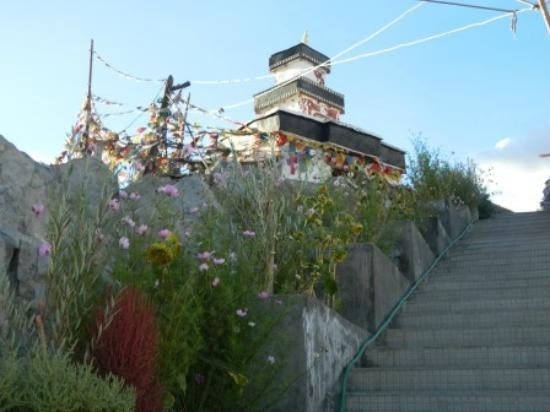
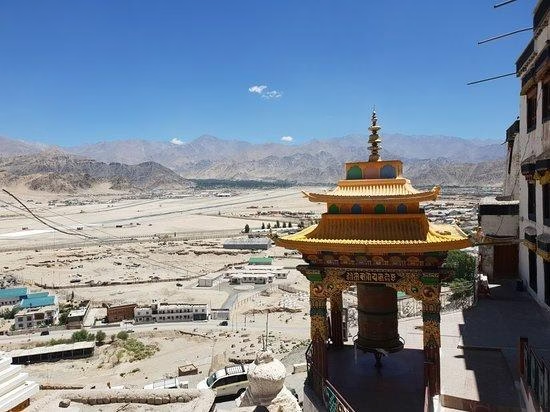
The architecture of Kali Mata Mandir is a unique blend of traditional Tibetan Buddhist aesthetics and classic Hindu Nagara-style elements, reflecting Ladakh’s cultural synthesis.
Structure & Design
- The Shikhara: While typical North Indian temples feature towering spires, this mandir adapts to the local style with a tapering roof structure made of wood and mud, reinforced to withstand heavy snowfall.
- Exterior Wall Carvings: The outer walls feature Dharmachakras and Garudas, symbolizing the protection of the Dharma.
- The Inner Sanctum: The sanctum sanctorum is dimly lit, creating a mystical atmosphere where the black stone murti of Kali, adorned with silver jewelry and fresh marigold garlands, commands absolute attention.
Photo Gallery
Darshan & Ritual Logistics
Operating in a high-altitude zone (approx. 3,600 meters), the temple&rsquos schedule is adapted to the local daylight hours and weather conditions.
Daily Timings (2026 Schedule)
| Session | Timings | Rituals Performed |
|---|---|---|
| Morning | 6:00 AM – 1:00 PM | Mangala Aarti, Abhishekam, Archana |
| Afternoon | 1:00 PM – 2:00 PM | Temple Closed (Cleaning & Rest) |
| Evening | 2:00 PM – 8:00 PM | Sandhya Aarti, Darshan |
Key Sevas & Online Booking
Devotees can book specific Sevas through the official Ladakh religious committee portals.
- Abhishekam: Ritual bathing of the deity with milk, honey, and ghee.
- Chandi Path: Recitation of the Durga Saptashati (most powerful on Tuesdays and Saturdays).
- Online Booking: Visit the Ladakh Monastic Committee portal or the Stok Tourism Board website
📖 Related: मुरली वाले श्याम संग नाचू गी सहेलियों | Lyrics, Video | Krishna Bhajans
2026 Major Festival Dates
- Navratri (Spring): March 30 – April 7
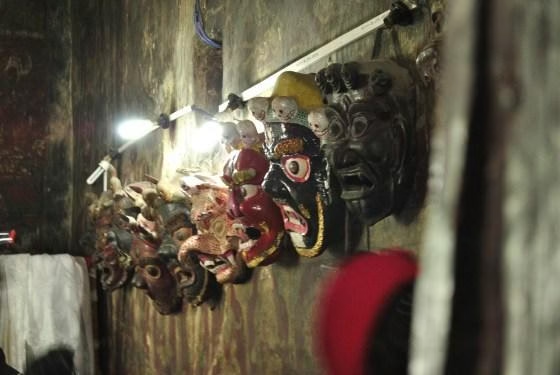
- Navratri (Autumn): October 2 – October 10 (Peak celebration with masked dances)
- Kali Puja: November 1 (Deepavali period)
- Losar (Tibetan New Year): February 17 (The temple remains open for inter-faith blessings).
Practical Visitor Guidance
Visiting Kali Mata Mandir requires physical preparation due to the altitude and weather.
Essential Guidelines
- Dress Code: Modest attire is mandatory. Shoulders and knees must be covered. Warm layers are essential year-round due to icy winds.
- Photography: Strictly prohibited inside the sanctum sanctorum. Photography is allowed in the outer courtyard.
- Mobile Lockers: Due to the spiritual nature of the site, mobile phones should be silenced. Small lockers are available at the temple entrance.
- Accessibility: The path to the temple involves a gradual hike from Stok village. It is not wheelchair accessible.
Crowd Management
- Best Hours: 8:00 AM – 10:00 AM (Before the tourist buses arrive from Leh) or after 4:00 PM.
- Seasonal Advice: In May and October, carry water and lip balm. In winter (Nov-Feb), carry a walking stick for icy paths.
Pilgrimage Connectivity
The temple is located in Stok village, approximately 15 km south of Leh.
How to Reach
- Airport: Kushok Bakula Rimpochee Airport (IXL) in Leh is the nearest airport (30 mins drive to Stok base).
- Road: Accessible via the Leh–Manali Highway (NH 3). From Leh, take the road towards Stok village. Taxis and shared cabs are available at Leh market.
Nearby Sacred Sites (Pilgrimage Circuit)
- Stok Palace Monastery: Located just above the temple, housing a rich library and royal artifacts.
- Spituk Monastery: A 15-minute drive north, famous for its giant Kali statue displayed during the Gustor festival.
- Shanti Stupa: A 30-minute drive, offering a panoramic view of the Himalayan range and a symbol of peace.
📖 Related: मन मेरा मंदिर शिव मेरी पूजा भजन लिरिक्स
Frequently Asked Questions (FAQ)
Is there a VIP Darshan entry?
Yes, the temple committee offers a “Priority Darshan” pass for senior citizens, differently-abled devotees, and those purchasing specific Seva tickets. This can be booked online.
What is the best time of year to visit?
The ideal months are May to October when the weather is pleasant. Winters are extremely harsh with temperatures dropping below -10°C, though the temple remains open.
Are non-Hindus allowed inside?
Ladakh is a region of religious tolerance. While the inner sanctum is reserved for Hindu devotees, the temple courtyard and architecture are open to all visitors for viewing.
Is there a cloakroom for heavy luggage?
Yes, a small cloakroom is available at the entrance. However, large backpacks are discouraged.
Address & Contact Details
Kali Mata Mandir
Stok Village, Ladakh, India
Zip Code: 194101
Contact: Office of the Stok Village Development Committee
Phone:
Note: The monks of Stok and Spituk monasteries also celebrate Stok Guru Tsechu for two days with mask dances performed. It is also held in February, around a week before the Matho Nagrang. During the festival, two oracles appear, but they are laymen from the same village prepared by monks to receive the spirit of the deities.