Kamala Varadharajar Temple Kanchipuram: History, Darshan Timings & Legend
Receive daily temple updates, divine darshan, and morning bhajans directly on WhatsApp.
Contents
- 1 Introduction & Spiritual Essence
- 2 Historical Origins & Scriptural Legend
- 3 Architectural Marvels
- 4 Darshan & Ritual Logistics
- 5 Practical Visitor Guidance
- 6 Pilgrimage Connectivity
- 7 Frequently Asked Questions
- 8 Photo Gallery
- 9 Contact & Temple Administration
Introduction & Spiritual Essence
Nestled in the sacred soil of Kanchipuram, the Kamala Varadharajar Temple in Arasar Koil stands as a timeless monument to Vishnu, revered as the “Granary of South India.” Unlike the bustling epicenters of major cities, this temple offers a profound, intimate connection with the Divine. The primary deity, Sri Kamala Varadharajar, is a form of Lord Vishnu standing in a gracious Abhaya posture, holding a lotus in his right hand—a rare iconographic feature that defines the temple’s sanctity.
The consort deity, Sri Sundara Mahalakshmi (also known as Perundevi Thayar), faces east within the complex. Together, they symbolize the cosmic balance of sustenance and prosperity.
Phalaśruti: Why Visit Kamala Varadharajar Temple?
Devotees flock to this shrine seeking specific spiritual benefits:
- Removal of Ancestral Obstacles: It is believed that prayers offered here help resolve Pitru Dosham (ancestral karmic debts), bringing peace to forefathers.
- Prosperity and Abundance: As the seat of Sundara Mahalakshmi, worship here is said to invoke material and spiritual wealth.
- Salvation (Moksha): Being a Divya Desam (one of the 108 abodes of Vishnu revered by the Alvars), a visit here is a step toward liberation.
Historical Origins & Scriptural Legend
While the exact construction date is difficult to pinpoint, temple records and local lore suggest the structure predates the famous Varadaraja Perumal Temple in Kanchipuram proper. The architecture bears the distinct imprint of the Vijayanagara Empire, indicative of patronage during the 14th–16th centuries.
📖 Related: Chenganmaaleeswarar Temple, Chenganmaal: History, Darshan Timings & Guide
The Sthala Purana
According to temple legends, the origins are deeply rooted in creation itself:
It is said that Lord Brahma performed intense penance under a Peepal tree to behold Lord Narayana. In response, Perumal manifested here, flanked by his consorts.
Another local tradition holds that while Brahma was collecting earth from the River Palar for a sacrificial ritual, he unearthed the divine images of Kamala Varadaraja Perumal and his consorts. He enshrined them at this location, establishing the sanctity of the spot long before the city of Kanchipuram expanded. This legend substantiates the claim that this shrine is among the oldest in the region.
Architectural Marvels
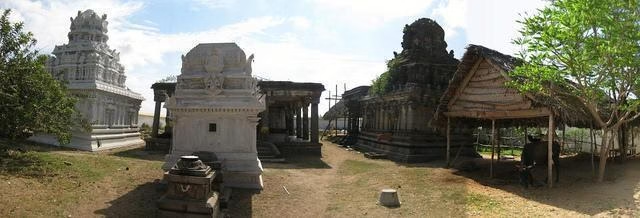
The temple is a classic example of Dravidian Architecture, characterized by towering Gopurams and intricate sculptural details. The temple faces west, a rarity in Vaishnavite temples, adding to its unique orientation.
Unique Features
- The Sanctum (Garbhagriha): The main idol of Kamala Varadaraja Perumal is believed to be made of Salagrama (sacred stone from the Gandaki River in Nepal). He stands in a standing pose, holding a lotus.
- Musical Pillars: The Mandapam preceding the sanctum features pillars made of resonant stone. When tapped gently, they emit musical notes. These pillars bear the plantain flower motif, a signature of Vijayanagara art.
- Goddess Sundara Mahalakshmi: Located in a separate shrine facing east, the Goddess is depicted in Padmasana (lotus posture). Uniquely, the idol has six toes on the right foot. She is worshipped before the Perumal shrine, adhering to Sri Vaishnava traditions.
- Other Shrines: The complex houses shrines for Sri Andal, Anjaneya (Hanuman), and the preceptors Sri Vedanta Desika and Sri Manavala Mamuni.
Darshan & Ritual Logistics
The temple operates on a traditional schedule. While specific hours may vary slightly by season, the following is the standard timetable. Visitors are advised to contact the temple office prior to travel.
| Session | Timings | Details |
|---|---|---|
| Morning Darshan | 07:00 AM – 11:00 AM | Includes morning Abhishekam. |
| Afternoon Closure | 11:00 AM – 04:00 PM | Temple remains closed. |
| Evening Darshan | 04:00 PM – 07:00 PM | Includes Deepa Aradhanai. |
| Special Days | Varies | Extended hours on Ekadashi, Satyarata Ekadasi, and Brahmotsavam. |
📖 Related: Veera Anjaneyar Temple Mylapore: History, Timings & Darshan Guide
Key Sevas & Online Booking
Devotees can perform various Sevas to the deity. For 2026, the temple trust has encouraged digital contributions for maintenance and rituals.
- Archana: Recitation of the deity’s names.
- Abhishekam: Ritual bathing of the idol (usually performed on Saturdays).
- Tirumanjanam: Special offering to Sundara Mahalakshmi.
Booking: To book online seva, devotees can reach out via the provided contact numbers or visit the official Tamil Nadu Tourism portal updates. Currently, direct online integration for this specific small temple is managed through phone coordination.
2026 Festival Calendar (Major Dates)
- Brahmotsavam: Tentative Date: March 15 – March 23, 2026 (10-day festival, peak attendance).
- Vaikuntha Ekadashi: January 6, 2026 (Special palliyarai padi).
- Pavitrotsavam: August 2026 (Purification ceremony).
Practical Visitor Guidance
Dress Code & Etiquette
- Traditional attire is mandatory. Men should wear Dhotis or formal trousers with shirts. Women should wear sarees, salwar kameez, or long skirts.
- Photography is generally permitted in the outer courtyards but strictly prohibited inside the Garbhagriha.
- Mobile phones must be silenced; lockers are not available on-site, so travel light.
Crowd Management & Seasonal Advice
The temple is relatively quieter than the main Kanchipuram Varadaraja temple, making for a peaceful Darshan. However, during the Brahmotsavam, crowds swell.
- Best Time to Visit: 8:00 AM to 10:00 AM on weekdays.
- Seasonal Tip: Kanchipuram summers (May–June) are hot. The temple is open only in the mornings and evenings; carry a water bottle and an umbrella.
- Monsoon: The Palar River flows nearby; check local flood advisories if visiting during heavy Northeast monsoon (November).
Pilgrimage Connectivity
How to Reach
Location: Arasar Koil, Kanchipuram District (Approx. 7 km from Kanchipuram town center).
- By Road: Traveling from Chennai via NH-48 (formerly NH-4), take the Padalam Cross Road after Chengalpet. Turn left toward Vedanthangal. Proceed straight to reach Arasar Koil. The temple is on the left side.
- By Train: The nearest railway station is Padalam (PNM). Kanchipuram Railway Station (CJ) is the major junction.
- By Air: Chennai International Airport (MAA) is the nearest airport (approx. 70 km).
📖 Related: Subramanya Swamy Temple, Manakkal (Trichy): History, Darshan Timings & Guide
Nearby Sacred Sites
- Vyagrapureeswarar Temple (4 km): A famous Shiva temple dedicated to the patron deity of the region.
- Ulagalanda Perumal Temple (6 km): Located in Kanchipuram, featuring a massive 35-foot tall idol of Vishnu as Trivikrama.
- Sri Varadaraja Perumal Temple (7 km): The main seat of Varadaraja Swamy, one of the most prominent Divya Desams.
Frequently Asked Questions
1. Is there a VIP Darshan entry available?
Yes, the temple trust allows special entry for elderly devotees and those with limited mobility. However, it is not a paid ticket system; entry is granted based on temple management discretion.
2. What is the significance of the “Six-Toed” Goddess?
Sundara Mahalakshmi (Perundevi Thayar) in this temple is unique for having six toes on her right foot. In iconography, this is considered a rare auspicious mark indicating supreme sovereignty and agelessness.
3. Are there accommodation facilities nearby?
There are no lodges directly at Arasar Koil. However, plenty of guest houses and choultries are available in Kanchipuram town, just a 15-minute drive away.
4. Is non-vegetarian food allowed?
As with all Vishnu temples, strict vegetarianism is expected within the temple premises. Alcohol and meat are strictly prohibited.
5. Can I offer prayers for my ancestors?
Yes, the temple is renowned for Pinda Daanam and ancestral rites. It is best to contact the temple priest (Archaka) one day in advance to arrange the materials.
Photo Gallery
4501464451_3912171ddc_z, Kamala Varadharajar Temple, Arasar Koil, Kanchipuram
4502100380_b96dfa5cc7_z, Kamala Varadharajar Temple, Arasar Koil, Kanchipuram
4502099988_e405cd0467_z, Kamala Varadharajar Temple, Arasar Koil, Kanchipuram
4502099910_28310432dd_z, Kamala Varadharajar Temple, Arasar Koil, Kanchipuram
4502099616_2c3b0b95c3_z, Kamala Varadharajar Temple, Arasar Koil, Kanchipuram
4502099078_60717fc64b_z, Kamala Varadharajar Temple, Arasar Koil, Kanchipuram
4501465449_5fae067078_z, Kamala Varadharajar Temple, Arasar Koil, Kanchipuram
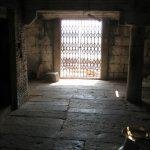
4501465805_632ee05deb_z, Kamala Varadharajar Temple, Arasar Koil, Kanchipuram
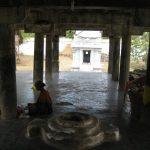
4501466229_2657610ba2_z, Kamala Varadharajar Temple, Arasar Koil, Kanchipuram
4501466745_eced94615c_z, Kamala Varadharajar Temple, Arasar Koil, Kanchipuram
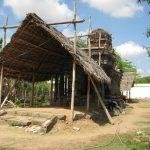
4501467277_cfc96b1771_z, Kamala Varadharajar Temple, Arasar Koil, Kanchipuram
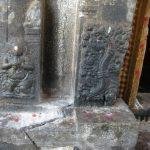
4501469671_93ce68d957_z, Kamala Varadharajar Temple, Arasar Koil, Kanchipuram
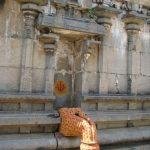
4501468355_6f8e77b9db_z, Kamala Varadharajar Temple, Arasar Koil, Kanchipuram
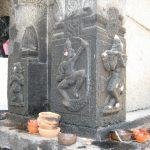
4501468005_6b59b25ca0_z, Kamala Varadharajar Temple, Arasar Koil, Kanchipuram
4501467479_14e444fb89_z, Kamala Varadharajar Temple, Arasar Koil, Kanchipuram
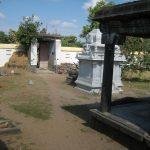
4502098556_b31c508a07_z, Kamala Varadharajar Temple, Arasar Koil, Kanchipuram
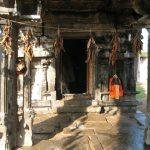
5180865818_6166ca20bd_b, Kamala Varadharajar Temple, Arasar Koil, Kanchipuram
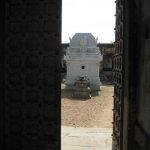
4502098150_bba70853c6_z, Kamala Varadharajar Temple, Arasar Koil, Kanchipuram
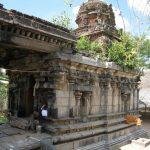
4502098096_c964f696a6_z, Kamala Varadharajar Temple, Arasar Koil, Kanchipuram
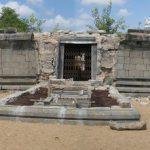
4502097824_ea2574875a_z, Kamala Varadharajar Temple, Arasar Koil, Kanchipuram
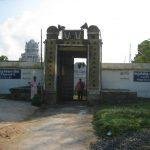
5180266131_3b21e556de_b, Kamala Varadharajar Temple, Arasar Koil, Kanchipuram
5180866604_0aee9305ea_b, Kamala Varadharajar Temple, Arasar Koil, Kanchipuram
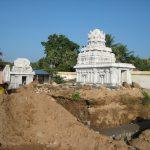
5180265087_6ed5edbb7e_z, Kamala Varadharajar Temple, Arasar Koil, Kanchipuram
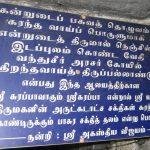
4502103088_f4f5c488a1_z, Kamala Varadharajar Temple, Arasar Koil, Kanchipuram
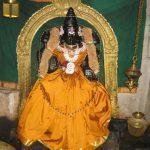
4502102868_e3210504fd_z, Kamala Varadharajar Temple, Arasar Koil, Kanchipuram
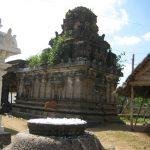
4502102590_3066658946_z, Kamala Varadharajar Temple, Arasar Koil, Kanchipuram
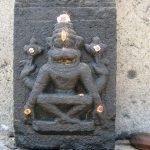
4502102054_05f275ea5a_z, Kamala Varadharajar Temple, Arasar Koil, Kanchipuram
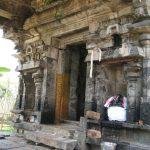
4502101582_0ee46b91b6_z, Kamala Varadharajar Temple, Arasar Koil, Kanchipuram
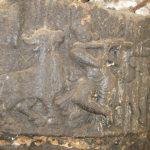
4502100864_9abeef494b_z, Kamala Varadharajar Temple, Arasar Koil, Kanchipuram
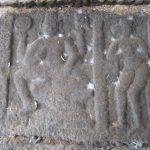
4502100722_611ca1ca22_z, Kamala Varadharajar Temple, Arasar Koil, Kanchipuram
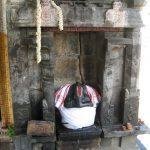
4501464751_5807c29275_z, Kamala Varadharajar Temple, Arasar Koil, Kanchipuram
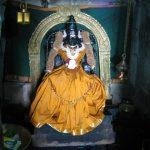
4501464299_b66c89efdf_z, Kamala Varadharajar Temple, Arasar Koil, Kanchipuram
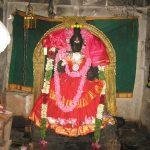
4471917311_6fa56290bd, Kamala Varadharajar Temple, Arasar Koil, Kanchipuram
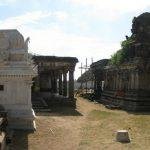
4501463741_eb58cddbe8_z, Kamala Varadharajar Temple, Arasar Koil, Kanchipuram
Contact & Temple Administration
For verified timings and seva bookings:
Sri Sundara Mahalakshmi Sametha Sri Kamala Varadharajar Temple
Arasar Koil, Kanchipuram District
Phone: +91 – 96985 10956 / 93817 44615