Lakshmi Narasimhar Temple, Pazhaya Seevaram: History, Timings & Darshan Guide
Receive daily temple updates, divine darshan, and morning bhajans directly on WhatsApp.
Contents
- 1 Introduction & Spiritual Essence
- 2 Historical Origins & Scriptural Legend
- 3 Architectural Marvels
- 4 Darshan & Ritual Logistics
- 5 Practical Visitor Guidance
- 6 Pilgrimage Connectivity
- 7 Photo Gallery
- 8 Frequently Asked Questions (FAQ)
Introduction & Spiritual Essence
Perched atop the serene Padmagiri hillock on the banks of the holy Palar river, the Lakshmi Narasimhar Temple in Pazhaya Seevaram is a beacon of Vaishnava devotion in Kanchipuram. Known scripturally as Sathya Varadha Kshetram and colloquially as Sripuram, this ancient shrine offers a unique manifestation of Lord Vishnu. Here, the fierce avatar of Narasimha (the lion-man) is eternally united with Lakshmi (Sridevi), embodying a perfect balance of protective energy and benevolent grace.
Why Devotees Visit: The Phalaśruti
According to the Sthala Purana, this is the site where the sage Athri Rishi performed intense penance to witness Lord Vishnu. Appeased, the Lord manifested here as Lakshmi Narasimhar. Devotees visit this temple primarily for:
- Cleansing Ancestral Karma: Performing rituals here is believed to absolve sins and liberate ancestors from the cycle of rebirth.
- Removal of Fear & Obstacles: As Narasimha destroyed the tyranny of Hiranyakashipu, worshipping him here removes fear and life’s obstacles.
- Marital Harmony & Prosperity: The presence of Lakshmi alongside Narasimha signifies that divine wrath is tempered by compassion, inviting prosperity and stability.
Historical Origins & Scriptural Legend
The temple’s origins are steeped in the mythology of the Yugas. While the specific dynasty of construction is difficult to pinpoint due to the temple’s private management by a Gujarati trust for the last 300 years, the spiritual lineage is well-documented.
📖 Related: Arupadi Veedu Temple Palani: History, Timings & Complete Guide
The Dakshina Prayag Legend
Pazhaya Seevaram is geographically and spiritually significant for hosting the Dakshina Prayag (The Southern Confluence). Here, three rivers—Palar (Ksheera Nadhi), Cheyyar (Bahu Nadhi), and Vegavathi (Saraswathi)—meet. Unlike the Prayag in the North, where the Saraswathi river flows underground (Antharvahini), devotees can physically witness the convergence of all three waters here, making it considered holier than its northern counterpart.
The Sthala Purana
Tradition holds that the sage Mareecha Muni guided Vishnu Siththar to Padmagiri, explaining that this was the place where Athri Rishi attained the vision of Lakshmi Narasimhar. The Lord, pacified by Goddess Mahalakshmi after the slaying of Hiranyakashipu, agreed to remain here as the presiding deity. Consequently, the village was named Sripuram in honor of Goddess Lakshmi’s role.
Architectural Marvels
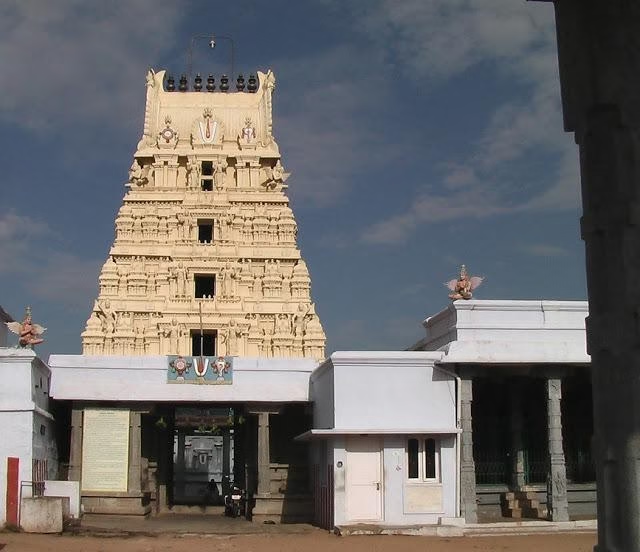
The temple stands as a classic example of Dravidian Architecture. Though managed privately, the structure adheres to ancient Vastu Shastra principles, aligning the sanctum with the natural geography of the hillock.
Structure and Sculpture
The temple is situated midway up the hillock, requiring devotees to climb approximately 140 steps to reach the main shrine. The Shikhara (tower) is modest yet distinct, housing a Mandapam (hall) where the deities are placed during major festivals. Notable features include:
- Padmagiri: The main hill housing the sanctum.
- Sudharsana Malai: The adjacent hill housing Sri Prasanna Venkatesa Perumal (viewable from the temple).
- Suyambu Madapalli: The kitchen area is believed to be self-manifested (Suyambu), a unique architectural and spiritual feature.
Darshan & Ritual Logistics
The temple follows traditional timings. Two Pujas are conducted daily.
Daily Timings
| Session | Timing |
|---|---|
| Morning Darshan | 7:30 AM – 11:00 AM |
| Evening Darshan | 4:00 PM – 6:30 PM |
📖 Related: Veera Anjaneyar Temple Mylapore: History, Timings & Darshan Guide
Key Sevas & Online Booking
While traditional Abhishekam (ritual bathing of the deity) and Archana (recitation of names) are performed, booking procedures may vary due to the private trust management.
- Standard Entry: Free for all devotees.
- Special Sevas: Contact the temple administration directly at +91 – 94437 18137 / 9865494125 for booking availability.
- 2026 Festival Calendar:
- Narasimha Jayanthi: May 2026 (Exact date based on Tamil Calendar).
- Aani Brahmotsavam: June – July 2026.
- Aavani Pavitrotsavam: August – September 2026.
- Pazhaiya Seevaram Parivettai: January 15, 2026 (The day after Pongal/Sankaranthi). This is the most significant event where Lord Varadaraja from Kanchipuram visits this temple.
Practical Visitor Guidance
Visitors are advised to plan their visit carefully due to the temple’s location on a hillock.
Rules & Regulations
- Dress Code: Traditional attire is mandatory. Men should wear dhotis or pants with shirts; women should wear sarees or salwar kameez.
- Photography: Generally permitted in the outer precincts but prohibited inside the sanctum sanctorum.
- Mobiles: Silence is requested; lockers are available if required.
- Accessibility: The climb of 100+ steps may be challenging for elderly devotees. Portable seating is available for assistance.
Crowd Management
- Best Time to Visit: Weekday mornings offer the most peaceful darshan.
- Seasonal Advice:
- Summer (April–June): Carry water and wear head coverings; the hill exposes devotees to direct sun.
- Monsoon (Nov–Dec): The rivers Palar and Cheyyar are in full flow, offering a spectacular view from the top, but steps may be slippery.
Pilgrimage Connectivity
How to Reach
The temple is strategically located on the Kanchipuram – Chengalpattu State Highway SH-58.
- By Road: It is approximately 16 km from Chengalpattu and 20 km from Kanchipuram. Regular buses ply from Kanchipuram bus stand.
- Nearest Railway Station: Walajabad (closest), Chengalpet, or Kanchipuram.
- Nearest Airport: Chennai International Airport (approx. 70 km).
Nearby Sacred Sites
Extend your pilgrimage to these nearby centers of divinity:
- Thiru Mukkoodal Sri Appan Venkatesa Perumal Temple: Located on the southern bank of the Palar, directly opposite Pazhaya Seevaram. Tradition holds that Lord Varadaraja visits this temple during the Parivettai festival.
- Kamakshi Amman Temple (Kanchipuram): The premier Shakti peetham, located about 20 km away.
- Varadaraja Perumal Temple (Kanchipuram): The home deity of the Lord who visits Pazhaya Seevaram annually.
📖 Related: Hari Muktheeswarar Temple History and Darshan Timings | Ariyamangai Guide
Photo Gallery
26012011821, Lakshmi Narasimhar Temple, Pazhaya Seevaram, Kanchipuram
PAZHAYASEEVARAM,LAKSHMI NARASIMHAR (10)
26012011844, Lakshmi Narasimhar Temple, Pazhaya Seevaram, Kanchipuram
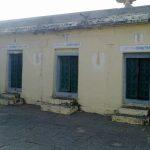
26012011843, Lakshmi Narasimhar Temple, Pazhaya Seevaram, Kanchipuram
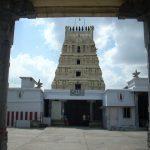
PAZHAYASEEVARAM,LAKSHMI NARASIMHAR (4)
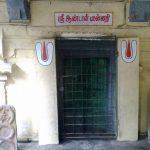
26012011841, Lakshmi Narasimhar Temple, Pazhaya Seevaram, Kanchipuram
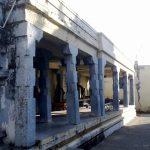
26012011840, Lakshmi Narasimhar Temple, Pazhaya Seevaram, Kanchipuram
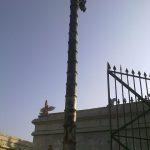
26012011839, Lakshmi Narasimhar Temple, Pazhaya Seevaram, Kanchipuram
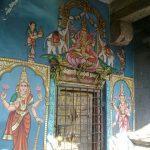
26012011837, Lakshmi Narasimhar Temple, Pazhaya Seevaram, Kanchipuram
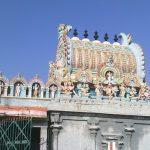
26012011836, Lakshmi Narasimhar Temple, Pazhaya Seevaram, Kanchipuram
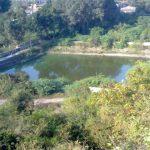
26012011831, Lakshmi Narasimhar Temple, Pazhaya Seevaram, Kanchipuram
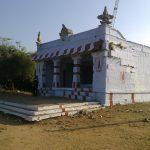
26012011828, Lakshmi Narasimhar Temple, Pazhaya Seevaram, Kanchipuram
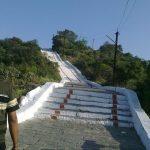
26012011825, Lakshmi Narasimhar Temple, Pazhaya Seevaram, Kanchipuram
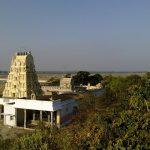
26012011824, Lakshmi Narasimhar Temple, Pazhaya Seevaram, Kanchipuram
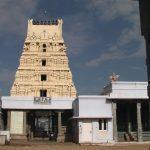
1104054552_ae0f64d9e1_b, Lakshmi Narasimhar Temple, Pazhaya Seevaram, Kanchipuram
Frequently Asked Questions (FAQ)
Is there a VIP darshan entry at Lakshmi Narasimhar Temple?
As a private trust-managed temple, there is no formal government-issued VIP entry system like in Tirupati. However, devotees can contact the temple administration (+91 – 94437 18137) in advance to schedule a special time for Seva or to perform an Abhishekam, which allows for closer darshan.
Why is this temple called “Pazhaya Seevaram”?
Pazhaya translates to “old” in Tamil. The name refers to the ancient practice of the confluence (Seevarom) of the three rivers. Historically, this was a primary junction for water rituals before the construction of modern water systems.
Can we take a bath in the river at the foot of the temple?
Yes, the confluence of the Palar, Cheyyar, and Vegavathi rivers is accessible. Devotees believe that bathing here, combined with the darshan of Lakshmi Narasimhar, yields the spiritual merit equivalent to bathing 100 times in the North Indian Prayag.
What is the significance of the “Parivettai” festival?
Parivettai is observed to mark the destruction of evil forces. On the day after Pongal (January 15, 2026), Lord Varadaraja from Kanchipuram travels 15 km to Pazhaya Seevaram. The deities perform a circumambulation of the village and climb the hill to meet Lakshmi Narasimhar.
Is there accommodation available near the temple?
There are no major hotels on the hillock. However, basic guest houses are available in the village of Pazhaiya Seevaram. For better amenities, it is recommended to stay in Kanchipuram (20 km away) or Chengalpattu (16 km away).