Ram Raja Temple Orchha: History, Darshan Timings & Guide
Receive daily temple updates, divine darshan, and morning bhajans directly on WhatsApp.
Contents
- 1 Introduction & Spiritual Essence
- 2 Historical Origins & Scriptural Legend
- 3 Architectural Marvels
- 4 Darshan & Ritual Logistics
- 5 Practical Visitor Guidance
- 6 Pilgrimage Connectivity
- 7 Frequently Asked Questions (FAQ)
- 8 Photo Gallery
Introduction & Spiritual Essence
The Shri Ram Raja Temple in Orchha, Madhya Pradesh, stands as a singular monument of devotion where the boundaries between the divine and the earthly royalty are dissolved. Unlike any other shrine in India, Lord Rama is not merely worshipped here; he is enthroned as the sovereign ruler of the land. The primary deity is Shri Ram Raja, a monolithic black stone murti of Lord Rama in a seated, regal posture. In this temple, the Avatar of Vishnu is revered as the ruling King (Samrat), making Orchha the only place in the world where Lord Ram holds the title of a Raja and possesses a valid passport for annual international excursions.
Phalaśruti (Spiritual Benefits): Devotees believe that visiting Ram Raja Temple fulfills the deepest desire of the heart—mannat. The tradition holds that constructing a temple for Lord Rama without his permission is impossible, yet the divine presence arrived here to bless the Bundela kings. It is believed that circumambulating the sanctum (pradakshina) with a sincere heart cleanses ancestral karma and brings the blessings of Dharma and sovereignty.
Historical Origins & Scriptural Legend
The spiritual history of Orchha is deeply rooted in the valor of the Bundela Rajputs and a legendary divine decree.
The Arrival of the Divine Monarch
According to the Sthala Purana (local oral legend) detailed in temple records, the history dates back to the 16th century. Rudra Pratap Singh, the founder of Orchha (r. 1501-1531 AD), established this town along the serene banks of the Betwa River. However, the temple’s true genesis lies with Madhukar Shah (r. 1554-1591 AD), a descendant of Rudra Pratap.
Tradition holds that Madhukar Shah, a devout follower of Lord Rama, wished to construct a grand temple for the deity. He received a divine dream instructing him to bring the idol from the holy city of Ayodhya. Accompanied by his Queen, Ganesh Kunwar, the king traveled to Ayodhya. When the time came to leave, the temple priests refused to let the idol depart. The King prayed fervently, and by the grace of the Lord, the idol became light enough to be carried away while the priests slept. Upon returning to Orchha, the King placed the idol in his palace (Raja Mahal). Miraculously, the idol refused to move from its position, signifying the Lord’s desire to stay there as the ruling King. Thus, the palace was consecrated as the Ram Raja Temple.
📖 Related: Sanisvara Siva Temple, Bhubaneswar: History, Darshan Timings & Odisha Guide
While the idol is ancient, the structure we see today—often referred to as the Chaturbhuj Temple—was built by Queen Ganesh Kunwar during the reign of Emperor Akbar. It was designed to house the celestial image brought from Ayodhya, merging the architectural grandeur of the Bundela dynasty with divine sanctity.
Architectural Marvels
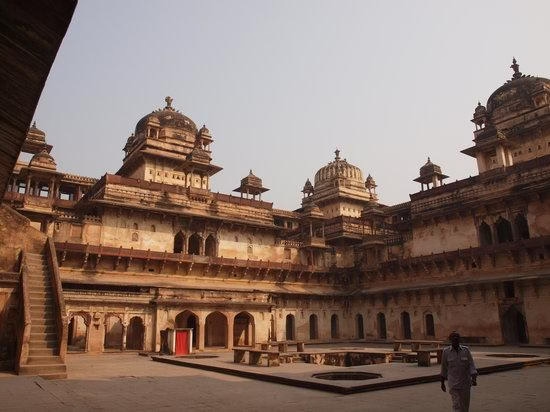
The Ram Raja Temple is a masterpiece of Indo-Saracenic and traditional Bundela architecture. It exhibits a harmonious blend of North Indian (Nagara) temple styles and fortification elements.
The Shikhara and Mandapa
The temple features a towering Shikhara (spire) that dominates the skyline of Orchha. Unlike the intricate stone carvings typical of earlier medieval temples, the Ram Raja Temple utilizes a massive, fortress-like structure made of stone and lime mortar. The exterior is adorned with elegant arches and pillared corridors, reflecting the Mughal influence during the Bundela reign.
Sanctum and Sculptures
The inner sanctum (Garbhagriha) houses the black stone idol of Lord Ram in a seated posture (Dhyana Asana), flanked by Sita and Lakshmana. The sanctum is separated from the pillared hall (Mandapa) by a low railing, allowing devotees a clear view of the regal deity. The brackets and ceilings of the mandapa feature intricate frescoes and carvings, though the primary focus remains the majestic presence of the King.
ASI Status: While specific UNESCO status is reserved for the nearby Rani Mahal and the broader Orchha complex, the Ram Raja Temple is a protected monument of state heritage and represents the architectural zenith of the Bundela dynasty.
Darshan & Ritual Logistics
Visiting Ram Raja Temple requires adherence to specific timings as the deity follows a royal routine, including specific hours for rest and meals.
📖 Related: Sureswari Temple Subarnapur: History, Darshan Timings & Guide 2026
Daily Darshan Timings
| Session | Timing |
|---|---|
| Morning Opening | 07:00 AM |
| Morning Aarti | 08:30 AM |
| Bhog Offering | 12:00 PM |
| Raj Bhog (Midday Rest) | 12:30 PM – 2:30 PM (Temple Closed) |
| Evening Opening | 04:00 PM |
| Evening Aarti | 06:30 PM |
| Closing Time | 08:00 PM |
Key Sevas & Online Booking
Devotees can participate in various Sevas (offerings). While traditional on-site booking is prevalent, many Madhya Pradesh temple trusts are moving towards digital platforms for ease of access.
- Abhishekam: Ritual bathing of the deity (usually performed before 11:00 AM).
- Archana: Chanting of the Lord’s names. Special Sunderkand Path is popular on Tuesdays and Saturdays.
- Naivedyam: Offering of sweets/food. The temple is famous for offering the deity seasonal fruits and distinct regional delicacies.
Booking Note: While a centralized online booking portal for Ram Raja specifically is under constant development by the local administration, devotees can often register for specific rituals by contacting the temple administration office on-site or through the Madhya Pradesh Tourism portals.
2026 Festival Calendar
Plan your visit around these major festivals when the temple is lavishly decorated.
- Shri Ram Janmotsav (Ram Navami): April 6, 2026. The most significant celebration, marked by grand processions and elaborate aartis.
- Dussehra (Vijayadashami): October 2, 2026. In Orchha, Lord Ram is the central figure of the Ramlila, and the effigies of Ravana are burnt in his honor as the victor of Lanka.
- Deepavali: November 1, 2026. Celebrated with Govardhan Puja and unique lighting rituals specific to the Bundela culture.
Practical Visitor Guidance
To ensure a serene experience, please adhere to the following protocols:
- Dress Code: Traditional Indian attire is highly recommended (Kurta-Pajama for men, Saree/Salwar Kameez for women). Avoid shorts and sleeveless tops to respect the sanctity of the shrine.
- Photography: Strictly prohibited inside the inner sanctum (Garbhagriha). Photography may be allowed in the outer courtyard, but seek permission from the guards.
- Mobile Lockers: While the temple does not have an automated locker system, it is advisable to carry minimal belongings. A small bag deposit counter is usually available near the entrance.
- Crowd Management: The temple witnesses peak crowds during weekends and the Mangla Aarti hours. For a peaceful darshan, visit between 10:00 AM and 11:30 AM or after 7:00 PM.
- Seasonal Advice: Summers (April-June) in Orchha are scorching; carry water and head coverings. Monsoons (July-September) enhance the beauty of the Betwa river flowing nearby but may disrupt outdoor travel.
Pilgrimage Connectivity
How to Reach Orchha
- By Air: The nearest airport is Rajmata Vijaya Raje Scindia Airport, Gwalior (JHS), approximately 120 km away. From Gwalior, taxis are available for a 2.5-hour drive.
- By Rail: The nearest major railway junction is Jhansi Junction (Uttar Pradesh), just 18 km away. Autos and shared cabs frequently travel between Jhansi and Orchha.
- By Road: Orchha is well-connected by NH 44 (formerly NH-75). It lies roughly 200 km from Bhopal and 80 km from Tikamgarh.
Nearby Sacred Sites (Pilgrimage Circuit)
- Chaturbhuj Temple (Orchha): Dedicated to Lord Vishnu (sometimes identified as Lord Rama), this massive temple sits on a stone platform and features a unique blend of temple and fort architecture.
- Panch Mukhi Hanuman Temple (Jhansi): Located across the Betwa River, this cave temple is dedicated to Lord Hanuman and offers a panoramic view of Orchha.
- Kalinjar Fort (Neighbouring District): While not a temple, this historic fort is a major pilgrimage stop due to the famous Bhairon Baba Temple located within its complex.
Frequently Asked Questions (FAQ)
1. Is there a VIP Darshan entry at Ram Raja Temple?
Unlike large temples like Tirupati, Ram Raja Temple does not have a formal paid VIP ticket system. However, devotees can gain priority access by contacting the temple administration office for specific religious donations or during non-peak hours.
2. What is the legend behind Lord Ram staying in Orchha?
According to legend, when Madhukar Shah brought the idol from Ayodhya, the Lord decided he was more pleased with the royal treatment in Orchha than the priests’ service in Ayodhya. He signaled this by becoming immovable from the palace floor.
3. Can non-Hindus visit the temple?
While the inner sanctum is strictly reserved for Hindus to perform worship, the outer areas of the temple complex are often accessible to all visitors. It is best to ask the temple authorities.
4. Is Orchha safe for solo female pilgrims?
Orchha is generally considered a safe, tourist-friendly town. However, as a general rule, it is advisable to visit the temple during daylight hours or accompanied by a guide if traveling late at night.
5. What is the best way to book accommodation in Orchha?
For a spiritual trip, the Madhya Pradesh Tourism Corporation (MPTDC) operates the “Betwa Retreat” and “Palace Resort” which offer excellent views. Booking can be done via the MPTDC website or local travel agents in Jhansi.
Photo Gallery
images, Ram Raja Temple Orchha, Niwari, Madhya Pradesh
download, Ram Raja Temple Orchha, Niwari, Madhya Pradesh
orchha-palace, Ram Raja Temple Orchha, Niwari, Madhya Pradesh
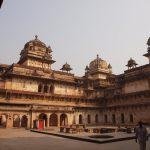
schloss-orchha (1), Ram Raja Temple Orchha, Niwari, Madhya Pradesh
Beautiful-Orchha, Ram Raja Temple Orchha, Niwari, Madhya Pradesh
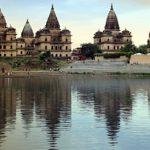
betwa_river_bank, Ram Raja Temple Orchha, Niwari, Madhya Pradesh
schloss-orchha, Ram Raja Temple Orchha, Niwari, Madhya Pradesh
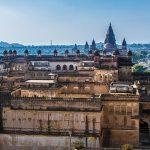
View_of_Raja_Mahal_from_Jahangir_Mahal_with_Ram_Raja_Temple_and_Chaturbhuj_Temple_in_the_background,_Tikamgarh