Panch Krosha Temple Varanasi: History, Darshan Timings & Complete Guide
Receive daily temple updates, divine darshan, and morning bhajans directly on WhatsApp.
Contents
- 1 Panch Krosha Temple, Varanasi: The Gateway to Kashi Kshetra
Panch Krosha Temple, Varanasi: The Gateway to Kashi Kshetra
Lead Heritage Architect & SEO Strategist for BharatTemples.com
Introduction & Spiritual Essence
Nestled within the labyrinthine alleys of the sacred city of Kashi (Varanasi), the Panch Krosha Temple stands as a unique spiritual repository. Unlike traditional temples dedicated to a single deity, this shrine serves as a microcosm of the entire Kashi Kshetra.
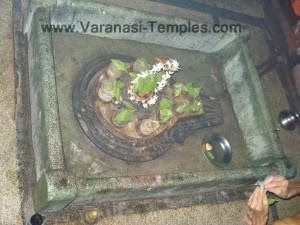
Primary Deity: The sanctum houses a Swayambhu (self-manifested) Sphatik Linga (Crystal Linga). This is not merely a stone but is believed to embody the symbolic presence of both Lord Shiva and Goddess Parvati.
Phalaśruti: The Spiritual Benefit
According to ancient texts and local pundits, the spiritual significance of this temple is monumental. The temple is designed to hold miniature representations of 128 deities that are typically encountered during the arduous Pancha Krosha Yatra.
Why do devotees visit?
- Virtual Yatra: For devotees unable to physically complete the 5-day pilgrimage due to age, health, or time constraints, worshipping at this temple is considered spiritually equivalent to the full Pancha Krosha Yatra.
- Karmic Cleansing: It is believed that circumambulating and worshipping the Sphatik Linga here cleanses ancestral karma and grants liberation (Moksha).
- Bhairava Yatra Completion: The temple specifically facilitates the completion of the Bhairava Yatra, a crucial component of Kashi rituals.
📖 Related: Koot Dant Vinayak Temple, Varanasi: History, Darshan Timings & Guide
Historical Origins & Scriptural Legend
The Kashi Khand Connection
The lore of the Panch Krosha Temple is deeply rooted in the Kashi Khand of the Skanda Purana. Chapter 26 of the Kashi Khand describes the Avimukta Kshetra, the heart of Kashi housing the Visweshwar Temple (Kashi Vishwanath). Chapter 100 outlines various Yatras (pilgrimages) including the Shiva Ling Yatras and Ekadasa Ling Yatras.
Scriptural References
While the specific Pancha Krosha Yatra finds its detailed prescription in the Brahma Vaivart Puran (Kashi Rahasya) and the Koorma Puran, its practice is integral to the fabric of Kashi. Tradition holds that this temple was established to consolidate the energy of the 128 deities into a single sanctum.
Local Oral Tradition
Local devotees hold the Pancha Krosha Yatra in high esteem, equating its spiritual potency with the Kashi Khand itself. This temple serves as the spiritual anchor for these traditions, preserving the legacy of the circuit.
Architectural Marvels
The architecture of the Panch Krosha Temple is a blend of Nagara and vernacular Kashi styles. It is not a grand monumental structure but a haveli-style temple typical of the old city.
Key Features
- The Sphatik Linga: The central shrine houses the crystal Linga, which is unique for its clarity and energy. The architecture is designed to allow natural light to highlight the Linga.
- Miniature Deities: The interior walls and niches house the 128 miniature deities. This layout allows the devotee to perform Pradakshina (circumambulation) through a microcosm of the universe.
- Vastu Shastra: The temple layout follows strict Vastu principles, ensuring that the energy flow (Vastu Purusha) aligns with the magnetic field of the earth, which is particularly strong in Varanasi.
Darshan & Ritual Logistics
While specific official records are often managed by local trusts, the temple generally follows the standard Kashi temple timings.
📖 Related: Vimal Aditya Temple Varanasi: History, Darshan Timings & Significance
Daily Timings
| Session | Timing | Description |
|---|---|---|
| Morning | 05:00 AM – 12:00 PM | Early morning Brahma Muhurta darshan is ideal for meditation. |
| Evening | 04:00 PM – 09:00 PM | Aarti and Shayan Darshan (Resting period). |
Key Sevas & Online Booking
To perform rituals equivalent to the full Pancha Krosha Yatra:
- Abhishekam: Performed with milk, honey, and Ganga Jal on the Sphatik Linga.
- Archana: Special 128 Naam Archana (reciting names of the deities).
- Online Booking: While this specific temple may rely on local priests, for broader Kashi Vishwanath Temple sevas (which cover the Kshetra), devotees can book via the official Kashi Vishwanath Corridor website. For this specific temple, it is recommended to contact the local caretaker or a Kashi Pandit.
2026 Festival Dates (Significant for Yatra)
- Maha Shivaratri: February 26, 2026
- Somvati Amavasya: June 26, 2026 (Highly auspicious for Shiva Darshan)
- Kartik Purnima: November 15, 2026
- Bhairava Ashtami: November 20, 2026 (Critical for Bhairava Yatra aspect)
Practical Visitor Guidance
What to Wear & Bring
- Dress Code: Traditional Indian attire (Kurta-Pajama, Saree, or Dhoti) is recommended to maintain the sanctity of the shrine.
- Footwear: You must leave footwear outside the temple. Carry a bag to hold your shoes if concerned about theft.
- Photography: Generally restricted inside the inner sanctum to preserve the sanctity of the Sphatik Linga. Respect local customs.
Crowd Management & Seasonal Advice
- Best Time to Visit: Early morning (5:00 AM – 7:00 AM) offers the most peaceful darshan.
- Monsoon (July-Sept): The alleys of Varanasi can be slippery. Wear rubber-soled sandals with grip.
- Summer (May-June): Temperatures can exceed 40°C. Carry a water bottle and an umbrella. The narrow lanes offer shade, but hydration is essential.
Pilgrimage Connectivity
How to Reach
The temple is located deep within the old city, making vehicular access restricted to the periphery.
- Address: Ck.5/32, Gola Gully, behind Kashmiri Mal Haveli, Varanasi.
- Nearest Transport Hub: Varanasi Junction (Railway) or Lal Bahadur Shastri International Airport.
- Route: Take an auto-rickshaw to Chowk or Gola Ghat. From there, the temple is a short 5-10 minute walk through the bustling market lanes.
- GPS Note: GPS may be inaccurate in the narrow Galis. Use landmarks like Kashmiri Mal Haveli for navigation.
📖 Related: Pramoda Vinayak Temple, Varanasi: History, Darshan Timings & Guide
Nearby Sacred Sites
Integrate this visit into a wider pilgrimage circuit:
- Kashi Vishwanath Jyotirlinga: The epicenter of the Kshetra (approx. 10 min walk).
- Sankat Mochan Hanuman Temple: Known as the Monkey Temple, located across the Ganges.
- Bhairava Temples: The Bhairava Yatra involves specific temples in the area, making this a perfect starting point.
Frequently Asked Questions (FAQ)
1. Is there a VIP Darshan entry?
Due to the intimate size of the temple, there is no formal VIP entry system. Darshan is generally accessible to all devotees. However, visiting during early morning hours offers the most exclusive and serene experience.
2. Can I undertake the full Pancha Krosha Yatra by car?
Yes, the Panch Krosha Yatra (covering roughly 5 Kroshas or 15 miles) encompasses a large area of Kashi. Many pilgrims now use vehicles to complete the circuit in a single day. However, visiting the Panch Krosha Temple allows you to receive the spiritual merit of this yatra without leaving the city center.
3. Is the Sphatik Linga naturally formed?
The Sphatik Linga is usually carved from natural quartz crystal (Sphatik). While it is man-shaped, it is considered a powerful conductor of energy and is regarded as a Swayambhu representation due to the inherent energy vibrations of the crystal.
4. Are there accommodation options nearby?
There are numerous Dharamshalas and guest houses around Chowk and Dashashwamedh Ghat. For a more comfortable stay, hotels near the Kashi Vishwanath Corridor offer modern amenities while being walkable from the temple.
5. What is the significance of ‘Panch Krosha’?
‘Panch’ means five and ‘Krosha’ is an ancient Indian unit of distance (approximately 3.2 km). The Panch Krosha area defines the spiritual boundary of Kashi Kshetra. Living within or visiting this zone is believed to liberate the soul from the cycle of rebirth.