
Contents
Introduction & Spiritual Essence
Nestled in the serene landscapes of Chitharal, Kanyakumari district, stands the Sambhasathashivan Temple, a timeless sanctuary dedicated to Lord Shiva. Known locally as the Chitharal Malai Kovil, this temple is a profound testament to the region’s spiritual heritage and architectural grandeur. The presiding deity, Sambhasathashivan (a form of Shiva), is revered by devotees for his benevolent presence and the spiritual energy that permeates this sacred site.
Phalaśruti (Spiritual Benefits): Devotees visit this temple seeking liberation from sins and the removal of obstacles (Vighnas). According to local belief, offering prayers here aids in Cleansing ancestral karma and brings mental peace. The unique integration of Jain and Hindu traditions in this region adds a layer of syncretic spiritual energy, making it a powerful site for meditation and worship.
Historical Origins & Scriptural Legend
Origins: While specific inscriptional data regarding the exact founding date is sparse in public records, the architectural style suggests a construction era spanning the late Pandyan period (circa 13th-14th century), with subsequent renovations during the Venkatachalapati Nayak rule. The temple is situated near the famous Chitharal Jain Monuments, indicating a historical period where Jainism and Shaivism coexisted peacefully in the Kanyakumari region.
Sthala Purana (Local Legend): Tradition holds that the temple was established by a local chieftain deeply devoted to Lord Shiva. The name “Sambhasathashivan” is often interpreted as the “Lord who grants boons (Vara) to his devotees.” The temple is believed to have been a meditation site for ancient sages who frequented the rocky hillocks of Chitharal. Inscriptions on the temple walls, though weathered, provide clues to contributions made by feudal lords during the medieval era.
Architectural Marvels
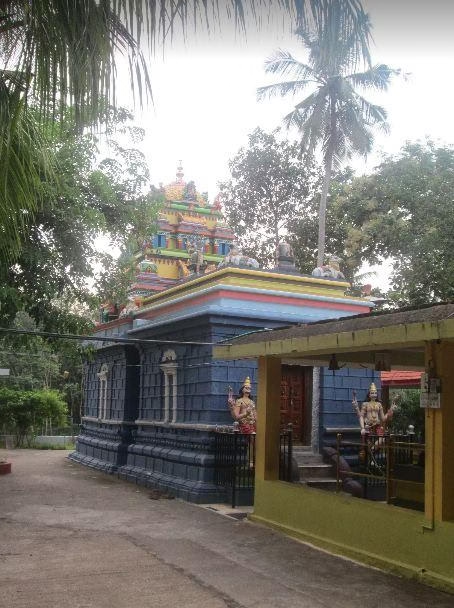
The temple exemplifies the classic Dravidian architectural style, characterized by its towering Gopuram and intricate stonework.
- Structure: The temple complex is built against a rocky hillock, blending seamlessly with nature. The Sanctum Sanctorum (Garbhagriha) houses the main deity, while the Ardha Mandapa serves as the pillared hall for devotees.
- Sculptures: The outer walls and pillars feature carvings of deities, mythical creatures (Yalis), and floral motifs typical of Dravidian art. The proximity to Jain rock-cut monuments influences some stylistic elements, showcasing the region’s artistic evolution.
- Vastu Shastra: The temple is oriented eastward, aligning with Vastu principles to capture the first rays of the sun, symbolizing enlightenment and energy.
Darshan & Ritual Logistics
Planning your visit to ensure a peaceful darshan is essential. Below are the standard timings and key rituals for 2026. Please note that timings may vary slightly during festivals.
Daily Timings
| Session | Timings | Details |
|---|---|---|
| Morning Darshan | 06:00 AM – 12:00 PM | Opens with Ushathkala Puja. |
| Afternoon Break | 12:00 PM – 04:00 PM | Temple remains closed. |
| Evening Darshan | 04:00 PM – 08:00 PM | Closing rituals and Deepa Aradhana. |
Key Sevas & Booking
Devotees can perform various Sevas to the deity. While physical booking is available at the temple counter, digital options are increasingly common in 2026.
- Abhishekam: Ritual bathing of the Shiva Lingam with milk, honey, and sandalwood paste.
- Archana: Recitation of names accompanied by flower offerings.
- Kaala Sandhi Puja: The mid-day ritual (requires prior notice).
- Online Seva Booking: For specific festivals and daily pujas, visit the official Tamil Nadu HR&CE (Hindu Religious and Charitable Endowments) portal or the temple’s dedicated microsite.
2026 Festival Calendar (Highlights)
- Pradosham: Monthly (13th/28th of every lunar month) – 6:00 PM.
- Maha Shivaratri: February 26, 2026 (Special all-night vigil).
- Arudra Darshanam: December 2026 (Date TBD based on Tamil Calendar).
- Aadi Amavasya: July 23, 2026 (Significant for ancestral rites).
Practical Visitor Guidance
To ensure a respectful visit, please adhere to the following guidelines:
- Dress Code: Traditional attire is mandatory. Men should wear dhotis or trousers with a shirt; women should wear sarees, churidars, or long skirts.
- Photography: Photography is prohibited inside the inner sanctum. General photography in the outer premises may require permission from the temple administration.
- Mobile Lockers: While the temple is small, electronic items are best left in vehicles or secured in personal bags. Large bags may be inspected at the entrance.
- Accessibility: The temple involves a short climb up rocky steps. It may be challenging for those with mobility issues.
- Crowd Management: Weekends and Mondays attract larger crowds. For a quiet darshan, visit between 8:00 AM and 10:00 AM on weekdays. Carry water and an umbrella, as the Kanyakumari climate can be hot and humid, especially from March to June.
Pilgrimage Connectivity
Chitharal is well-connected by road, making it an accessible stop on a wider pilgrimage circuit.
How to Reach
- By Air: The nearest airport is Trivandrum International Airport (TRV) in Kerala, located approximately 50 km away. Taxis and buses are available to Kanyakumari/Nagercoil.
- By Rail: The nearest railway junction is Kuzhithurai (approx. 8 km). Major trains halt at Nagercoil Junction (30 km).
- By Road: The temple is located off the Madurai – Kanyakumari National Highway (NH-38). It is 30 km from Nagercoil and 8 km from Kulasekharam.
Nearby Sacred Sites
- Chitharal Jain Monuments (0.5 km): Ancient rock-cut sculptures belonging to the Digambara Jain sect, dating back to the 9th century.
- St. Xavier’s Church, Kottar (15 km): A historic church visited by Francis Xavier, offering a glimpse into the region’s religious diversity.
- Kumarakovil Temple (25 km): A renowned Murugan temple situated on a hillock near Thuckalay.
Photo Gallery
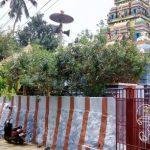
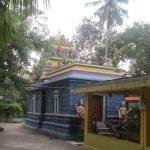
How to Reach
Sambhasathashivan Temple is a Hindu Temple dedicated to Lord Shiva located at Chitharal Village in Kanyakumari District of Tamilnadu. Chitharal Village is famous for its Jain Monuments. The Temple is located in Chitharal Malai Kovil Road. The Temple is located at about 2 Kms from Chitharal Jain Monuments, 500 meters from Chitharal Junction Bus Stop, 2 Kms from Vellamcode, 8 Kms from Kulasekharam, 6 Kms from Marthandam, 8 Kms from Kuzhithurai, 16 Kms from Thuckalay, 30 Kms from Nagercoil, 50 Kms from Kanyakumari and 50 Kms from Thiruvananthapuram. Nearest Railway Station is located at Kuzhithurai and Nearest Airport is located at Thiruvananthapuram.
Frequently Asked Questions (FAQ)
1. Is there a VIP darshan entry available at Sambhasathashivan Temple?
Given the temple’s intimate size, there is no formal VIP darshan system like in larger shrines. However, devotees performing special Archana or Abhishekam are given priority entry during the ritual times.
2. Are non-Hindus allowed inside the temple?
As this is a traditional Hindu place of worship, access to the inner sanctum is generally restricted to those following Hindu traditions. However, the outer architecture and the vicinity of the Jain monuments are open to all visitors.
3. What is the best time of year to visit Chitharal?
The ideal time to visit is between October and March when the weather is pleasant and cool. Avoid peak summer (April-May) if you are sensitive to heat, as the temple involves an open-air climb.
4. Is food available near the temple?
Small local stalls serve snacks and tea. For a full meal, it is recommended to drive to the town of Kulasekharam or Nagercoil, which have several restaurants serving authentic Tamil vegetarian cuisine.
5. Can I book accommodation near the temple?
There are no guest houses directly at Chitharal village. Pilgrims usually stay in Nagercoil, Kanyakumari, or Thiruvananthapuram (Trivandrum), all of which offer ample lodging options ranging from budget to luxury.
Recent Posts

ओ सांवरे तूने ही मुझको संभाला – Lyrics & Meaning
ओ सांवरे तूने ही मुझको संभाला – A Prayer to Shyam Origin & Spiritual Essence Why This Bhajan Resonates Devotees chant this when overwhelmed by life’s storms—the refrain ‘तूने ही मुझको संभाला’ is the soul’s sigh of relief: “You…

कथा ये है महाराज मेरे की – Lyrics & Meaning
कथा ये है महाराज मेरे की छत्रपति संभाजी महाराज – A Prayer to Chhatrapati Sambhaji Maharaj Origin & Spiritual Essence Why This Bhajan Resonates Devotees chant this when their spirit feels tested—its powerful refrain “महाराज मेरे” is a soul’s…

Rigveda Samhita Yathartha Anuvada (ऋग्वेद संहिता यथार्थ अनुवाद) – Complete Set with Anvayartha & Hindi/English Translation
The Rigveda is the oldest surviving scripture of humanity and the foundational text of Sanātana Dharma. For serious students, scholars, UPSC aspirants studying ancient Indian history, Sanskrit learners, and spiritual seekers, a precise and grammatically structured translation is indispensable.…

आना भी अकेला है जाना भी अकेला है – Lyrics & Meaning | BharatTemples
आना भी अकेला है जाना भी अकेला है – A Prayer to the Divine Witness Origin & Spiritual Essence Why This Bhajan Resonates Devotees turn to this bhajan in moments of deep reflection—when life’s attachments begin to ache. The…

माता शेरावाली के द्वार जो भी जाता है – Lyrics & Meaning
माता शेरावाली के द्वार जो भी जाता है – A Prayer to Maa Sherawali Origin & Spiritual Essence Why This Bhajan Resonates Devotees turn to this bhajan in times of fear or uncertainty—its promise that no one leaves Maa’s…

मार लेना सपणी उबार लेणा भवरा – Lyrics & Meaning
मार लेना सपणी उबार लेणा भवरा – A Prayer to the Divine Beloved Origin & Spiritual Essence Why This Bhajan Resonates Devotees chant this in moments of deep vulnerability—its cry of “मार लेना सपणी, उबार लेणा भवरा” is the…

हमें श्याम सुंदर भरोसा तुम्हारा – Lyrics & Meaning
हमें श्याम सुंदर भरोसा तुम्हारा – A Prayer to Shyam Sundar Origin & Spiritual Essence Why This Bhajan Resonates Devotees chant this when feeling alone—its refrain ‘de do sahara’ is the soul’s cry for divine support. Lyrics in Hindi…

Mere Satguru Ne Di Thi Davai Lyrics in Hindi & Meaning
Mere Satguru Ne Di Thi Davai: Invoking the Guru’s Liberating Wisdom This soul-stirring bhajan venerates the Satguru (True Spiritual Master) as the divine physician who dispenses the only remedy for life’s deepest sufferings. Composed by Sant Karmaveer Tufani, it…

Janm Diyo Thari Maa Dukh Dekhiyo Lyrics in Hindi & Meaning
जन्म दियो थारी माँ दुख देखियो (Maa’s Grief Upon Birthing You) This soul-stirring Chetavani Bhajan (admonitory hymn) is addressed to the Divine Mother (Maa) – a call for repentance when children forget their filial duties in the dark age…
Bhadi Sabha Mein Thane Manaun Lyrics in Hindi & Meaning
Bhadi Sabha Mein Thane Manaun: Invoking the Spear-Wielding Mother Mata Bhawani (श्री ज्वाला भवानी), the fiery manifestation of Shakti worshipped as the Protector of Dharma in Her Dhaulagarh sanctum. Origin & Spiritual Essence Composed in Rajasthani folk tradition by…