
Contents
Introduction & Spiritual Essence
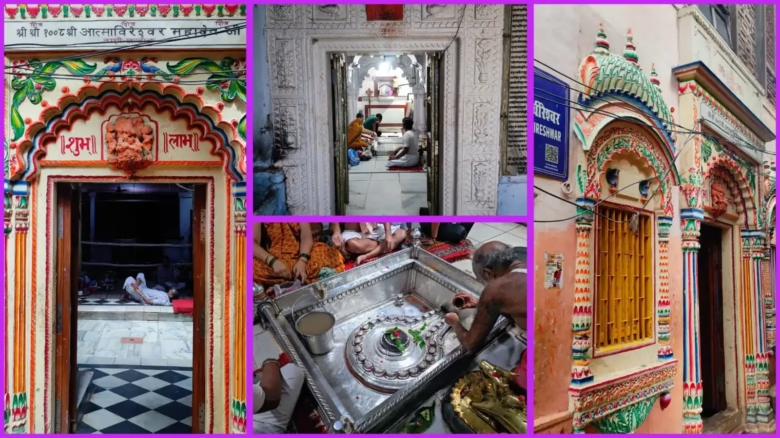
Located in the spiritual heart of Kashi (Varanasi), Uttar Pradesh, Shri Atmavireshwar Mahadev Temple stands as a beacon of ancient devotion. This sacred shrine is dedicated to Lord Shiva in the form of Atmavireshwar (the supreme ruler of the soul).
As one of the revered temples within the Kashi Khand (章节) of the Skanda Purana, it holds immense significance for seekers of Moksha (liberation). The presiding deity is a Swayambhu (self-manifested) Shivlinga that radiates an aura of profound tranquility.
Phalaśruti: Why Do Devotees Visit?
Devotees flock to this temple not merely for darshan, but for the spiritual protection of the Atma (soul). According to local tradition, worshipping Atmavireshwar Mahadev:
- Cleanses Ancestral Karma: It is believed to assist ancestors in attaining peace, particularly during Pitru Paksha and Shradh periods.
- Destroys Ego & Negativity: The name “Atmavireshwar” translates to the “Lord who conquers the inner self,” aiding in the removal of inner turmoil and evil influences.
- Grants Inner Strength: Regular darshan and prayers fortify the devotee’s mental resilience against worldly struggles.
Historical Origins & Scriptural Legend
The existence of the temple is deeply intertwined with the literary and oral traditions of Kashi.
Scriptural References & Sthala Purana
According to temple records and the Skanda Purana, specifically the Kashi Khand section, Atmavireshwar is one of the 12 ancient Jyotirlingas (though here manifesting as a Baana Linga). Tradition holds that this shrine was visited by ancient sages seeking the destruction of their inner demons (Arishadvargas).
While specific dynastic records of the original construction are lost to time due to the temple’s antiquity, the structure has been restored and renovated multiple times, notably to protect it from the ravages of river erosion and historical invasions. The current structure reflects centuries of devotion and preservation by local priests.
Architectural Marvels
The temple is a fine example of the Nagara style of Hindu architecture, which is characteristic of North Indian temple design.
Structural Details
- Shikhara (Tower): The temple features a towering Shikhara (spire) that rises vertically, symbolizing the ascent of the soul toward the divine. It is adorned with intricate carvings depicting various manifestations of Lord Shiva.
- Garbhagriha (Sanctum): The inner sanctum houses the Atmavireshwar Linga. The sanctum is designed to maintain a cool, meditative environment regardless of the external weather.
- Mandapa (Assembly Hall): A pillared hall allows devotees to gather for daily prayers and chanting. The pillars feature relief sculptures from Puranic mythology.
The temple courtyard provides space for rituals and meditation. The atmosphere inside is serene, filled with the chanting of mantras and bells.


Darshan & Ritual Logistics
Planning your visit requires understanding the daily schedule and available services. The temple follows a strict adherence to Vedic timings.
Daily Timings (2026 Schedule)
The temple opens before sunrise and closes after evening Aarti. Note that during Shravan and festivals, timings are extended.
| Session | Timings | Activity |
|---|---|---|
| Morning | 5:00 AM – 12:00 PM | Mangala Darshan, Rudrabhishek |
| Afternoon | 12:00 PM – 3:00 PM | Temple Cleaning / Break (Darshan usually allowed) |
| Evening | 4:00 PM – 9:00 PM | Sandhya Aarti, Shayan Darshan |
Key Sevas & Online Booking
While traditional sevas are performed at the temple, many administrative bookings in Kashi are now centralized via the Kashi Vishwanath Corridor portal.
- Abhishekam: Daily morning rituals. Panchamrit Abhishek is performed directly on the Linga.
- Rudrabhishek: A powerful Vedic ritual typically scheduled for Monday mornings.
- Mahamrityunjaya Jaap: Chanted for health and longevity.
Booking: Visit the official Kashi Vishwanath Trust website or the temple counter one day prior for specific timings.
2026 Major Festival Dates
- Maha Shivaratri: February 26, 2026 (Night-long vigil).
- Shravan Month: July 15 – August 13, 2026 (Peak days: Mondays).
- Pradosh Vrat: Monthly (13th day of lunar fortnight). Jan-Feb 2026 Pradosh: Jan 13, Feb 11, 25.
- Kartik Purnima: November 4, 2026.
Practical Visitor Guidance
Kashi attracts millions; being prepared ensures a peaceful experience.
Rules & Etiquette
- Dress Code: Traditional Indian attire is preferred. Men should wear dhoti or trousers; women should wear sarees or salwar kameez. Avoid shorts and sleeveless tops.
- Electronics: Mobile phones and cameras are allowed inside but usage is restricted in the immediate sanctum area.
- Lockers: Free cloakroom facilities are available near the temple entrance (managed by local volunteers).
- Accessibility: The temple is old but accessible via ramps added during recent renovations. However, the inner sanctum requires navigating a few steps.
Crowd Management
- Best Hours: The quietest time for darshan is between 10:00 AM and 11:30 AM.
- Seasonal Advice: Summer (May-June) in Varanasi is hot. Carry a water bottle and head cover. Monsoon (July-August) requires waterproof footwear due to lane waterlogging.
Pilgrimage Connectivity
How to Reach
- By Air: Lal Bahadur Shastri International Airport (VNS) is about 25 km from the temple. Taxis and shuttle buses are available directly to the Kashi Vishwanath Corridor (approx 45 mins).
- By Rail: Varanasi Junction (BSB) is the main railway station, roughly 5–6 km away. Kashi Railway Station is closer (2 km) for local commuters.
- By Road: The temple is located in the crowded lanes of the old city (Galigali/Pinchatti area). Auto-rickshaws can take you to the peripheral parking of Vishwanath Corridor (Lanka or Godaulia). From there, walk or take the electric van to the temple.
Nearby Sacred Sites (Pilgrimage Circuit)
To maximize your spiritual journey in Kashi, combine your visit with these nearby shrines:
- Kashi Vishwanath Temple (Jyotirlinga): Walking distance (10-15 mins). The primary destination for all pilgrims.
- Annapurna Devi Temple: Distance: 1 km. Goddess of food and nourishment, located near Vishwanath temple.
- Sankat Mochan Hanuman Temple: Distance: 3 km. Famous for relieving devotees from troubles (Sankat). Situated on the banks of the Assi Ghat.
- Tulsi Manas Temple: Distance: 2.5 km. A modern white temple where Tulsidas wrote the Ramcharitmanas.
🙋 Frequently Asked Questions (FAQs)
It is located in the Varanasi district of Uttar Pradesh, within the spiritual lanes of the old city near the Kashi Vishwanath Corridor.
Atmavireshwar represents Lord Shiva as the protector of the soul (Atma) and remover of ego, granting peace and liberation (Moksha).
While there isn’t a designated VIP gate specifically for this smaller temple, pilgrims with a Kashi Vishwanath VIP pass (available online) often get priority access to the entire Corridor area, which includes this temple.
Yes, Rudrabhishek is performed daily. It is advisable to book one day in advance through the local priest or the Corridor administration.
Photography is allowed in the outer courtyard but strictly prohibited inside the sanctum sanctorum (Garbhagriha).
Editorial Note
“As the Lead Heritage Architect for Bharat Temples, I have documented the sanctity of Atmavireshwar Temple with reverence. While every effort is made to ensure accuracy, timings and festival dates are subject to change by the Trust or local authorities. Please verify before planning your travel.” — Team Bharat Temples
Recent Posts

ओ सांवरे तूने ही मुझको संभाला – Lyrics & Meaning
ओ सांवरे तूने ही मुझको संभाला – A Prayer to Shyam Origin & Spiritual Essence Why This Bhajan Resonates Devotees chant this when overwhelmed by life’s storms—the refrain ‘तूने ही मुझको संभाला’ is the soul’s sigh of relief: “You…

कथा ये है महाराज मेरे की – Lyrics & Meaning
कथा ये है महाराज मेरे की छत्रपति संभाजी महाराज – A Prayer to Chhatrapati Sambhaji Maharaj Origin & Spiritual Essence Why This Bhajan Resonates Devotees chant this when their spirit feels tested—its powerful refrain “महाराज मेरे” is a soul’s…

Rigveda Samhita Yathartha Anuvada (ऋग्वेद संहिता यथार्थ अनुवाद) – Complete Set with Anvayartha & Hindi/English Translation
The Rigveda is the oldest surviving scripture of humanity and the foundational text of Sanātana Dharma. For serious students, scholars, UPSC aspirants studying ancient Indian history, Sanskrit learners, and spiritual seekers, a precise and grammatically structured translation is indispensable.…

आना भी अकेला है जाना भी अकेला है – Lyrics & Meaning | BharatTemples
आना भी अकेला है जाना भी अकेला है – A Prayer to the Divine Witness Origin & Spiritual Essence Why This Bhajan Resonates Devotees turn to this bhajan in moments of deep reflection—when life’s attachments begin to ache. The…

माता शेरावाली के द्वार जो भी जाता है – Lyrics & Meaning
माता शेरावाली के द्वार जो भी जाता है – A Prayer to Maa Sherawali Origin & Spiritual Essence Why This Bhajan Resonates Devotees turn to this bhajan in times of fear or uncertainty—its promise that no one leaves Maa’s…

मार लेना सपणी उबार लेणा भवरा – Lyrics & Meaning
मार लेना सपणी उबार लेणा भवरा – A Prayer to the Divine Beloved Origin & Spiritual Essence Why This Bhajan Resonates Devotees chant this in moments of deep vulnerability—its cry of “मार लेना सपणी, उबार लेणा भवरा” is the…

हमें श्याम सुंदर भरोसा तुम्हारा – Lyrics & Meaning
हमें श्याम सुंदर भरोसा तुम्हारा – A Prayer to Shyam Sundar Origin & Spiritual Essence Why This Bhajan Resonates Devotees chant this when feeling alone—its refrain ‘de do sahara’ is the soul’s cry for divine support. Lyrics in Hindi…

Mere Satguru Ne Di Thi Davai Lyrics in Hindi & Meaning
Mere Satguru Ne Di Thi Davai: Invoking the Guru’s Liberating Wisdom This soul-stirring bhajan venerates the Satguru (True Spiritual Master) as the divine physician who dispenses the only remedy for life’s deepest sufferings. Composed by Sant Karmaveer Tufani, it…

Janm Diyo Thari Maa Dukh Dekhiyo Lyrics in Hindi & Meaning
जन्म दियो थारी माँ दुख देखियो (Maa’s Grief Upon Birthing You) This soul-stirring Chetavani Bhajan (admonitory hymn) is addressed to the Divine Mother (Maa) – a call for repentance when children forget their filial duties in the dark age…
Bhadi Sabha Mein Thane Manaun Lyrics in Hindi & Meaning
Bhadi Sabha Mein Thane Manaun: Invoking the Spear-Wielding Mother Mata Bhawani (श्री ज्वाला भवानी), the fiery manifestation of Shakti worshipped as the Protector of Dharma in Her Dhaulagarh sanctum. Origin & Spiritual Essence Composed in Rajasthani folk tradition by…