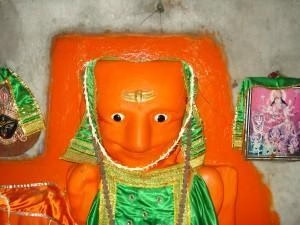
Bhairav-300x225, Unmat Bhairav Temple, Varanasi

Introduction & Spiritual Essence

In the eternal tapestry of Kashi (Varanasi), the divine manifests in potent, protective forms. The Unmat Bhairav Temple stands as a sentinel of spiritual energy, dedicated to one of the eight fierce yet benevolent forms of Bhairav. Located in the spiritual hinterlands of Deora Village, this temple is an essential stop on the sacred Panchkroshi Yatra, the ancient circumambulation path encircling Varanasi.

The Deity: Unmat Bhairav

The primary deity is Unmat Bhairav, a manifestation of Lord Shiva. In the Kashi Khand (Chapter 72) of the Skanda Purana, it is revealed that after Goddess Durga vanquished the demon Durgasur, she established nine Shaktis to protect the holy city. Simultaneously, eight forms of Bhairav were positioned to guard the directions and souls of Kashi.

Phalaśruti (Spiritual Benefit):
According to ancient texts, devotees who worship the Bhairavas of Kashi develop a strong mental framework and immense courage. Specifically, worshipping Unmat Bhairav is believed to cleanse ancestral karma and protect the devotee from unseen evils and planetary afflictions (graha dosha). Devotees seek his blessings for mental peace, prosperity, and the fortitude to navigate life’s challenges.

Historical Origins & Scriptural Legend

While specific inscriptional dates for the original construction are lost to the mists of time—typical of many shrines in Varanasi—this temple is deeply rooted in the scriptural history of the region.

See also  Vasukeeshwar Temple Varanasi: History, Darshan Timings & Nag Dosh Remedy

The Legend of the Guardian

Tradition holds that the eight Bhairavas of Kashi represent different cosmic aspects. Unmat Bhairav is associated with the removal of ignorance and the awakening of the higher self (Unmat means ‘high-spirited’ or ‘intoxicated with divine love’).

Located on the Panchkroshi Marg, the temple has been a waypoint for pilgrims performing the 10-day circumambulation of Varanasi for millennia. Though the current structure has undergone renovations over the centuries to preserve its sanctity, the spiritual vibration of the site remains unchanged and is cited in regional folklore as a site of intense tantric and meditative practices.

Architectural Marvels

The Unmat Bhairav Temple exhibits a blend of traditional North Indian temple architecture with strong regional influences.

  • Style: The temple structure follows the Nagara style of temple architecture, though local folk artistry introduces elements reminiscent of Dravidian aesthetics (as noted in local records), particularly in the ornate pillars and the base plinth (Adhisthana).
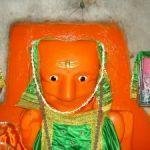
  • Sanctum Sanctorum (Garbhagriha): The inner sanctum houses the Swayambhu (self-manifested) idol of Unmat Bhairav. Unlike the standing Bhairav statues found elsewhere, he is often depicted seated in a contemplative or fierce posture, adorned with a garland of skulls (Kapala Mala) and accompanied by his vahana, the dog.
  • Sculpture: The walls feature intricate carvings depicting scenes from the Kashi Khand and motifs of nature, showcasing the craftsmanship of local artisans from the late medieval period.

Darshan & Ritual Logistics

Timings for temples in Varanasi, especially those on the outskirts like Deora, can vary slightly by season. Below is the standard schedule for 2026.

Pooja / RitualTiming (IST)Notes
Morning Darshan06:00 AM – 12:00 PMBest time for peaceful darshan
Midday Break12:00 PM – 03:00 PMSanctum closed for rituals
Evening Darshan03:00 PM – 08:00 PMIncludes Aarti timings
Shayan Aarti08:00 PMConcluding ritual of the day

Key Sevas & Online Booking

Devotees can perform various Sevas (services) to the deity. While this temple retains a rustic, rural charm, coordination for special pujas is often handled through local priests.

  • Abhishekam: Ritual bathing of the deity (usually performed on Mondays and during the month of Shravan).
  • Archana: Recitation of the 108 names of Bhairav.
  • Bhairav Havan: Fire ritual for protection (requires prior booking).
See also  Asha Vinayak Temple Varanasi: History, Darshan Timings & Guide

Online Booking: While the Unmat Bhairav Temple operates largely on a local level, devotees can book general Sevas for the wider Panchkroshi Yatra temples via the official Varanasi Temple Development Board portal (anticipated launch of unified booking in 2026).

Major Festivals in 2026

  • Maha Shivaratri (February 26, 2026): Massive influx of devotees; the temple is decorated with lights and flowers.
  • Caursi Kal Bhairav Jayanti (November 15, 2026): Celebrating the birth of Bhairav.
  • Dev Deepawali (November 5, 2026): Occurring 15 days after Diwali, the steps of the Ghat and temple areas are lit with earthen lamps.

Practical Visitor Guidance

Because the temple is located in Deora Village, on the Panchkroshi Marg, the environment is more rustic than the crowded ghats of central Varanasi.

  • Dress Code: Traditional attire is recommended. Men should wear dhoti/kurta or long pants; women should wear saree/salwar kameez. Modesty is strictly respected.
  • Photography: Photography inside the sanctum sanctorum is strictly prohibited. External photography is allowed but maintain silence.
  • Mobile Lockers: There are no high-tech locker facilities here. It is advisable to carry minimal belongings. Small bags are inspected.
  • Crowd Management: Weekends and Mondays see higher footfall. The best time to visit is early morning (6:00 AM – 8:00 AM).
  • Seasonal Advice: Summers (April-June) in Varanasi are extremely hot; carry water and a head covering. Winters (Dec-Jan) are foggy but pleasant.

Pilgrimage Connectivity

How to Reach Unmat Bhairav Temple

The temple is situated approximately 10 km from Dashashwamedh Ghat.

  • Road: Accessible via the Panchkroshi Marg. From Varanasi City, head towards Ramnagar and follow the signage for Deora Village. Auto-rickshaws and taxis are easily available from the Cantt railway station area.
  • Nearest Railway Station: Varanasi Junction (BSB) – 12 km.
  • Nearest Airport: Lal Bahadur Shastri International Airport (VNS) – 25 km.
See also  Jyoti Rupeshwar Temple Varanasi: History, Darshan Timings & Guide

Nearby Sacred Sites (Pilgrimage Circuit)

Since this temple is part of the Panchkroshi Yatra, you can easily combine visits with:

  1. Kapilashram Temple: Located near Deora, known for its connection to Sage Kapila.
  2. Bhuteshwar Mahadev Temple: Another powerful Jyotirlinga manifestation located along the Panchkroshi route.
  3. Sankat Mochan Hanuman Temple: Located centrally in Varanasi, dedicated to alleviating troubles.

Frequently Asked Questions (FAQ)

1. Is there a VIP Darshan entry at Unmat Bhairav Temple?

Given the rural setting of the temple in Deora, there is no formal VIP ticket system. However, donations to the temple trust can expedite the process during peak hours. Prior contact with the local priest is recommended for large groups.

2. What is the best way to book Seva for Bhairav?

For specific Sevas like Abhishekam, it is best to arrive early in the morning and speak with the head priest (Pujari) at the temple. For wider Varanasi temple bookings, check the UP Tourism website closer to your travel date in 2026.

3. Is the temple accessible for elderly devotees?

The temple is on ground level with a small flight of stairs (approx 5-7 steps). It is relatively accessible compared to mountain temples, but wheelchairs may need assistance. Auto-rickshaws can get close to the entrance.

4. Why are there so many Bhairavas in Varanasi?

According to the Kashi Khand, eight Bhairavas were created by the Goddess to guard the perimeters of Kashi. Each protects devotees from specific evils and governs different cosmic directions.

5. Can non-Hindus visit the temple?

While Varanasi is open to all, the inner sanctum of some specific temples, particularly those managing local traditions, may restrict entry based on the guidelines of the managing committee. It is advisable to check locally or view from the courtyard.

Photo Gallery

Contact Details

For inquiries regarding the Panchkroshi Yatra and temple timings:

  • Location: Deora Village, Panchkroshi Marg, Varanasi, Uttar Pradesh.
  • Contact: Local Temple Committee (Information available at the Panchkroshi Yatra information center in Varanasi).

Recent Posts

कथा ये है महाराज मेरे की – Lyrics & Meaning

कथा ये है महाराज मेरे की छत्रपति संभाजी महाराज – A Prayer to Chhatrapati Sambhaji Maharaj Origin & Spiritual Essence Why This Bhajan Resonates Devotees chant this when their spirit feels tested—its powerful refrain “महाराज मेरे” is a soul’s…

Mere Satguru Ne Di Thi Davai Lyrics in Hindi & Meaning

Mere Satguru Ne Di Thi Davai: Invoking the Guru’s Liberating Wisdom This soul-stirring bhajan venerates the Satguru (True Spiritual Master) as the divine physician who dispenses the only remedy for life’s deepest sufferings. Composed by Sant Karmaveer Tufani, it…

Janm Diyo Thari Maa Dukh Dekhiyo Lyrics in Hindi & Meaning

जन्म दियो थारी माँ दुख देखियो (Maa’s Grief Upon Birthing You) This soul-stirring Chetavani Bhajan (admonitory hymn) is addressed to the Divine Mother (Maa) – a call for repentance when children forget their filial duties in the dark age…