Vada Theerthanathar Temple History & Darshan Timings | Andanallur Trichy
Receive daily temple updates, divine darshan, and morning bhajans directly on WhatsApp.
Contents
- 1 Introduction & Spiritual Essence
- 2 Historical Origins & Scriptural Legend
- 3 Architectural Marvels
- 4 Darshan & Ritual Logistics (2026 Guide)
- 5 Practical Visitor Guidance
- 6 Pilgrimage Connectivity
Introduction & Spiritual Essence
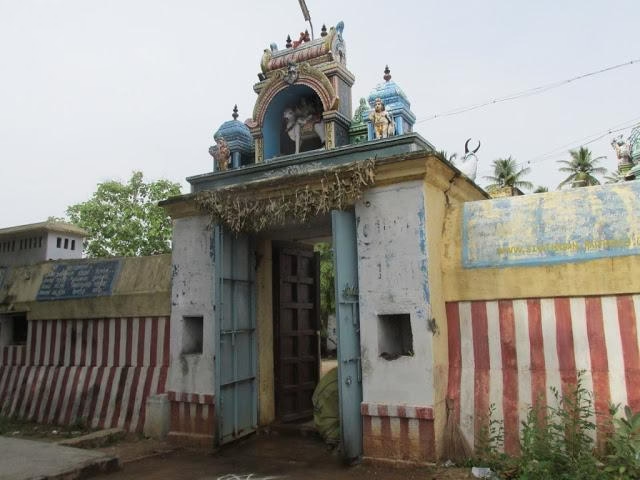
Nestled in the tranquil village of Andanallur, just outside the bustling city of Trichy, stands the Vada Theerthanathar Temple, a timeless sanctuary dedicated to Lord Shiva. Known locally as the Thiru Alandurai Mahadevar Temple, this shrine is a jewel of spiritual heritage in Tamil Nadu. The temple is revered as a Thevara Vaippu Sthalam, finding mention in the 6th–8th century CE Tevaram hymns sung by the Nayanar saints.
Phalaśruti (Spiritual Benefits): Devotees flock to Vada Theerthanathar Temple seeking liberation from sins and the dissolution of ancestral karma. It is believed that performing rituals here grants mental peace, longevity, and spiritual awakening. The presiding deity, Vada Theerthanathar (the Lord of the Sacred River), and the consort Alagupura Nayagi (also referred to as Periyanayagi) bestow blessings upon childless couples and those seeking relief from planetary afflictions.
Historical Origins & Scriptural Legend
Chronology and Builders:
According to temple records and archaeological evidence, the structural foundation of this granite temple was laid by the revered Chola king Parantaka Chola I in the 9th century CE. Over the centuries, the temple received significant patronage from Rajaraja Chola I, who inscribed endowments and land grants on the temple walls. The Pandya dynasty, specifically King Vira Pandya, also contributed to its expansion. Later, the Hoysala king Sri Krishna Veera Vallalar and the Nayak rulers further renovated the mandapas and added intricate sculptures.
Scriptural & Local Legend:
The village was historically known as Andavanallur or Alanthurai. According to the Periyapuranam, the hagiography of the Saiva saints, this site was a hotspot of spiritual activity long before the current structure was built. Legend holds that the place was originally a dense forest of Anda trees. Lord Shiva is said to have manifested here to bless the celestial beings (Devas) and sages who performed intense penance. The name “Vada Theerthanathar” translates to “The Lord of the Northern Sacred River,” linking it to puranic cosmology where the Ganges is believed to flow through this site.
📖 Related: Saatchi Boodeshwarar Temple: History, Darshan Timings & Guide
Architectural Marvels
The Vada Theerthanathar Temple is a classic example of the Dravidian architectural style, specifically the Chola-Nayak transitional phase. The temple faces east and features a modest but aesthetically pleasing Rajagopuram (entrance tower).
- The Sanctum (Garbhagriha): The inner sanctum houses the Swayambhu (self-manifested) lingam of Vada Theerthanathar, which is slightly elongated and anointed daily with holy water.
- Mandapas: The temple boasts a spacious Maha Mandapa and a Natya Mandapa (dance hall) featuring carved pillars depicting various Asanas (seated postures) and miniature sculptures of deities.
- Bas-reliefs: The outer walls of the sanctum feature niches housing sculptures of Ardhanarishvara and Bikshadanar, showcasing the finesse of medieval artisans.
Heritage Status: While not a UNESCO site, this temple is protected by the Hindu Religious and Charitable Endowments (HR&CE) Department of Tamil Nadu and is classified as a Protected Monument due to its inscriptions and historical significance.
Darshan & Ritual Logistics (2026 Guide)
Planning your visit requires an understanding of the daily rituals and annual festivals. The priests (Sivacharyas) conduct six Kalas of worship daily.
| Ritual / Darshan Type | Timings | Booking Mode |
|---|---|---|
| Temple Opening | 06:00 AM | – |
| Morning Abhishekam | 06:30 AM – 08:00 AM | Online / On-site |
| Midday Pooja | 12:00 PM – 01:00 PM | Walk-in |
| Evening Darshan | 04:30 PM – 06:00 PM | Walk-in |
| Night Arthajama Pooja | 07:00 PM – 08:00 PM | Walk-in |
| Closure | 08:00 PM | – |
Online Seva Booking: Most daily pujas can be booked via the official Tamil Nadu HR&CE portal (temple.tn.gov.in). Specific slots for Abhishekam open 30 days in advance.
2026 Major Festivals
- Pradosham: Every Monday and Saturday (most auspicious for Shiva devotees).
- Maha Shivaratri (Feb 26, 2026): A night-long vigil with special Archana and Deepa Aradhana.
- Arudra Darshanam (Jan 04, 2026): Celebrating the cosmic dance of Shiva.
- Skanda Shashti (Nov 04, 2026): Dedicated to Lord Murugan, celebrated with grand processions.
📖 Related: Tiruparankundram Temple History and Darshan Timings: The Celestial Wedding Abode
Practical Visitor Guidance
To ensure a serene experience, adhere to the following guidelines:
- Dress Code: Traditional attire is mandatory. Men should wear dhotis or formal trousers with shirts; women should wear sarees, half-sarees, or salwar kameez. Avoid shorts and sleeveless tops.
- Photography & Mobiles: Photography is strictly prohibited inside the sanctum. Electronic devices must be silenced. There are no mobile lockers, so it is advisable to travel light.
- Crowd Management: The temple is relatively peaceful on weekdays. Weekends and Pradosham days see a moderate influx. The best time for a relaxed Darshan is between 9:00 AM and 11:00 AM.
- Accessibility: The temple has basic accessibility. Wheelchairs may not be available on-site, so personal assistance is recommended for senior citizens.
- Seasonal Advice: During the summer months (April–June), temperatures in Trichy can soar above 38°C. Carry water and protective headgear.
Pilgrimage Connectivity
How to Reach:
The temple is strategically located on the Trichy–Karur route (NH 38/NH 44 intersection area).
- By Air: The nearest airport is Trichy International Airport (TRZ), approximately 24 km away.
- By Rail: The nearest railway station is Jeeyapuram (1 km from the temple). Trichy Junction (TPJ) is 17 km away.
- By Road: The temple is 19 km from Trichy Central Bus Stand. Buses ply frequently towards Karur/Allur. Auto-rickshaws are available from Jeeyapuram station.
Nearby Sacred Sites (Pilgrimage Circuit):
- Thiruvarangulam (15 km): Famous for the Matangeshwarar Temple.
- Allur (3 km): Home to the Vayalur Murugan Temple.
- Srirangam (15 km): The massive Sri Ranganathaswamy Temple complex.
Frequently Asked Questions (FAQ)
1. Is there a VIP darshan entry at Vada Theerthanathar Temple?
Currently, the temple does not have a specific paid VIP entry system. However, donors who contribute significantly to temple development may be accorded special privileges by contacting the executive officer at the temple office.
📖 Related: Valli Temple, Palani: Legend, Darshan Timings & Complete Pilgrimage Guide
2. What is the significance of the name ‘Vada Theerthanathar’?
The name translates to “Lord of the Northern Sacred Waters.” It signifies the belief that the holy rivers of the north are present in the groundwater here, making the lingam sacred for ritual bathing.
3. Is Non-Veg food allowed inside the temple?
No. This is a strict Hindu temple. Devotees are expected to be vegetarian before entering. Alcohol and meat are strictly prohibited within the temple precincts.
4. Can we perform rituals for the deceased (Mritika)?
Yes, the temple is conducive for ancestral rites. It is recommended to consult the temple priest for specific Tharpana rituals, usually performed on Amavasya (New Moon) days.
5. What is the contact number for the temple office?
As the phone number is dynamic, visitors are advised to contact the Trichy HR&CE Division Office or visit the official Tamil Nadu Temples website for the latest direct contact details.