Vanmeeganathar Temple Kanchipuram: History, Darshan Timings & Guide
Receive daily temple updates, divine darshan, and morning bhajans directly on WhatsApp.
Contents
- 1 Vanmeeganathar Temple Kanchipuram: The Definitive Pilgrimage Guide
- 1.1 1. Introduction & Spiritual Essence
- 1.2 2. Historical Origins & Scriptural Legend
- 1.3 3. Architectural Marvels
- 1.4 4. Darshan & Ritual Logistics (2026 Schedule)
- 1.5 5. Practical Visitor Guidance
- 1.6 6. Pilgrimage Connectivity
- 1.7 7. Frequently Asked Questions (FAQ)
- 1.8 Photo Gallery
- 1.9 Contact Details
Vanmeeganathar Temple Kanchipuram: The Definitive Pilgrimage Guide
In the ancient temple city of Kanchipuram, where stone and spirituality converge, lies the Vanmeeganathar Temple. A hidden gem nestled in Pillaiyarpalayam, this sanctum is a testament to the profound history of Tamil Shaivism and the patronage of the sage Valmiki. This 1,500-word guide, curated by bharattemples.com, serves as your spiritual roadmap for 2026 and beyond.
1. Introduction & Spiritual Essence
Primary Deity: The temple houses the Vanmeeganathar (a form of Lord Shiva) as the presiding deity. The Amman (consort) here is known as Periyanayagi (or Vadivudai Nayagi in some local records).
Form: The Shiva Lingam is a Swayambhu (self-manifested) idol, which is highly revered in Shaivite tradition. The name “Vanmeeganathar” translates to “The Lord of the Vedic Ways,” signifying the divine order of creation and preservation.
Phalaśruti: The Boon of Visiting
Devotees flock to this temple to seek blessings for:
- Cleansing Ancestral Karma: It is believed that prayers offered here help resolve ancestral issues and pitru doshas.
- Removal of Sins: The temple is associated with the Gajagiri (elephant-hill) legend, where cleansing of sins is promised to those who perform abhishekam.
- Knowledge & Education: As the temple is linked to Sage Valmiki (the author of the Ramayana), students and scholars visit to seek clarity of mind.
📖 Related: Seval Vilrutham Temple Palani: History, Darshan Timings & Guide
2. Historical Origins & Scriptural Legend
Scriptural Legend: The Valmiki Connection
According to local tradition and the Sthala Purana, this temple holds a unique distinction. It is said that Sage Valmiki, the author of the epic Ramayana, worshipped the Shiva Lingam at this site. Kanchipuram was historically known as a hub for Rishis (sages), and this specific linga was meditated upon by Valmiki himself.
The term “Vanmeeganathar” is also interpreted by some scholars as “The Lord of the Vedic Chants,” linking it to the ancient oral traditions of the Vedas preserved in the region.
Architectural Heritage
While specific records of the founding dynasty are sparse, the architecture strongly suggests origins in the Pallava period (6th–9th century CE), with later additions during the Chola and Vijayanagara eras. The architectural motifs and the construction of the Vimana (tower above the sanctum) exhibit classic Pallava styles, characterized by intricate carvings and sturdy granite structures. Renovations have been carried out by local trusts to preserve the sanctity of the shrine.
3. Architectural Marvels
The Vanmeeganathar Temple is a quintessential example of Dravidian Architecture. The complex is compact yet spiritually expansive.
Vastu Shastra and Layout
The temple follows the traditional Dravida style of Vastu. The sanctum (Garbhagriha) is oriented to allow natural light to illuminate the Swayambhu Lingam during specific solar events.
- The Vimana: The tower over the sanctum is decorated with Kalasas (sacred pot structures) and intricate Murthies (idols) of deities.
- Mandapas: The temple features a Maha Mandapa and a Ardha Mandapa. The pillars in the assembly hall are adorned with sculptures of Dwarapalakas (guardians) and mythological scenes from the Puranas.
- Presiding Deity: The Vanmeeganathar Lingam is unique in its formation, believed to be a natural geological formation sanctified by worship.
4. Darshan & Ritual Logistics (2026 Schedule)
To ensure a smooth darshan experience, devotees are encouraged to plan their visit based on the following timetables. Note that timings may vary slightly during festival seasons.
Daily Temple Timings
| Session | Timing | Activity |
|---|---|---|
| Morning | 6:00 AM – 11:00 AM | Morning Abhishekam & General Darshan |
| Afternoon | 11:00 AM – 4:30 PM | Temple Closed (Rest period for the Deity) |
| Evening | 4:30 PM – 8:30 PM | Deeparadhana & Evening Puja |
📖 Related: Vaitheeswaran Koil Temple History, Darshan Timings & Guide 2026
Key Sevas & Online Booking
Most rituals at this temple are managed by the local administration. However, for specific sevas:
- Abhishekam: Performed with milk, honey, and sandalwood paste. Best performed on Mondays.
- Archana: Recitation of names. Available for individual or family welfare.
- Online Seva: While this is a heritage site, the HR&CE Department of Tamil Nadu manages online bookings for many Kanchipuram temples. Check the official portal tnezhuthalai.tnhrce.org for Vanmeeganathar Temple availability or visit the temple office.
2026 Major Festival Dates
- Arudra Darshanam: January 12, 2026 (Celebrating Lord Nataraja, a significant event for Shiva temples).
- Maha Shivaratri: February 26, 2026 (Overnight vigil and special abhishekam).
- Pradosham: Occurs twice monthly (13th and 28th of every month).
- Key dates: March 13, March 28, July 10, July 25.
- Navaratri: September 22 – October 1, 2026 (Dedicated to Amman Periyanayagi).
5. Practical Visitor Guidance
Visiting Kanchipuram requires preparation, especially during peak pilgrimage seasons.
Dress Code & Etiquette
- Attire: Traditional Indian wear is preferred. Men should wear dhotis or trousers with shirts; women should wear sarees, salwars, or full-length dresses. Avoid shorts and sleeveless tops.
- Photography: Photography is strictly prohibited inside the Garbhagriha (sanctum). Photography in the outer precincts may be allowed, but seek permission from the temple priest.
- Mobile Lockers: Due to the temple’s compact size, large bags and electronic items are usually restricted. Utilize designated storage facilities in the vicinity or leave valuables in your vehicle.
Crowd Management & Best Hours
The temple is located in a semi-rural area (Pillaiyarpalayam) but attracts locals and pilgrims.
- Best Time to Visit: Weekday mornings (7:00 AM – 9:00 AM) offer the most peaceful darshan.
- Seasonal Advice:
- Summer (April–June): Temperatures in Kanchipuram can exceed 40°C. Carry a water bottle and head covering.
- Monsoon (October–December): Light rain gear is advised; the temple courtyard can become slippery.
6. Pilgrimage Connectivity
How to Reach Vanmeeganathar Temple
The temple is situated in Pillaiyarpalayam, a locality in Kanchipuram district.
- By Air: The nearest airport is Chennai International Airport (MAA), approximately 70 km away. From there, hire a taxi via the NH48 (Bangalore Highway).
- By Rail: The nearest major railway junction is Kanchipuram Railway Station (10-15 mins from the temple). Alternatively, Chengalpattu Junction is a nearby major stop.
- By Road: Located on the Kanchipuram-Pillaiyarpalayam main road. It connects easily via the NH 48 (connecting Chennai to Bangalore) and State Highway 115.
📖 Related: Vaitheeswaran Temple History and Darshan Timings | Pillaipakkam, Kanchipuram
Nearby Sacred Sites (Pilgrimage Circuit)
Maximize your spiritual journey by visiting these nearby temples:
- Ekambareswarar Temple (Kanchipuram): The largest Shiva temple in the city, representing the element of Earth.
- Kamakshi Amman Temple: A premier Shakti Peetham located just a few kilometers away.
- Ulagalandha Perumal Temple: Dedicated to Lord Vishnu in his Vamana (dwarf) avatar, located in the same district.
7. Frequently Asked Questions (FAQ)
Is there a VIP Darshan entry at Vanmeeganathar Temple?
As this is a heritage temple managed by the local administration rather than a large corporate trust, VIP darshan entry is not typically formalized. However, devotees can purchase special tickets for Archana or Abhishekam which allow for closer access to the deity.
What is the significance of the name “Vanmeeganathar”?
The name is deeply rooted in Tamil Shaivism. “Vanmee” implies the celestial path or the Vedic way. It honors the lord who provides the spiritual path (the vanmee) for devotees to walk upon.
Are there accommodation facilities near the temple?
While Pillaiyarpalayam has limited guest houses, the main city of Kanchipuram (10-15 minutes drive) offers numerous hotels, guest houses, and choultries (rest houses) ranging from budget to premium. Booking in advance is recommended during festival seasons.
Is the temple accessible for senior citizens and differently-abled visitors?
The temple has a flat layout in the outer courtyard. However, the sanctum may require climbing a few steps. The temple trust has made provisions for wheelchair access in the peripheral areas, but assistance might be required to enter the main shrine. It is advisable to contact the temple office beforehand.
Photo Gallery
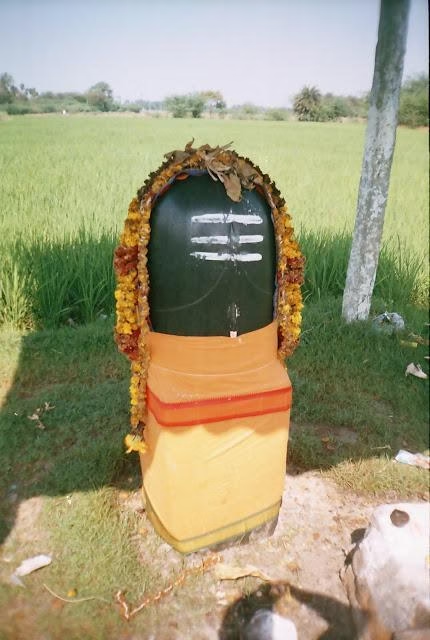
Experience the divine aura through our curated visual journey. The gallery below showcases the Dravidian architecture, the lush surroundings of Pillaiyarpalayam, and the spiritual vibrancy of the rituals.
r001-016, Vanmeeganathar Temple, Kanchipuram
Contact Details
Official Address:
Vanmeeganathar Temple,
Pillaiyarpalayam, Kanchipuram District,
Tamil Nadu, India.
Note: For the latest information, it is recommended to contact the Kanchipuram Temple Priests or the local HR&CE office.