

Contents
- 1 Subarnameru Temple: A Definitive Pilgrimage Guide to the Second Varanasi
Subarnameru Temple: A Definitive Pilgrimage Guide to the Second Varanasi
By the Lead Heritage Architect & SEO Strategist at BharatTemples.com
Welcome to the Subarnameru Temple, a profound spiritual anchor nestled in the historic town of Sonepur, Subarnapur District, Odisha. Revered as the “Second Varanasi of India,” this ancient shrine stands majestically on the banks of the sacred Tel River, embodying the timeless essence of Sanatana Dharma. Whether you are a pilgrim seeking the blessings of Lord Shiva or an architecture enthusiast exploring the Kalinga style, this guide is engineered to deepen your understanding and facilitate your visit.
Introduction & Spiritual Essence
The Subarnameru Temple is a beacon of devotion dedicated to Lord Shiva (in the form of a Swayambhu Lingam). The name “Subarnameru” itself invokes imagery of divine prosperity, translating loosely to the “Golden Meru (Mountain).” It is a site where the divine and the earthly converge, offering a sanctuary for the soul.
The Phalaśruti: Why Devotees Visit
According to temple records and local tradition, a visit to Subarnameru carries immense spiritual merit (Phalaśruti). Devotees believe that:
- Resolution of Ancestral Karma: Performing rituals here is believed to help ancestors attain Moksha (liberation), particularly during the holy month of Kartik.
- Fulfillment of Wishes: As a Siddh Peeth, the temple is renowned for granting the sincere prayers of childless couples and those seeking relief from prolonged ailments.
- Inner Peace: The specific vibration of the Swayambhu Lingam, combined with the flowing Tel River, creates a potent environment for meditation and mental clarity.
Historical Origins & Scriptural Legend
The history of Subarnameru is woven with threads of folklore and archaeological significance.
The Legend of the Golden Rain
The etymology of Sonepur (Subarnapur) is linked to a miraculous event. Tradition holds that a devout widow, struggling with poverty and societal neglect, prayed fervently to Lord Shiva at this site. Pleased by her devotion, the Lord showered a rain of gold coins (Suvarna Varna), transforming the region into a land of prosperity and giving it the name Subarnapur.
Archaeological & Historical Context
While precise architectural dating varies, the temple complex is historically significant, reflecting the glory of the Chauhan Dynasty that ruled this region. The structural design aligns with ancient Vastu Shastra principles, oriented to capture the first rays of the sun on the sanctum. While the central shrine is ancient, the surrounding structures and intricate carvings bear the marks of restoration efforts through the centuries, preserving the sanctity of the original Swayambhu form.
Architectural Marvels
The Subarnameru Temple is a masterpiece of Kalinga Architecture, a distinct style that evolved in Odisha and is celebrated globally for its intricate stone carvings and towering spires.
Style and Structure
The temple follows the Panchakuta (five sanctums) style, though the primary focus remains the sanctum sanctorum (Garbhagriha). The Shikhara (tower) rises gracefully towards the sky, symbolizing the bridge between earth and heaven. Unlike the Nagara style of North India or the Dravida of the South, the Kalinga style here features curvilinear towers that are distinct and visually stunning.
Notable Sculptures and Vastu Elements
The outer walls are adorned with sculptures depicting various forms of Shiva and scenes from Hindu mythology. The temple complex is designed according to Vastu Shastra, ensuring that the energy flow is balanced. The placement of the Mandapa (pillared hall) allows for large congregations during festivals while maintaining the sanctity of the inner sanctum.
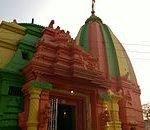
Visual Documentation: To fully appreciate the intricate carvings and the scenic beauty of the Tel River bank, view the official photo gallery below.

Darshan & Ritual Logistics (2026 Guide)
To ensure a seamless spiritual experience, we have compiled the daily schedules and key rituals. Please note that timings may vary slightly during festivals.
Daily Darshan Timings
| Session | Timing | Activity |
|---|---|---|
| Morning | 6:00 AM – 12:00 PM | Mangala Alati, Abhishekam, Regular Darshan |
| Afternoon | 12:00 PM – 4:00 PM | Temple remains closed (Sanctum cleaning) |
| Evening | 4:00 PM – 8:00 PM | Sandhya Alati, Bhog offering, Darshan |
Key Sevas and Online Booking
Devotees can book specific rituals to enhance their pilgrimage. While on-site booking is available, online seva booking is recommended for major festivals to avoid crowds.
- Abhishekam: Ritual bathing of the Shiva Lingam with water, milk, honey, and sandalwood. (Best time: Morning 7:00 AM).
- Archana: Recitation of names and hymns. (Available throughout open hours).
- Rudra Homam: A sacred fire ritual for removing obstacles. (Requires prior booking).
Booking Portal: Visit the official Odisha Temple Administration portal (likely under the Endowments Department) closer to your travel date for the 2026 interface.
Major 2026 Festival Dates
- Maha Shivaratri: February 26, 2026. (The temple remains open 24 hours; expect massive crowds).
- Kartik Purnima: November 5, 2026. (Celebrated with deep lighting and holy dips in the Tel River).
Practical Visitor Guidance
To respect the sanctity of the temple and ensure a safe visit, please adhere to the following guidelines.
Code of Conduct & Dress Code
Dress Code: Traditional attire is mandatory. Men should wear Dhoti or Kurta-Pajama; Women should wear Saree or Salwar Kameez. Western clothing (jeans, shorts) is strictly prohibited inside the sanctum.
Photography & Electronic Devices
Photography is strictly prohibited inside the sanctum sanctorum. Mobile phones and cameras are allowed in the outer premises but must be switched to silent mode. Locker facilities are generally available near the entrance for valuables.
Crowd Management & Accessibility
- Best Time to Visit: Early morning (6:00 AM) or late evening (6:00 PM) to avoid peak crowds. Weekdays are significantly quieter than weekends.
- Seasonal Advice: Odisha summers (April–June) are extremely hot. Carry a water bottle, an umbrella, and wear light cotton fabrics. The monsoon (July–Sept) brings heavy rains; check local travel advisories.
- Accessibility: The outer complex is accessible for wheelchairs, though the inner sanctum has traditional steps. Assistants or family members may be required to help navigate these areas.
Pilgrimage Connectivity
How to Reach Subarnapur
The Subarnameru Temple is located in the heart of Sonepur town, Subarnapur District, Odisha.
- By Air: The nearest airport is Veer Surendra Sai Airport (Jharsuguda), approximately 120 km away. Bhubaneswar Airport is approximately 250 km away.
- By Rail: The nearest major railway station is Rairakhol (approx. 30 km) or Bargarh Road (approx. 60 km). From there, taxi services are readily available.
- By Road: Sonepur is well-connected via State Highway 10 (SH-10) and National Highway 53 (NH-53). Regular bus services operate from Bargarh, Sambalpur, and Balangir.
Nearby Sacred Sites
Extend your pilgrimage circuit with these nearby spiritual centers:
- Baladevjew Temple, Kendrapara: While a bit further, it is a major Odisha shrine. For closer options, visit the Gopinath Temple in Sonepur.
- Samaleswari Temple, Sambalpur: The presiding deity of Western Odisha, located on the banks of the Mahanadi (approx. 80 km).
- Deulajhari (Angul): If your route passes through Angul, visit this ancient hot spring complex dedicated to Lord Shiva.
Frequently Asked Questions (FAQ)
1. Is there a VIP Darshan entry at Subarnameru Temple?
Yes, the temple administration often facilitates a VIP entry lane for senior citizens, divyang (differently-abled) devotees, and those who have booked specific sevas online. However, during peak festivals like Shivaratri, VIP entries may be suspended to manage the crowd.
2. Can non-Hindus visit the temple?
Subarnameru is a traditional Hindu temple governed by local customs. Generally, entry is restricted to followers of Hinduism, Jainism, Buddhism, and Sikhism. Non-Hindu visitors should consult the temple office (Panda) before planning a visit.
3. Where can I stay near the temple?
Sonepur offers limited hotels and guest houses. For better accommodation options, visitors often stay in Bargarh or Sambalpur (approx. 1.5 to 2 hours drive) and visit the temple as a day trip.
4. What is the significance of the Tel River?
The Tel River is considered as holy as the Ganges in this region. Taking a dip in the Tel River before entering the Subarnameru Temple is believed to purify the devotee and make their prayers more potent.
5. Are there restaurants nearby?
Yes, there are local eateries around the temple complex serving traditional Odia vegetarian cuisine. However, for a wider variety, the main market area of Sonepur town is just a few minutes away.
Official Contact Details & Address
Temple Address:
Subarnameru Temple, Sonepur, Subarnapur District, Odisha, India.
Note: As specific contact numbers can change, we recommend contacting the local Subarnapur District Administration or the Odisha Tourism desk for the latest verified phone numbers before your visit.
Lead Heritage Architect & SEO Strategist, BharatTemples.com
With over 15 years of experience in Vastu Shastra and Digital Heritage Preservation, I am dedicated to documenting the sacred geography of Bharat. My mission is to ensure that every pilgrim finds their path with ease, blending ancient wisdom with modern logistics.
Recent Posts

Shri Kaamkoteeshwar Mandir, Varanasi – History & Significance
In the heart of Kashi, the eternal city of Lord Shiva, where the Ganges flows with celestial grace, stands the Shri Kaamkoteeshwar Mandir. This sacred Sannidhi is not merely a temple but a profound spiritual bridge between the Northern…

ओ सांवरे तूने ही मुझको संभाला – Lyrics & Meaning
ओ सांवरे तूने ही मुझको संभाला – A Prayer to Shyam Origin & Spiritual Essence Why This Bhajan Resonates Devotees chant this when overwhelmed by life’s storms—the refrain ‘तूने ही मुझको संभाला’ is the soul’s sigh of relief: “You…

कथा ये है महाराज मेरे की – Lyrics & Meaning
कथा ये है महाराज मेरे की छत्रपति संभाजी महाराज – A Prayer to Chhatrapati Sambhaji Maharaj Origin & Spiritual Essence Why This Bhajan Resonates Devotees chant this when their spirit feels tested—its powerful refrain “महाराज मेरे” is a soul’s…

Rigveda Samhita Yathartha Anuvada (ऋग्वेद संहिता यथार्थ अनुवाद) – Complete Set with Anvayartha & Hindi/English Translation
The Rigveda is the oldest surviving scripture of humanity and the foundational text of Sanātana Dharma. For serious students, scholars, UPSC aspirants studying ancient Indian history, Sanskrit learners, and spiritual seekers, a precise and grammatically structured translation is indispensable.…

आना भी अकेला है जाना भी अकेला है – Lyrics & Meaning | BharatTemples
आना भी अकेला है जाना भी अकेला है – A Prayer to the Divine Witness Origin & Spiritual Essence Why This Bhajan Resonates Devotees turn to this bhajan in moments of deep reflection—when life’s attachments begin to ache. The…

माता शेरावाली के द्वार जो भी जाता है – Lyrics & Meaning
माता शेरावाली के द्वार जो भी जाता है – A Prayer to Maa Sherawali Origin & Spiritual Essence Why This Bhajan Resonates Devotees turn to this bhajan in times of fear or uncertainty—its promise that no one leaves Maa’s…

मार लेना सपणी उबार लेणा भवरा – Lyrics & Meaning
मार लेना सपणी उबार लेणा भवरा – A Prayer to the Divine Beloved Origin & Spiritual Essence Why This Bhajan Resonates Devotees chant this in moments of deep vulnerability—its cry of “मार लेना सपणी, उबार लेणा भवरा” is the…

हमें श्याम सुंदर भरोसा तुम्हारा – Lyrics & Meaning
हमें श्याम सुंदर भरोसा तुम्हारा – A Prayer to Shyam Sundar Origin & Spiritual Essence Why This Bhajan Resonates Devotees chant this when feeling alone—its refrain ‘de do sahara’ is the soul’s cry for divine support. Lyrics in Hindi…

Mere Satguru Ne Di Thi Davai Lyrics in Hindi & Meaning
Mere Satguru Ne Di Thi Davai: Invoking the Guru’s Liberating Wisdom This soul-stirring bhajan venerates the Satguru (True Spiritual Master) as the divine physician who dispenses the only remedy for life’s deepest sufferings. Composed by Sant Karmaveer Tufani, it…

Janm Diyo Thari Maa Dukh Dekhiyo Lyrics in Hindi & Meaning
जन्म दियो थारी माँ दुख देखियो (Maa’s Grief Upon Birthing You) This soul-stirring Chetavani Bhajan (admonitory hymn) is addressed to the Divine Mother (Maa) – a call for repentance when children forget their filial duties in the dark age…