Arun Aditya Temple Varanasi: History, Timings & Complete Guide

Receive daily temple updates, divine darshan, and morning bhajans directly on WhatsApp.
Contents
- 1 Introduction & Spiritual Essence
- 2 Historical Origins & Scriptural Legend
- 3 Architectural Marvels
- 4 Darshan & Ritual Logistics
- 5 Practical Visitor Guidance
- 6 Pilgrimage Connectivity
- 7 Frequently Asked Questions (FAQ)
- 8 Contact Details
Introduction & Spiritual Essence
Hidden away from the bustling ghats of Varanasi lies a sanctuary of profound spiritual energy and mythological significance—the Arun Aditya Temple. Located at the sacred Trilochan Ghat, this temple is dedicated to Lord Arun Aditya, a unique form of the Sun God (Surya). Unlike the typical depiction of Surya driving a chariot across the heavens, Arun Aditya is venerated specifically as the charioteer of the Sun God and as the personification of the dawn.
According to the sacred Kashi Khand (Chapter 51) of the Skanda Purana, this temple is one of the most powerful sites for overcoming obstacles and poverty. The primary deity is a Swayambhu (self-manifested) idol, revered as the granter of relief from chronic illnesses and the remover of despair. Devotees flock here to seek blessings for a life free from misery, grounded in the belief that worshipping Arun Aditya in Kashi ensures that sadness and poverty remain distant.
Phalaśruti: The Benefits of Worship
The spiritual potency of this shrine is described vividly in ancient scriptures. The Kashi Khand articulates the Phalaśruti (benefits) of worshipping Arun Aditya:
- Health and Vitality: It is believed that a devotee who worships here with true devotion will never suffer from illness.
- Removal of Obstacles: The deity blesses devotees with a smooth path in life, removing hurdles in personal and professional endeavors.
- Ancestral Karma: Offering prayers here is believed to cleanse negative ancestral karma, bringing peace to the lineage.
- Freedom from Misery: The presiding deity grants a life devoid of misery and mental anguish.
Historical Origins & Scriptural Legend
The history of the Arun Aditya Temple is deeply intertwined with the rich tapestry of Hindu mythology and the oral traditions of Varanasi.
The Legend of Arun and Vinata
According to the Skanda Purana, the story begins with Sage Kashyap and his wives, Kadru and Vinata. While Kadru bore the Naga race (serpents), Vinata gave birth to three offspring: the Owl, Garuda, and Arun. The first two were born from eggs. Vinata, in her eagerness for the second egg to hatch, committed an act of impatience. Unable to bear the wait, she broke the egg prematurely.
📖 Related: Kaholeshwar Temple Varanasi: History, Darshan Timings & Complete Guide
From this broken egg emerged a being fully formed from the waist upwards, but with the lower body still incomplete. This child was the Udayan (rising) aspect of the Sun—Arun. Furious at his mother’s impatience, which left him physically deformed, Arun cursed Vinata to become a slave to the sons of Kadru. Realizing her mistake, Vinata pleaded for mercy. Arun, taking pity, promised that the third child (Garuda) would eventually free her. He then set out on a penance to rid himself of his deformity.
The Divine Blessing
Tradition holds that Arun performed severe austerities in the forests of Kashi (Varanasi) to seek the grace of the Surya Mandalas. Pleased by his devotion, Lord Surya appeared before him. The Sun God blessed Arun, bestowing upon him the role of his eternal charioteer. Lord Surya proclaimed that any devotee who worshipped Arun in the form of Arun Aditya in Kashi would be granted freedom from sorrow and poverty. Thus, the temple stands as a testament to the power of perseverance and divine grace.
Architectural Marvels
While specific historical records regarding the exact date of construction and dynastic builders of the Arun Aditya Temple are sparse, the structure is a prime example of the indigenous temple architecture found along the ghats of Varanasi.
Dravidian Influence and Vastu Shastra
The temple exhibits distinct elements of Dravidian architecture, characterized by pyramidal towers and ornate gateways, blended seamlessly with the Nagara style typical of the North Indian riverbanks. The sanctum sanctorum (Garbhagriha) is designed according to Vastu Shastra principles, aligning the energy flow toward the central idol.
The Sanctum and Sculptures
The inner sanctum houses the revered idol of Arun Aditya. Unlike the radiant, multi-armed depictions of Surya, the idol here portrays the deity in a serene, seated posture, often depicted holding a water pot (Kamandalu) and a rosary, symbolizing contemplation and nourishment. The walls of the temple feature intricate carvings depicting scenes from the Kashi Khand, though much of the exterior has been re-plastered over centuries of worship.
The temple is located within the complex of the Trilochaneshwar Temple, adding to its architectural grandeur. The sanctity of the location is amplified by its proximity to the Ganges, where the ghats act as open-air mandapas.
Darshan & Ritual Logistics
To ensure a smooth spiritual experience, devotees should be aware of the timings and specific sevas offered at the temple. Please note that these timings are based on standard temple schedules for Varanasi temples.
📖 Related: Bharabhooteshwar Temple, Varanasi: History, Darshan Timings & Legends
Daily Timings
| Session | Timings | Details |
|---|---|---|
| Morning Darshan | 06:00 AM – 12:00 PM | Best time for a peaceful darshan. |
| Evening Darshan | 04:00 PM – 09:00 PM | Includes evening Aarti and rituals. |
| Midday Break | 12:00 PM – 04:00 PM | Sanctum may remain closed or restricted. |
Key Sevas and Online Booking
The temple follows traditional Vedic rituals. While Arun Aditya is a niche deity within the larger Varanasi ecosystem, standard Vedic rituals are performed.
- Abhishekam: Ritual bathing of the deity with water, milk, and honey (usually performed during morning hours).
- Archana: Recitation of hymns dedicated to Arun and Surya.
- Online Seva Booking: While specific online portals for Arun Aditya temple may not exist due to its smaller size, bookings can often be coordinated through the Kashi Vishwanath Temple Trust board or by contacting the local administration directly.
2026 Festival Dates
Special pujas are conducted during key solar events:
- Makar Sankranti (Jan 14, 2026): A major celebration honoring Surya and Arun.
- Ratha Saptami (Feb 4, 2026): Celebrated as the day Lord Surya turns his chariot (driven by Arun) northwards.
- Chhath Puja (Oct 25-28, 2026): Although primarily celebrated on riverbanks, the temple sees heightened footfall as Arun is the charioteer of the Sun God.
Practical Visitor Guidance
Visiting Varanasi requires preparation, especially when navigating the narrow lanes leading to the ghats.
Dress Code and Etiquette
Visitors must dress modestly. Traditional Indian attire (dhoti/kurta for men, saree/salwar kameez for women) is recommended. Western attire should cover shoulders and knees. Footwear must be left at the designated stands outside the temple premises.
Photography and Electronics
Strictly prohibited inside the sanctum. Photography of the idol is generally discouraged. Many temples in Varanasi require mobile phones to be switched off or kept in silent mode. There are no dedicated mobile lockers at this specific small shrine, so it is advisable to carry minimal belongings.
Crowd Management and Accessibility
- Best Hours: Visit between 6:00 AM and 9:00 AM for a serene experience. The ghats are less crowded, and the morning breeze is refreshing.
- Seasonal Advice: Summers (April–June) in Varanasi are extremely hot; carry a water bottle and cover your head. Winters (Nov–Feb) are pleasant but foggy early in the morning.
- Accessibility: The temple is located on Trilochan Ghat. Access involves walking down stairs from the road or via the river steps. It is not wheelchair accessible.
Pilgrimage Connectivity
The Arun Aditya Temple is situated in the heart of Varanasi, making it accessible via various modes of transport.
How to Reach
Nearest Airport: Lal Bahadur Shastri International Airport (LBS), Varanasi (approx. 30 km). Taxis and auto-rickshaws are available to Dashashwamedh Ghat.
📖 Related: Bheeshan Bhoot Bhairav Temple: History, Darshan Timings & Complete Guide
Nearest Railway Station: Varanasi Junction (BSB) (approx. 6 km). From here, you can hire an auto to Machhodari or Dashashwamedh Ghat.
Road Access: The temple is located at A-2/80, Trilochan Ghat.
- Travel via Auto/Cycle Rickshaw to Machhodari or Dashashwamedh Ghat.
- From there, walk through the narrow lanes toward Trilochan Ghat.
- Boat Route: Take a boat to Trilochan Ghat and climb the stairs; the temple is located at the top of the ghat.
Nearby Sacred Sites
Plan a complete pilgrimage circuit by visiting these nearby temples:
- Trilochaneshwar Temple: Located adjacent to Arun Aditya. It houses three eyes of Lord Shiva and is a Jyotirlinga manifestation.
- Dashashwamedh Ghat: The most famous ghat in Varanasi, just a 10-minute walk away. Famous for the grand Ganga Aarti.
- Kashi Vishwanath Temple: The ultimate spiritual destination of Varanasi, located about 1.5 km away. One can walk or take a cycle rickshaw.
For visual references, you may view the gallery below:
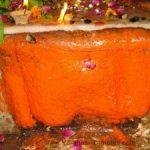
Arun2-300×225, Arun Aditya Temple, Varanasi
Frequently Asked Questions (FAQ)
1. What is the history behind the name “Arun Aditya”?
Arun is the charioteer of Lord Surya (the Sun God) and the personification of dawn. According to the Kashi Khand, Lord Surya blessed Arun here, establishing the site as a powerful location for devotees seeking to dispel the darkness of poverty and misery.
2. Is there a VIP darshan entry available?
As a smaller temple managed by local trustees, the concept of formal VIP darshan is not prominent. However, visiting early in the morning (before 8 AM) ensures a quick and peaceful darshan without waiting in queues.
3. How do I perform an online seva booking for Arun Aditya Temple?
Currently, there is no dedicated app for Arun Aditya Temple. For seva bookings, it is best to contact the temple trust office at the phone number provided or visit the Kashi Vishwanath Temple website for broader seva packages that might include other shrines.
4. What is the significance of the Trilochan Ghat location?
Trilochan Ghat is a historic site believed to be visited by Lord Rama. The name “Trilochan” refers to Lord Shiva (Three-Eyed God). The presence of both Shiva and Surya (Arun) deities here makes it a unique confluence of Shaivism and Saurism.
5. Are there any specific rituals for healing ailments?
Yes, the local tradition holds that offering water (Arghya) to the rising sun from Trilochan Ghat, followed by a darshan of Arun Aditya, is highly effective for curing chronic ailments and improving physical vitality.
Contact Details
Arun Aditya Temple (Trilochan Ghat Complex)
Address: A-2/80, Trilochan Ghat, Varanasi, Uttar Pradesh 221001
Phone: 9236511267
Official Address: Varanasi, Uttar Pradesh, India