
Contents
- 1 Ashadeshwar Temple: The Divine Cleanser of Kashi
- 1.1 1. Introduction & Spiritual Essence
- 1.2 2. Historical Origins & Scriptural Legend
- 1.3 3. Architectural Marvels
- 1.4 Photo Gallery
- 1.5 4. Darshan & Ritual Logistics (2026 Guide)
- 1.6 5. Practical Visitor Guidance
- 1.7 6. Pilgrimage Connectivity
- 1.8 How to Reach:
- 1.9 7. Frequently Asked Questions (FAQ)
- 1.10 Contact Details
Ashadeshwar Temple: The Divine Cleanser of Kashi
Nestled in the spiritual labyrinth of Varanasi (Kashi), the Ashadeshwar Temple stands as a testament to the eternal grace of Lord Shiva. For the 2026 pilgrim navigating the ancient saptapuri, this guide offers a complete roadmap to experiencing the sanctity of one of Kashi’s most revered Jyotirlingas manifestations.
1. Introduction & Spiritual Essence
The Ashadeshwar Temple is dedicated to Ashadeshwar Mahadev, a specific manifestation of Lord Shiva. In the spiritual geography of Varanasi, this murti (idol/lingam) is not merely a stone but a vessel of immense cosmic power.
Phalaśruti: Why Devotees Visit
According to ancient scripture Kashi KhandTeerths (sacred water bodies). The primary spiritual benefit of worshipping here is the cleansing of ancestral karma and accumulated sins.
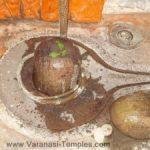
Devotional Significance: It is said that a devotee who performs puja at Ashadeshwar is purified from all sins. The temple houses two distinct Lings:
- The Ancient Ling: Mentioned in the Kashi Khand, located towards the back of the temple.
- The Sanctum Ling: Installed within the last century by noble patrons, serving as the primary focus for daily darshan.
2. Historical Origins & Scriptural Legend
While specific dynasty records for this smaller shrine are sparse, its historical weight comes from the Kashi Khand of the Skanda Purana.
Scriptural Legend
Tradition holds that on a request by Goddess Parvati, Lord Shiva described the various Teerths (sacred ponds/lakes) and deities located in Kashi. Lord Shiva revealed that all Lingas in Kashi possess the divine powers of these Teerths.
“Lord Shiva described the power of Ashadeshwar Ling. A devotee worshipping this Ling is cleansed of all his sins.” — Kashi Khand 97
Renovations
The temple structure reflects a blend of ancient reverence and modern maintenance. While the garbhagriha (sanctum sanctorum) has been renovated over the last century to preserve the ancient lingam, the core sanctity of the site remains untouched, adhering to the traditional agama principles of temple construction.
3. Architectural Marvels
The Ashadeshwar Temple is a compact yet powerful example of the Dravidian architectural style, adapted to the narrow bylanes of Varanasi.
Key Architectural Elements
- Sanctum Sanctorum (Garbhagriha): The inner chamber is designed to hold the ancient lingam, creating an intimate space for sakshaat darshan (direct audience with the deity).
- Exterior Facade: Unlike the towering shikharas of North Indian Nagara style temples, this structure features the pyramidal towers typical of Dravidian design, adapted to local construction materials (stone and brick).
- Sculptural Details: The walls feature intricate carvings depicting scenes from the Skanda Purana, particularly the dialogue between Shiva and Parvati.
Photo Gallery
4. Darshan & Ritual Logistics (2026 Guide)
To ensure a seamless spiritual experience, we have outlined the daily schedule and key rituals. Please note that timings in Kashi can vary slightly during festivals.
Daily Darshan Timings
| Session | Time | Activity |
|---|---|---|
| Morning | 05:00 AM – 09:00 AM | Mangala Arti & Abhishekam |
| Midday | 09:00 AM – 01:00 PM | General Darshan & Archana |
| Evening | 05:30 PM – 09:00 PM | Sandhya Arti & General Darshan |
Key Sevas & Online Booking
Devotees can book specific sevas (ritual services) to deepen their connection with the deity. In 2026, most bookings in Varanasi are digitized.
- Abhishekam: The ritual bathing of the lingam. Best performed during morning hours.
- Rudra Abhishek: A Vedic ritual for specific wish fulfillment.
- Online Booking: While the Ashadeshwar Temple manages smaller rituals locally, larger ceremonies in Varanasi can be booked via the Kashi Vishwanath Temple official portal or trusted local seva providers.
2026 Festival Calendar (Varanasi Specific)
- Shivratri (March 2, 2026): A night of special jagran and continuous chanting. Expect larger crowds.
- Shravan Maas (July – August 2026): The holiest month for Shiva devotees. Mondays are particularly auspicious for darshan.
- Kartik Purnima (November 5, 2026): Illumination of the temple premises.
5. Practical Visitor Guidance
Kashipura is a densely populated residential area. Visitors must respect local customs and prepare for the physical aspects of the pilgrimage.
Dress Code & Etiquette
Dress Code: Traditional Indian attire (Kurta-Pajama, Dhoti, or Saree/Salwar Kameez) is highly recommended. Western attire like shorts or sleeveless tops should be avoided inside the sanctum.
Facilities & Safety
- Photography: Strictly prohibited inside the garbhagriha.
- Mobile Lockers: Large bags and cameras are generally not permitted inside. Public lockers are available near the main entry points to Kashipura.
- Accessibility: Due to the ancient layout, the temple has narrow thresholds. It may not be fully wheelchair accessible.
Crowd Management & Seasonal Advice
- Best Hours: Visit between 10:00 AM and 12:00 PM, or 8:00 PM onwards to avoid the morning rush of local worshippers.
- May/June (Summer): Temperatures exceed 40°C. Carry a water bottle and cover your head.
- Monsoon (July-August): The bylanes can be slippery; wear non-slip footwear.
6. Pilgrimage Connectivity
The temple is located in the heart of the old city, making it accessible via various modes of transport.
How to Reach
- Nearest Airport: Lal Bahadur Shastri International Airport (LBS) Varanasi (approx. 25 km).
- Nearest Railway Station: Varanasi Junction (approx. 5 km) or Kashi Vishwanath Temple (Kashi Dham) Station.
- Road Access (NH): The temple is accessible via NH-19. Once in the city, traffic is restricted for non-residents near the core zone.
Local Approach (Rickshaw/Pedestrian)
- Starting Point: Head towards the Dashashwamedh Ghat area.
- Route: People can travel almost up to this place by rickshaw through a place called Lohatia.
- Alternative Route: Approach through Jyestha Gauri. Cross Bhoot Bhairav and take a left turn to reach the place.
How to Reach:
The temple is located at K.63/53, Kashipura. People can travel almost upto this place by rickshaw through a place called Lohatia. Another approach is through Jyestha Gauri where people can cross Bhoot Bhairav and take a left turn to reach this place. It is advisable to combine visit of this temple alongwith darshan of other deities in the vicinity.
Nearby Sacred Sites
Enhance your pilgrimage by visiting these nearby tirthas:
- Bhoot Bhairav: Located just a short walk away, this fierce form of Shiva is a guardian of the Kashi Vishwanath Temple.
- Jyestha Gauri Temple: Dedicated to the elder form of Goddess Gauri (Parvati), located in the same neighborhood.
- Kashi Vishwanath Temple: The primary destination of Varanasi, accessible by a short rickshaw ride.
7. Frequently Asked Questions (FAQ)
1. Is there a VIP Darshan entry at Ashadeshwar Temple?
As a smaller, community-maintained shrine, there is no official VIP entry system like the larger Kashi Vishwanath Corridor. However, visiting during non-peak hours (early morning or late night) offers a VIP-like experience with zero wait times.
2. What is the difference between the two Lings here?
The ancient Ling mentioned in the Kashi Khand is located at the back of the temple and holds historical significance. The Ling in the sanctum is a more recent installation used for daily puja and abhishekam. Devotees offer prayers to both.
3. Can I perform a Rudra Abhishek on a weekday?
Yes, Rudra Abhishek is generally permitted on all days except during specific festival periods. It is best to contact the local pujari at the temple entrance or arrange it through a local Varanasi seva provider.
4. Is the temple open on Mondays?
Yes, and Monday is the most auspicious day for Lord Shiva. However, expect a higher influx of devotees on Mondays, particularly in the morning.
5. What is the appropriate offering (Prasad) for Ashadeshwar?
Traditionally, Bel leaves (Bilva Patra), milk, honey, and Madhushtub (honey) are accepted. White items like milk or yogurt are considered highly auspicious for cleansing sins.
Contact Details
Official Address
Recent Posts

ओ सांवरे तूने ही मुझको संभाला – Lyrics & Meaning
ओ सांवरे तूने ही मुझको संभाला – A Prayer to Shyam Origin & Spiritual Essence Why This Bhajan Resonates Devotees chant this when overwhelmed by life’s storms—the refrain ‘तूने ही मुझको संभाला’ is the soul’s sigh of relief: “You…

कथा ये है महाराज मेरे की – Lyrics & Meaning
कथा ये है महाराज मेरे की छत्रपति संभाजी महाराज – A Prayer to Chhatrapati Sambhaji Maharaj Origin & Spiritual Essence Why This Bhajan Resonates Devotees chant this when their spirit feels tested—its powerful refrain “महाराज मेरे” is a soul’s…

Rigveda Samhita Yathartha Anuvada (ऋग्वेद संहिता यथार्थ अनुवाद) – Complete Set with Anvayartha & Hindi/English Translation
The Rigveda is the oldest surviving scripture of humanity and the foundational text of Sanātana Dharma. For serious students, scholars, UPSC aspirants studying ancient Indian history, Sanskrit learners, and spiritual seekers, a precise and grammatically structured translation is indispensable.…

आना भी अकेला है जाना भी अकेला है – Lyrics & Meaning | BharatTemples
आना भी अकेला है जाना भी अकेला है – A Prayer to the Divine Witness Origin & Spiritual Essence Why This Bhajan Resonates Devotees turn to this bhajan in moments of deep reflection—when life’s attachments begin to ache. The…

माता शेरावाली के द्वार जो भी जाता है – Lyrics & Meaning
माता शेरावाली के द्वार जो भी जाता है – A Prayer to Maa Sherawali Origin & Spiritual Essence Why This Bhajan Resonates Devotees turn to this bhajan in times of fear or uncertainty—its promise that no one leaves Maa’s…

मार लेना सपणी उबार लेणा भवरा – Lyrics & Meaning
मार लेना सपणी उबार लेणा भवरा – A Prayer to the Divine Beloved Origin & Spiritual Essence Why This Bhajan Resonates Devotees chant this in moments of deep vulnerability—its cry of “मार लेना सपणी, उबार लेणा भवरा” is the…

हमें श्याम सुंदर भरोसा तुम्हारा – Lyrics & Meaning
हमें श्याम सुंदर भरोसा तुम्हारा – A Prayer to Shyam Sundar Origin & Spiritual Essence Why This Bhajan Resonates Devotees chant this when feeling alone—its refrain ‘de do sahara’ is the soul’s cry for divine support. Lyrics in Hindi…

Mere Satguru Ne Di Thi Davai Lyrics in Hindi & Meaning
Mere Satguru Ne Di Thi Davai: Invoking the Guru’s Liberating Wisdom This soul-stirring bhajan venerates the Satguru (True Spiritual Master) as the divine physician who dispenses the only remedy for life’s deepest sufferings. Composed by Sant Karmaveer Tufani, it…

Janm Diyo Thari Maa Dukh Dekhiyo Lyrics in Hindi & Meaning
जन्म दियो थारी माँ दुख देखियो (Maa’s Grief Upon Birthing You) This soul-stirring Chetavani Bhajan (admonitory hymn) is addressed to the Divine Mother (Maa) – a call for repentance when children forget their filial duties in the dark age…
Bhadi Sabha Mein Thane Manaun Lyrics in Hindi & Meaning
Bhadi Sabha Mein Thane Manaun: Invoking the Spear-Wielding Mother Mata Bhawani (श्री ज्वाला भवानी), the fiery manifestation of Shakti worshipped as the Protector of Dharma in Her Dhaulagarh sanctum. Origin & Spiritual Essence Composed in Rajasthani folk tradition by…