
Contents
Introduction & Spiritual Essence
Nestled in the spiritual labyrinth of Kashi (Varanasi), the Hayakanti Devi Temple is a powerful Shakti Peetha dedicated to Goddess Hayakanti Devi, a fierce manifestation of Maa Durga. Known locally near the Kali Mutt area of Lakshmi Kund, this temple is a beacon for devotees seeking removal of life’s obstacles.
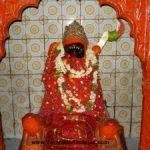
Deity & Form: The presiding deity is Hayakanti Devi, depicted with a radiant face (Sanskrit: Haya meaning horse, Kanti meaning splendor or face—though local lore varies, some interpretations link it to a horse-faced form or simply a face as radiant as the sun). The idol is considered a Swayambhu (self-manifested) Murti radiating immense spiritual energy.
Phalaśruti: The Benefits of Devotion
According to local tradition and the Phalaśruti (scriptural benefits) associated with the deity:
- Removal of Obstacles: Just as plants and trees are felled with a sickle, the Goddess cuts through the obstacles blocking a devotee’s path to success.
- Prosperity & Peace: A person who worships Hayakanti Devi with sincerity is said to see all troubles in their smooth life disappear, inviting prosperity.
- Karmic Cleansing: Worshipping in Kashi is believed to cleanse ancestral karma, and this specific shrine offers protection against negative planetary influences.
Historical Origins & Scriptural Legend
Historical Timeline: While specific historical records regarding the exact century of construction are sparse, the temple aligns with the traditional Dravidian architectural style common in South Indian-influenced temples of Varanasi. The temple has been maintained by local priests for generations, with renovations occurring periodically to preserve the sanctity of the inner sanctum (Garbhagriha).
The Sthala Purana
Tradition holds that the temple’s origins are deeply rooted in the local oral history of Lakshmi Kund. In Kashi, every deity is believed to be a guardian of a specific Kund (water tank) or locality. Hayakanti Devi is the protector of this neighborhood, specifically invoked to dismantle the ego and material attachments that hinder spiritual progress. The deity is often associated with the fierce aspect of the divine, yet benevolent to her devotees.
Architectural Marvels
The Hayakanti Devi Temple is a classic example of Dravidian architecture transplanted into the holy city of Kashi. Unlike the curvilinear shikharas of North Indian temples, this shrine features:
- Pyramidal Towers: The temple tower rises in a distinct stepped fashion, typical of the Dravidian style.
- Garbhagriha & Mandapa: The inner sanctum houses the Hayakanti Devi Murti, enveloped in silver and gold plating. The Mandapa (hall) is designed to allow light to filter through intricately carved pillars, creating a divine ambiance.
- Sculptural Details: The exterior walls feature carvings of various deities and mythological scenes, though the focus remains on the powerful presence of the main deity.
Note: While not a UNESCO site, the temple is a vital part of Varanasi’s protected heritage due to its unique Dravidian footprint in the Ganges plains.
Darshan & Ritual Logistics
The rituals at Hayakanti Devi Temple follow the Vedic traditions, emphasizing Bhakti (devotion) and purity.
Daily Timings
Timings are subject to seasonal changes and temple committee announcements.
| Period | Opening Time | Closing Time |
|---|---|---|
| Morning Darshan | 06:00 AM | 12:00 PM |
| Afternoon Break | 12:00 PM | 04:00 PM |
| Evening Darshan | 04:00 PM | 09:00 PM |
Key Sevas & Online Booking
Devotees can perform various Sevas (offerings) to seek the Goddess’s blessings:
- Abhishekam: Ritual bathing of the deity with milk, honey, and ghee. Performed at 7:00 AM and 6:00 PM.
- Archana: Individual prayer rituals with name and star (Nakshatra). Available throughout the day.
- Special Navratri Pujas: During the nine nights of Navratri.
Online Booking: Devotees can book specific Sevas through the official Varanasi temple trust portal or visit the temple counter upon arrival. ID proof is required for bookings.
Practical Visitor Guidance
To ensure a smooth and respectful visit to Hayakanti Devi Temple:
- Dress Code: Traditional attire is highly encouraged (dhoti/kurta for men, saree/salwar kameez for women). Avoid shorts and sleeveless tops.
- Photography: Photography is strictly prohibited inside the inner sanctum (Garbhagriha). Mobile phones must be switched to silent mode.
- Accessibility: The temple is located in a crowded market area (Kali Mutt). It is not wheelchair accessible due to narrow lanes and stairs.
- Crowd Management:
- Best Hours: Early morning (6 AM – 8 AM) or late evening (8 PM onwards) for a peaceful Darshan.
- Seasonal Advice: Varanasi summers (May-June) are extremely hot. Carry a water bottle and a head covering.
Pilgrimage Connectivity
The temple is situated in the heart of Varanasi, making it accessible via various modes of transport.
How to Reach
- By Air: Lal Bahadur Shastri International Airport (VNS) is approx. 25 km away. Taxis and cabs are readily available.
- By Rail: Varanasi Junction (BSB) is approx. 5 km away. Rickshaws are the most convenient mode to reach Kali Mutt.
- By Road: Located near Luxa Road. The nearest major highway is NH-19 (Grand Trunk Road). Auto-rickshaws can navigate the narrow lanes leading to the temple entrance.
Nearby Sacred Sites
Expand your pilgrimage by visiting these nearby temples:
- Kali Ghat Temple: Located very close by, dedicated to Goddess Kali.
- Manikarnika Ghat: The sacred cremation ghat, just a short walk away.
- Sankat Mochan Hanuman Temple: A 15-minute drive, famous for alleviating troubles.
Frequently Asked Questions (FAQ)
1. Is there a VIP darshan entry?
While there is no specific VIP quota like in Tirupati, the temple committee sometimes offers priority access for elderly devotees or those with medical needs. It is best to consult the head priest (Pandit) upon arrival.
2. What is the best time of year to visit Hayakanti Devi Temple?
The most spiritually vibrant time is during Navratri (March/April and September/October). However, for comfortable weather, October to March is ideal.
3. Are there food facilities available?
The temple does not run a massive community kitchen, but small stalls offering Prasad (holy offering) and sweets are available outside. For a full meal, several vegetarian restaurants operate on Luxa Road.
4. Is there parking available?
Parking is extremely limited near the temple due to the narrow lanes of Kali Mutt. It is highly recommended to take an auto-rickshaw or taxi to the nearest drop-off point and walk the remaining distance.
5. What is the significance of the name ‘Hayakanti’?
While some texts suggest a connection to a horse-faced form, the core meaning in local devotion revolves around the Goddess being ‘One who destroys obstacles,’ cutting through life’s difficulties as a sickle cuts grass.
Photo Gallery
Contact Details
Official Address:
Hayakanti Devi Temple
D.52/35, Kali Mutt, Lakshmi Kund
Varanasi, Uttar Pradesh 221001
Note: Phone numbers for local shrines can vary. It is recommended to visit the temple office or the Varanasi temple administration for the most current contact information.
Conclusion
The Hayakanti Devi Temple offers a profound spiritual experience, connecting devotees to the fierce yet benevolent energy of the Divine Mother. Whether seeking the removal of obstacles or simply soaking in the ancient vibrations of Kashi, a visit to this shrine is an essential part of any Varanasi pilgrimage.
Recent Posts

ओ सांवरे तूने ही मुझको संभाला – Lyrics & Meaning
ओ सांवरे तूने ही मुझको संभाला – A Prayer to Shyam Origin & Spiritual Essence Why This Bhajan Resonates Devotees chant this when overwhelmed by life’s storms—the refrain ‘तूने ही मुझको संभाला’ is the soul’s sigh of relief: “You…

कथा ये है महाराज मेरे की – Lyrics & Meaning
कथा ये है महाराज मेरे की छत्रपति संभाजी महाराज – A Prayer to Chhatrapati Sambhaji Maharaj Origin & Spiritual Essence Why This Bhajan Resonates Devotees chant this when their spirit feels tested—its powerful refrain “महाराज मेरे” is a soul’s…

Rigveda Samhita Yathartha Anuvada (ऋग्वेद संहिता यथार्थ अनुवाद) – Complete Set with Anvayartha & Hindi/English Translation
The Rigveda is the oldest surviving scripture of humanity and the foundational text of Sanātana Dharma. For serious students, scholars, UPSC aspirants studying ancient Indian history, Sanskrit learners, and spiritual seekers, a precise and grammatically structured translation is indispensable.…

आना भी अकेला है जाना भी अकेला है – Lyrics & Meaning | BharatTemples
आना भी अकेला है जाना भी अकेला है – A Prayer to the Divine Witness Origin & Spiritual Essence Why This Bhajan Resonates Devotees turn to this bhajan in moments of deep reflection—when life’s attachments begin to ache. The…

माता शेरावाली के द्वार जो भी जाता है – Lyrics & Meaning
माता शेरावाली के द्वार जो भी जाता है – A Prayer to Maa Sherawali Origin & Spiritual Essence Why This Bhajan Resonates Devotees turn to this bhajan in times of fear or uncertainty—its promise that no one leaves Maa’s…

मार लेना सपणी उबार लेणा भवरा – Lyrics & Meaning
मार लेना सपणी उबार लेणा भवरा – A Prayer to the Divine Beloved Origin & Spiritual Essence Why This Bhajan Resonates Devotees chant this in moments of deep vulnerability—its cry of “मार लेना सपणी, उबार लेणा भवरा” is the…

हमें श्याम सुंदर भरोसा तुम्हारा – Lyrics & Meaning
हमें श्याम सुंदर भरोसा तुम्हारा – A Prayer to Shyam Sundar Origin & Spiritual Essence Why This Bhajan Resonates Devotees chant this when feeling alone—its refrain ‘de do sahara’ is the soul’s cry for divine support. Lyrics in Hindi…

Mere Satguru Ne Di Thi Davai Lyrics in Hindi & Meaning
Mere Satguru Ne Di Thi Davai: Invoking the Guru’s Liberating Wisdom This soul-stirring bhajan venerates the Satguru (True Spiritual Master) as the divine physician who dispenses the only remedy for life’s deepest sufferings. Composed by Sant Karmaveer Tufani, it…

Janm Diyo Thari Maa Dukh Dekhiyo Lyrics in Hindi & Meaning
जन्म दियो थारी माँ दुख देखियो (Maa’s Grief Upon Birthing You) This soul-stirring Chetavani Bhajan (admonitory hymn) is addressed to the Divine Mother (Maa) – a call for repentance when children forget their filial duties in the dark age…
Bhadi Sabha Mein Thane Manaun Lyrics in Hindi & Meaning
Bhadi Sabha Mein Thane Manaun: Invoking the Spear-Wielding Mother Mata Bhawani (श्री ज्वाला भवानी), the fiery manifestation of Shakti worshipped as the Protector of Dharma in Her Dhaulagarh sanctum. Origin & Spiritual Essence Composed in Rajasthani folk tradition by…