Bhagavad Gita: Chapter 1, Verse 20
Receive daily temple updates, divine darshan, and morning bhajans directly on WhatsApp.
Contents
- 1 अथ व्यवस्थितान्दृष्ट्वा धार्तराष्ट्रान् कपिध्वज: |
- 2 प्रवृत्ते शस्त्रसम्पाते धनुरुद्यम्य पाण्डव: |
- 3 हृषीकेशं तदा वाक्यमिदमाह महीपते ||20||
- 4 भावार्थ:
- 5 Translation
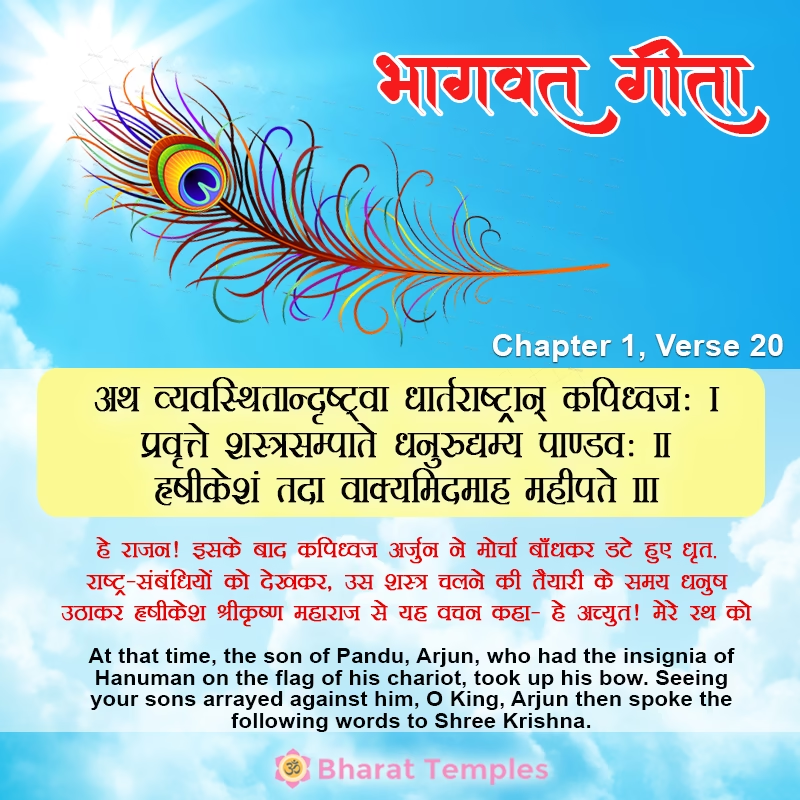
अथ व्यवस्थितान्दृष्ट्वा धार्तराष्ट्रान् कपिध्वज: |
प्रवृत्ते शस्त्रसम्पाते धनुरुद्यम्य पाण्डव: |
हृषीकेशं तदा वाक्यमिदमाह महीपते ||20||
atha vyavasthitān dṛiṣhṭvā dhārtarāṣhṭrān kapi-dhwajaḥ
pravṛitte śhastra-sampāte dhanurudyamya pāṇḍavaḥ
hṛiṣhīkeśhaṁ tadā vākyam idam āha mahī-pate
भावार्थ:
हे राजन्! इसके बाद कपिध्वज अर्जुन ने मोर्चा बाँधकर डटे हुए धृतराष्ट्र-संबंधियों को देखकर, उस शस्त्र चलने की तैयारी के समय धनुष उठाकर हृषीकेश श्रीकृष्ण महाराज से यह वचन कहा- हे अच्युत! मेरे रथ को दोनों सेनाओं के बीच में खड़ा कीजिए॥20-21॥
Translation
At that time, the son of Pandu, Arjun, who had the insignia of Hanuman on the flag of his chariot, took up his bow. Seeing your sons arrayed against him, O King, Arjun then spoke the following words to Shree Krishna.
English Translation Of Sri Shankaracharya’s Sanskrit Commentary By Swami Gambirananda
1.20 Sri Sankaracharya did not comment on this sloka. The commentary starts from 2.10.
📖 Related: Bhagavad Gita: Chapter 1, Verse 37