Bomdila Monastery Arunachal Pradesh
Receive daily temple updates, divine darshan, and morning bhajans directly on WhatsApp.
Contents
- 1 Getting There
- 2 Things to Do & See in and around
- 3 Best Time to Visit
- 4 Architecture
- 5 Legend / Local stories
- 6 Photo Gallery
- 7 How to Reach:
- 8 Address
- 9 Contact Details
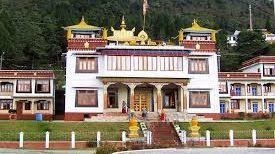
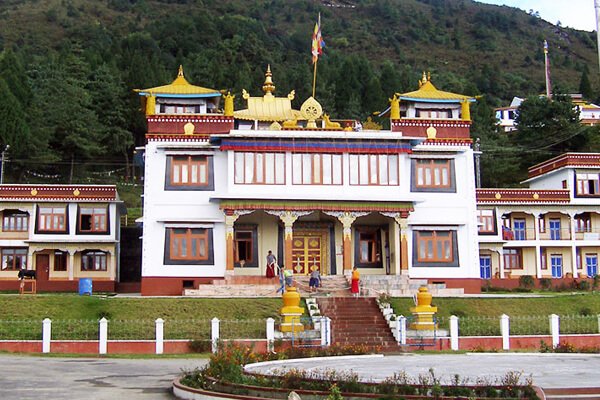
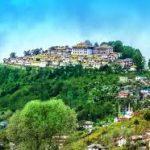
Also known as Gentse Gaden Rabgyel Lling monastery, Bombdila monastery was built in 1965 by the twelfth incarnation of the TsonaGontse Rinpoche. And was rebuilt by the thirteenth reincarnation, TsonaGontseRinponche renovated the monastery by building a larger prayer hall. Inside the Gompa, there’s a huge prayer, which is used by the lamas for praying; the temple of Buddha, and a tiny quarter of monks. Apart from its religious significance, the monastery is also known for its natural beauty. Stunning vistas that you can see from here are fabulous and breathtaking.
Getting There
To reach Bomdila Monastery, you can find taxis from anywhere in the city.
Things to Do & See in and around
Craft Centre, Tipi, and Bhalukpong are some of the places that you can plan to visit over a trip to Bomdila Monastery.
Best Time to Visit
The best time to plan a visit to plan a visit to the monastery will be during the Losar Festival, which is commemorated to mark the new year.
Saka Dew, which is held in the fourth month of the lunar calendar that marks the day of the Buddha’s enlightenment is also a good time to plan a visit.
Architecture
Legend / Local stories
Photo Gallery
Bomdila-Monastery-Arunachal-Pradesh3
Bomdila-Monastery-Arunachal-Pradesh4
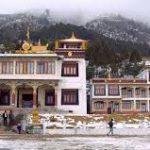
Bomdila-Monastery-Arunachal-Pradesh1
How to Reach:
Address
Contact Details
📖 Related: Malinithan Temple: History, Darshan Timings & Complete Guide